
Egypt Along With Morocco and Other Countries Is in a Massive Race to Boost African Tourism Through New Investment in the Hotel and Hospitality Sector in 2026
Egypt Along With Morocco and Other Countries Is in a Massive Race to Boost African Tourism Through New Investment in the Hotel and Hospitality Sector in 2026

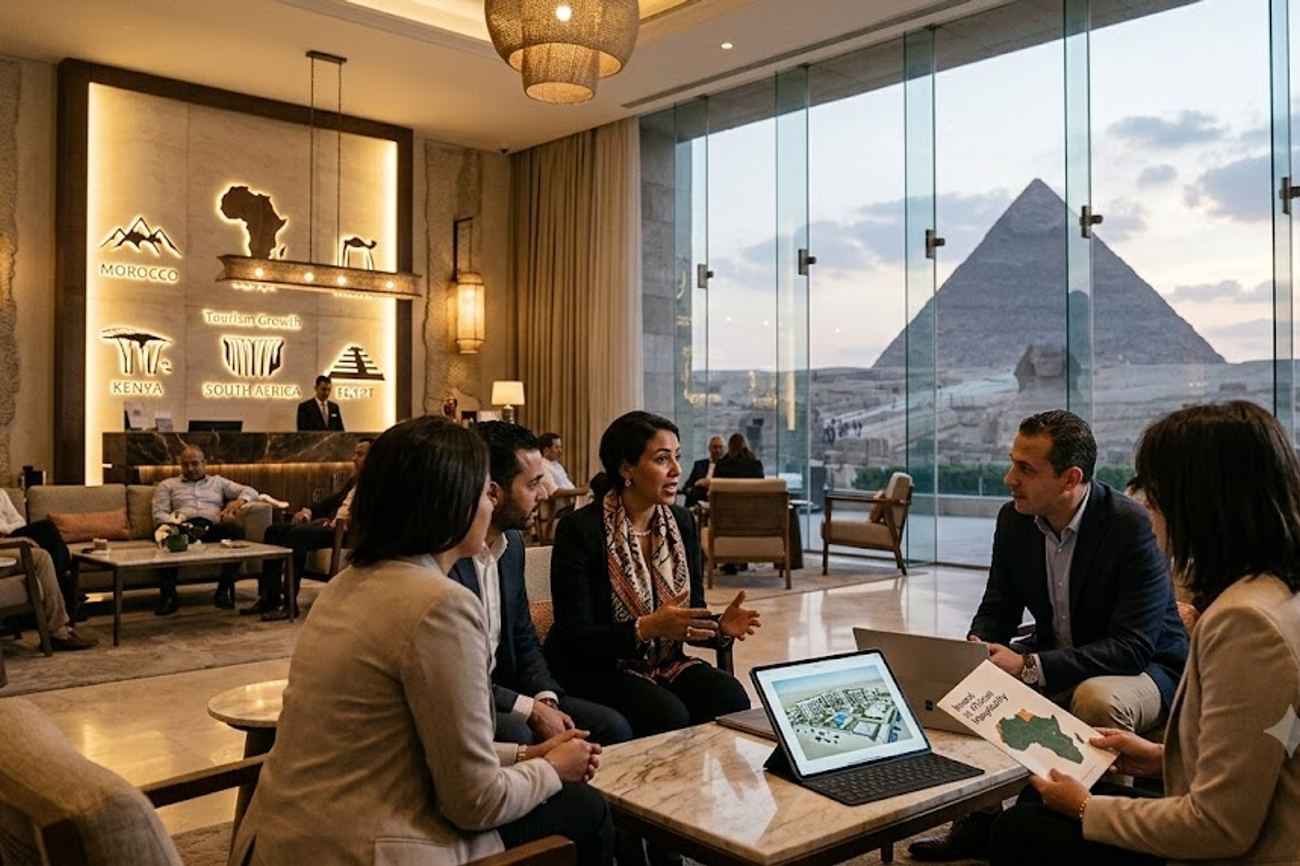
Image generated by AI
[Cairo, October 2023] — Egypt is leading a massive surge in African hospitality investment, anchoring a continental hotel pipeline that has reached a record 123,846 rooms across 675 hotels and resorts. This expansion represents an 18.6% year-on-year growth rate, signaling a strategic race between North and East African nations to capture rising international demand for luxury, business, and cultural tourism.
The growth is heavily concentrated, with approximately 79% of all pipeline rooms located within the ten largest country markets. According to research from the W Hospitality Group, more than 65,000 of these rooms are projected to open shortly, fundamentally altering the accommodation capacity of several primary tourism hubs. While Egypt dominates the volume of new projects, Morocco is scaling up for global sporting events, and Kenya and Ethiopia are converting a high percentage of their planned developments into active construction sites.
The Catalyst for Continental Expansion
The current boom is driven by a shift toward diversified tourism engines. Rather than relying on a single sector, nations are investing in a mix of MICE (Meetings, Incentives, Conferences, and Exhibitions), high-end leisure, and diplomatic travel.
In Egypt, the catalyst is a combination of massive infrastructure projects and the cultural draw of the Grand Egyptian Museum, which is stimulating growth in Cairo and Giza. Meanwhile, Morocco is leveraging its status as a co-host for the 2030 FIFA World Cup to attract upscale and luxury international brands. In East Africa, the growth is more pragmatic; Nairobi and Addis Ababa are positioning themselves as the corporate and diplomatic gateways to the continent, focusing on functional, high-tech business facilities over traditional leisure resorts.
Markets Under Development
The scale of investment varies significantly by region, with some markets focusing on volume and others on the speed of delivery.
| Country | Pipeline Rooms | Key Drivers | Primary Hubs |
|---|---|---|---|
| Egypt | 45,984 | Culture, Luxury, Red Sea Resorts | Cairo, Giza, Ras El Hekma |
| Morocco | 10,606 | 2030 World Cup, European Transit | Marrakech, Rabat, Casablanca, Fès |
| Kenya | High Construction Rate | Corporate, MICE, Safari | Nairobi (e.g., The Gama, Kilimani) |
| Ethiopia | High Construction Rate | Diplomatic, AU Headquarters | Addis Ababa |
| South Africa | Diversified Growth | High-Value Safari, Urban MICE | Cape Town, Johannesburg, Durban |
Egypt: The Volume Leader
Egypt is operating on a scale unmatched by its neighbors, with 185 active projects. Cairo alone accounts for more than 22,000 of the planned rooms. Beyond the capital, investment is flowing into coastal regions like Ras El Hekma to target the luxury leisure segment. This strategy ensures the country remains resilient by spreading demand across ancient heritage sites, Red Sea beaches, and urban business centers.
Morocco: The Strategic Pivot
With 10,606 rooms in the pipeline, Morocco holds the second-largest development volume on the continent. The focus here is the restoration of heritage properties and the introduction of new international brands. The proximity to Europe and expanding aviation connectivity through Office National Marocain du Tourisme make it a primary target for short-haul luxury travelers and corporate visitors.
Kenya and Ethiopia: The Construction Sprint
Unlike markets that rely on long-term projections, Kenya and Ethiopia are moving rapidly from planning to physical builds. In both nations, approximately 80% of pipeline rooms are already under construction.
- Kenya: Nairobi is the epicenter, with a focus on corporate infrastructure. New developments, such as the 155-room Gama in Kilimani, are integrating rooftop venues and advanced meeting technology to attract MICE travelers.
- Ethiopia: Investment is centered on Addis Ababa's role as a diplomatic hub. A significant $80 million investment involving the International Finance Corporation (IFC) is driving the refurbishment of the 294-room Sheraton Addis, alongside a planned 200-room luxury hotel and private villas.
South Africa: The Diversification Model
South Africa is balancing urban corporate demand with high-value wilderness tourism. The establishment of Aleph Hospitality’s regional headquarters in Cape Town underscores the city's importance. Development is split between the metropolitan hubs of Johannesburg and Durban and the high-spending safari ecosystems surrounding the Kruger National Park.
Practical Traveler Advisory and Strategic Insights
For the average traveler or business nomad, this investment surge translates to a fundamental change in available options and pricing dynamics starting in 2026.
1. Increased Luxury Inventory The proliferation of branded luxury hotels in Cairo, Marrakech, and Nairobi means travelers will have more consistent, high-standard options. The "heritage" focus in Morocco specifically means more boutique, high-end experiences in restored historic buildings.
2. Better Business Infrastructure For those traveling for work, the focus on MICE in Nairobi and Addis Ababa means better connectivity, larger conference facilities, and more sophisticated "bleisure" (business + leisure) amenities, such as rooftop venues and integrated tech hubs.
3. Price Competition and Availability The massive influx of rooms—particularly the 45,984 in Egypt—will likely lead to increased competition among hotel operators. While luxury tiers will remain expensive, the sheer volume of new inventory may stabilize prices for mid-to-high-end accommodations during peak seasons.
4. New Destination Hubs Travelers should look beyond the traditional capitals. The development of Ras El Hekma in Egypt and the expanded safari lodges in South Africa indicate that high-end infrastructure is moving into previously underdeveloped coastal and wilderness areas.
The 2026-2030 Timeline
The immediate focus is the 2026 window, where a significant portion of the 65,000 projected rooms will enter the market. However, the long-term trajectory is aimed at 2030. Morocco's infrastructure build-out is specifically timed to peak for the FIFA World Cup, meaning travelers can expect a surge in aviation capacity and transport links between Rabat, Casablanca, and Marrakech over the next seven years.
In East Africa, the trend is toward "diplomatic luxury." As Addis Ababa continues to grow as the political heart of the African Union, the hospitality sector will continue to pivot toward high-security, high-service villas and corporate suites.
FAQ: Africa Hotel Boom 2026
Will there be more hotel options in Egypt by 2026? Yes. With nearly 46,000 rooms in the pipeline and over 22,000 specifically in Cairo, travelers will see a massive increase in both luxury and business accommodation, particularly around Giza and the Red Sea.
How is the 2030 World Cup affecting Morocco's hotels? Morocco is aggressively expanding its upscale and luxury inventory to handle the expected surge in international visitors, focusing on heritage restoration and new international brand entries in major cities.
Are there new business travel facilities in East Africa? Yes. Nairobi and Addis Ababa are seeing a surge in MICE-focused hotels. Approximately 80% of their planned rooms are already under construction, featuring advanced meeting tech and corporate event spaces.
Where is the best place for luxury safari accommodation? While Kenya remains a leader, South Africa is seeing significant new investment in high-value wilderness products, particularly within the Kruger tourism ecosystem.
Africa is no longer just building hotels; it is constructing a global tourism powerhouse.
Related Travel Guides
- Thailand Unveils Suan Dusit Arun Success as Bangkok’s Largest Rooftop Park Welcomes Thousands of Visitors
- China’s Chongming Island Unleashes Powerful Rural Tourism Wave With Grand Festival, Culture And Nature Wonders
- Greece Tourism Surges As Foreign Visitors Power July 2026 Growth With 31.7 Million Overnight Stays Across Destinations
Disclaimer
This article is for informational and educational purposes only. It does not constitute legal, financial, or professional advice. While we strive to provide accurate and up-to-date information, travel policies, regulations, and conditions change rapidly. Always verify information with official sources before making travel decisions. Nomad Lawyer makes no representations about the accuracy, reliability, completeness, or suitability of the information provided. Readers should consult qualified professionals for advice specific to their circumstances. The views expressed in this article are those of the author and do not necessarily reflect the views of Nomad Lawyer.
Preeti Gunjan
Contributor & Community Manager
A passionate traveller and community builder. Preeti helps grow the Nomad Lawyer community, fostering engagement and bringing the reader experience to life.
Learn more about our team →