
Ecuador Megadiverse Tourism Expansion 2026: Quito and Galápagos Lead Biodiversity Growth
Ecuador strengthens its position as a global megadiverse hub in 2026, leveraging strategic gateways in Quito and Puerto Ayora to connect travelers with four distinct ecosystems.

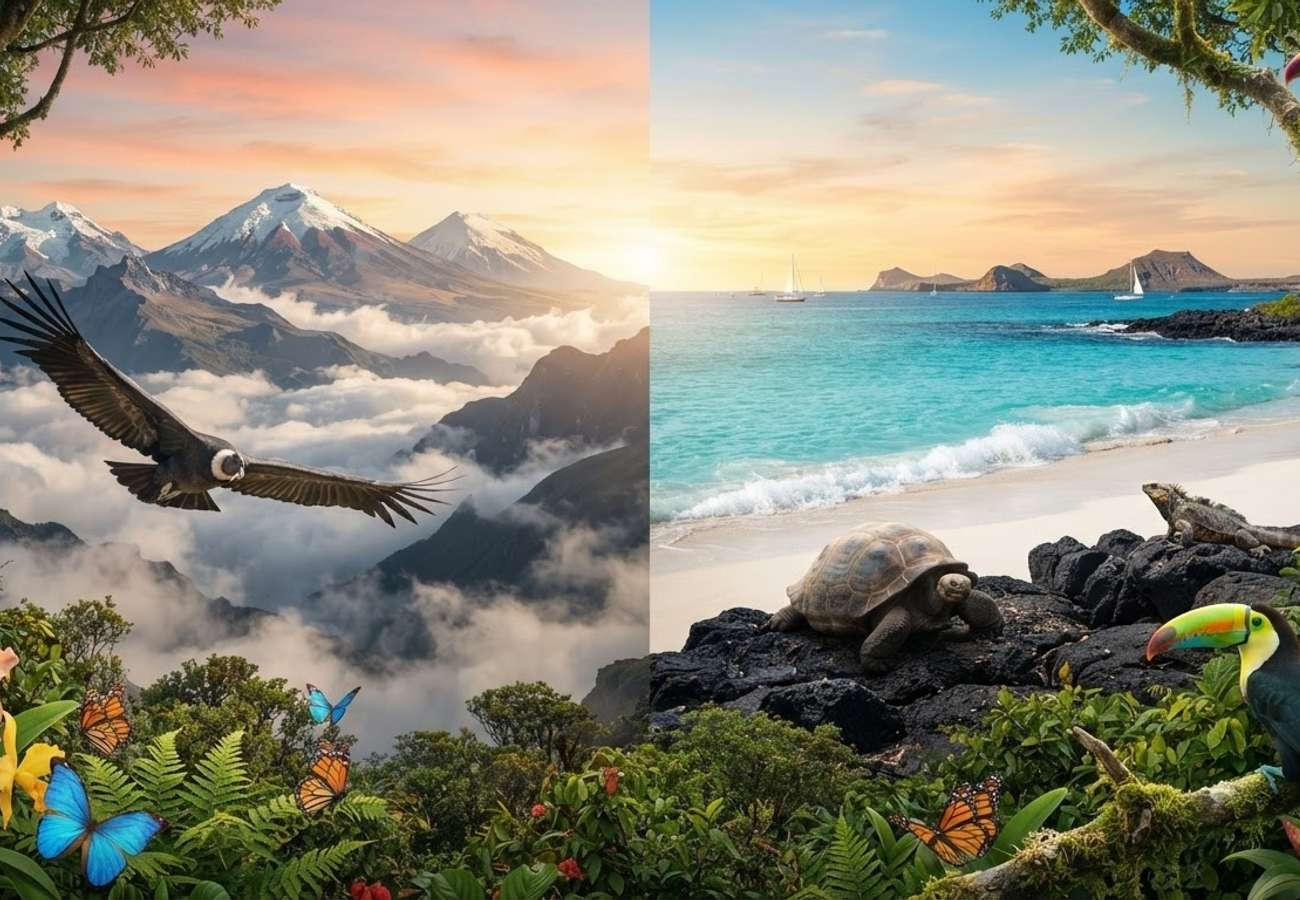
Image generated by AI
Ecuador has solidified its status as one of the world's 17 megadiverse nations in 2026. The country is currently seeing a strategic shift as urban centers evolve into specialized gateways for the Andes, Amazon, Pacific coast, and Galápagos ecosystems.
Our analysis indicates that travelers are moving away from traditional sightseeing in favor of biodiversity-focused itineraries. This trend is driving significant growth in cities that provide direct access to cloud forests, marine reserves, and high-altitude volcanic landscapes.
Regional Biodiversity Hubs and Strategic Gateways
The 2026 tourism landscape in Ecuador is defined by specific cities acting as operational bases for nature-oriented travel. The following breakdown identifies the primary hubs and their ecological significance.
| City / Destination | Region | Primary Biodiversity Appeal | Key Wildlife & Attractions | 2026 Growth Driver |
|---|---|---|---|---|
| Quito | Andes | Multi-ecosystem gateway | Andean condors, spectacled bears, Chocó Andino | Urban heritage paired with rapid access to high-altitude reserves. |
| Puerto Ayora | Galápagos | Evolutionary tourism | Giant tortoises, marine iguanas, Darwin's finches | High demand for rare endemic species and conservation education. |
| Tena | Amazon | Rainforest adventure | Monkeys, toucans, Napo River basin | Shift toward immersive, community-based indigenous tourism. |
| Mindo | Cloud Forest | Specialized birdwatching | Rare orchids, butterflies, Chocó-Andean ecosystem | Increased demand for short-duration nature escapes from Quito. |
| Cuenca | Southern Andes | Mountain ecosystems | Cajas National Park, Andean lakes, llamas | Rise of "slow travel" combining heritage with protected landscapes. |
| Baños | Andes-Amazon | Transitional biodiversity | Llanganates National Park, waterfalls | Growth in "soft-adventure" tourism between mountains and jungle. |
| Guayaquil | Pacific Coast | Coastal/Marine gateway | Mangroves, Cerro Blanco Protected Forest | Critical arrival hub for coastal and Galápagos routes. |
| Loja | Southern Andes | Conservation focus | Podocarpus National Park, endemic plants | Appeal to specialized ecological researchers and botanists. |
| Riobamba | Central Andes | Highland biodiversity | Chimborazo Wildlife Reserve, vicuñas | Increased interest in high-altitude conservation landscapes. |
| Esmeraldas | Northern Coast | Tropical/Coastal mix | Cotacachi-Cayapas Reserve, mangroves | Unique intersection of rainforest and Afro-Ecuadorian culture. |
| Macas | Amazon | Emerging wilderness | Sangay National Park, jaguars | Demand for non-commercialized Amazonian experiences. |
Passenger Rights & Advisory for Eco-Tourists
For the affected passenger or traveler planning a biodiversity circuit in 2026, the complexity of moving between these diverse regions requires specific legal and logistical awareness.
Transport and Rebooking Rights Travelers utilizing domestic flights to reach hubs like Puerto Ayora or Tena should be aware that regional aviation in Ecuador is subject to weather-related disruptions. Our analysis of regional policies suggests:
- Flight Cancellations: If a domestic flight is canceled due to technical faults, passengers are generally entitled to rebooking or a refund. However, "force majeure" (such as volcanic ash from the Andes) often exempts carriers from compensation.
- Galápagos Entry: Entry to Puerto Ayora requires a Transit Control Card (TCT) and a National Park entrance fee. Failure to secure these prior to arrival can lead to boarding denials at Guayaquil or Quito.
Sustainable Travel Compliance The 2026 shift toward "responsible tourism" means stricter enforcement of environmental laws. Travelers should note:
- Wildlife Interaction: Strict penalties apply for touching or feeding endemic species in the Galápagos and Amazon reserves.
- Permit Requirements: Access to reserves like Podocarpus or Sangay National Park may require pre-approved permits. We advise travelers to verify these through official ministry channels to avoid entry denials.
The evolution of Ecuador into a "megadiverse tourism nation" is a calculated move to diversify its economic reliance. By positioning cities like Quito and Puerto Ayora not just as destinations, but as gateways, Ecuador is optimizing the flow of high-spending, low-impact eco-tourists.
The integration of community-based tourism in Tena and Macas is particularly noteworthy. This model shifts the economic benefit from large tour operators to local indigenous populations, which is a key requirement for maintaining the "sustainable" label in the 2026 global travel market. The primary challenge remaining is the infrastructure gap between the high-traffic Galápagos routes and the emerging southern Andean hubs like Loja.
Ecuador's strategic pivot toward biodiversity-led growth positions it as a primary competitor in the global sustainable travel sector.
Related Travel Guides
Disclaimer
This article is for informational and educational purposes only. It does not constitute legal, financial, or professional advice. While we strive to provide accurate and up-to-date information, travel policies, regulations, and conditions change rapidly. Always verify information with official sources before making travel decisions. Nomad Lawyer makes no representations about the accuracy, reliability, completeness, or suitability of the information provided. Readers should consult qualified professionals for advice specific to their circumstances. The views expressed in this article are those of the author and do not necessarily reflect the views of Nomad Lawyer.
Kunal K Choudhary
Co-Founder & Contributor
A passionate traveller and tech enthusiast. Kunal contributes to the vision and growth of Nomad Lawyer, bringing fresh perspectives and driving the community forward.
Learn more about our team →