
East African Tourism Corridor Emerges as Economic Powerhouse Through Mombasa, Seychelles, and Comoros Alliance
Mombasa, Seychelles, and Comoros forge a new economic engine via reciprocal air agreements and Blue Economy strategies to revitalize Indian Ocean tourism.

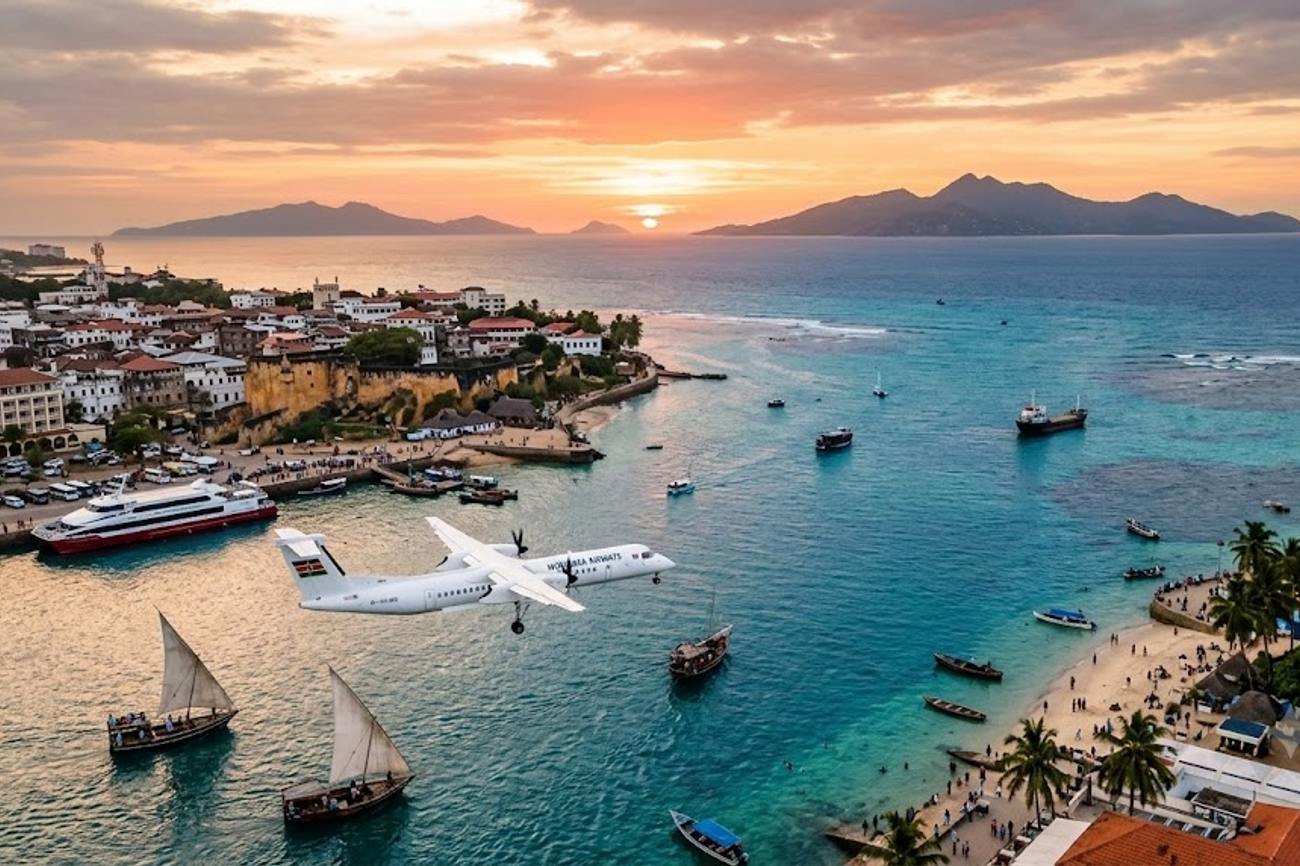
Image generated by AI
[Mombasa, September 7, 2026] — The geopolitical and economic map of the East African coast and the Indian Ocean is being redrawn as Mombasa, the Seychelles, and the Union of Comoros implement a coordinated tourism recovery strategy. This initiative has evolved beyond simple diplomatic cooperation into a sophisticated economic engine designed to insulate the region from global volatility. By integrating Kenyan safari circuits with the "Vanilla Islands" archipelago, these nations are deploying a modern ecotourism model aimed at aggressive job creation and the restoration of local economies.
The Evolution of Indian Ocean Travel Integration
For decades, tourism across the East African coastline and the Indian Ocean was characterized by fragmentation. Despite shared ecological and cultural ties, destinations operated in isolation. Island nations, specifically the Seychelles and the Union of Comoros, marketed their luxury beaches as standalone products, while Mombasa functioned primarily as a gateway to Kenya's inland wildlife reserves. This siloed approach limited the average length of stay for international visitors and restricted the economic flow between the coast and the islands.
The shift toward integration began with the Indian Ocean Commission (IOC) in the 1980s, which initially focused on environmental and diplomatic alignment. This evolved into the "Vanilla Islands" initiative around 2010, a collective branding effort involving Seychelles, Madagascar, Mauritius, Comoros, Mayotte, and Réunion. This consortium allowed smaller island states to pool marketing budgets to attract long-haul travelers and cruise operators, reducing the financial burden on individual national treasuries.
However, the post-pandemic era revealed that island-hopping alone was insufficient for sustainable growth. The strategic pivot occurred when Mombasa was identified as the essential continental anchor. Leveraging its deep-water port, expanded international aviation infrastructure, and historical status as a trade hub, Mombasa now links the African mainland to the Indian Ocean islands. This trilateral synergy allows for the creation of high-value travel packages that blend continental safaris with exclusive island retreats, creating a diversified revenue stream that resists seasonal fluctuations.
Landmark Aviation Treaties Expand Regional Connectivity
The logistical framework for this recovery reached a critical milestone in August 2026. During the Ministerial Conference of the Tourism and Air Transport Ministers of the Indian Ocean Commission, hosted at the Kempinski Resort in Mahé, Seychelles, a historic reciprocal air services agreement was formalized between the Union of Comoros and the Seychelles.
This treaty grants Air Seychelles unlimited air access to the Union of Comoros, removing the restrictive connectivity barriers that have historically hindered travel between these two neighbors. The agreement was signed by Gilbert Faure, Chief Executive of the Seychelles Civil Aviation Authority, and Inzouddine Hodhoaer, the Principal Secretary for External Relations of the Union of Comoros.
Because the Union of Comoros does not currently operate a national airline, Air Seychelles is positioned to manage this route, establishing a direct artery for trade, diaspora movement, and integrated tourism. Alan Renaud, General Manager for Corporate Affairs at Air Seychelles, indicated that this unlimited access is a pivotal step toward the ultimate goal of daily flights between all IOC member states.
For travelers utilizing Mombasa as a hub, this connectivity is transformative. It enables a seamless multi-destination itinerary: visitors can arrive in Mombasa for a Kenyan safari, transition to the Seychelles for luxury leisure, and conclude their journey in Comoros to explore volcanic landscapes and spice plantations, all without the logistical friction of fragmented flight paths.
Diplomatic Alignment and the "Africa Brand" Strategy
The aviation agreements are supported by a broader diplomatic effort to establish a unified "Africa Brand" of tourism. The Kenyan government and the Seychelles Ministry of Foreign Affairs have conducted extensive bilateral negotiations to synchronize their marketing efforts. These talks are aligned with the UN Tourism (formerly UNWTO) African working groups, positioning tourism as the primary catalyst for sustainable development across East Africa.
Official reports indicate that poor connectivity has historically stifled intra-African trade and travel. To combat this, the Union of Comoros has committed to participating fully in committees dedicated to removing regional barriers, despite the absence of its own carrier. This political alignment is being codified through Memorandums of Understanding (MoUs) that simplify cross-border logistics and encourage foreign direct investment.
By aligning their chambers of commerce and tourism boards, Kenya, Seychelles, and Comoros are presenting themselves as a cohesive, business-friendly bloc. This strategy is designed to attract international airlines to increase frequency to the region and encourage global investors to fund hospitality infrastructure that spans multiple jurisdictions.
Transitioning to a Sustainable Blue Economy
While aviation provides the access, the long-term viability of the region depends on environmental stewardship. In July 2026, the Union of Comoros validated its comprehensive 2026–2035 strategy, focusing heavily on the "Blue Economy." This pivot ensures that tourism growth does not come at the cost of marine degradation.
The Blue Economy framework integrates sustainable fisheries, renewable ocean energy, and low-impact tourism. By protecting coral reefs and managing marine protected areas, the region aims to attract a higher demographic of eco-conscious travelers who contribute more to the local economy while leaving a smaller carbon footprint. This sustainable approach is now the baseline for all new tourism developments in the Mombasa-Seychelles-Comoros corridor.
Why This Matters: The Impact on the Modern Traveler
For the traveler, this integration transforms the Indian Ocean from a collection of distant spots into a navigable region. The removal of "aviation silos" means lower ticket costs through increased competition and frequency, and the ability to book complex, multi-country itineraries through a single operator.
From a logistical standpoint, the transition from fragmented marketing to a unified "Africa Brand" means more consistent service standards and streamlined visa processes across the corridor. For the local populations in Comoros and coastal Kenya, this is not merely about luxury travel; it is about the democratization of economic opportunity. The shift toward the Blue Economy ensures that the wealth generated by tourism remains in the community through sustainable jobs in conservation and local entrepreneurship, rather than leaking out to foreign-owned resort chains.
Related Travel Guides
Disclaimer
This article is for informational and educational purposes only. It does not constitute legal, financial, or professional advice. While we strive to provide accurate and up-to-date information, travel policies, regulations, and conditions change rapidly. Always verify information with official sources before making travel decisions. Nomad Lawyer makes no representations about the accuracy, reliability, completeness, or suitability of the information provided. Readers should consult qualified professionals for advice specific to their circumstances. The views expressed in this article are those of the author and do not necessarily reflect the views of Nomad Lawyer.
Raushan Kumar
Founder & Lead Developer
Full-stack developer with 11+ years of experience and a passionate traveller. Raushan built Nomad Lawyer from the ground up with a vision to create the best travel and law experience on the web.
Learn more about our team →