
EASA Warns Airlines to Avoid UAE Qatar Bahrain and Kuwait Airspace Amid 2026 US-Iran Military Tensions
The European Union Aviation Safety Agency has issued a high-risk conflict zone warning for the UAE, Qatar, Bahrain, and Kuwait, forcing major carriers to reroute flights due to escalating US-Iran military tensions.

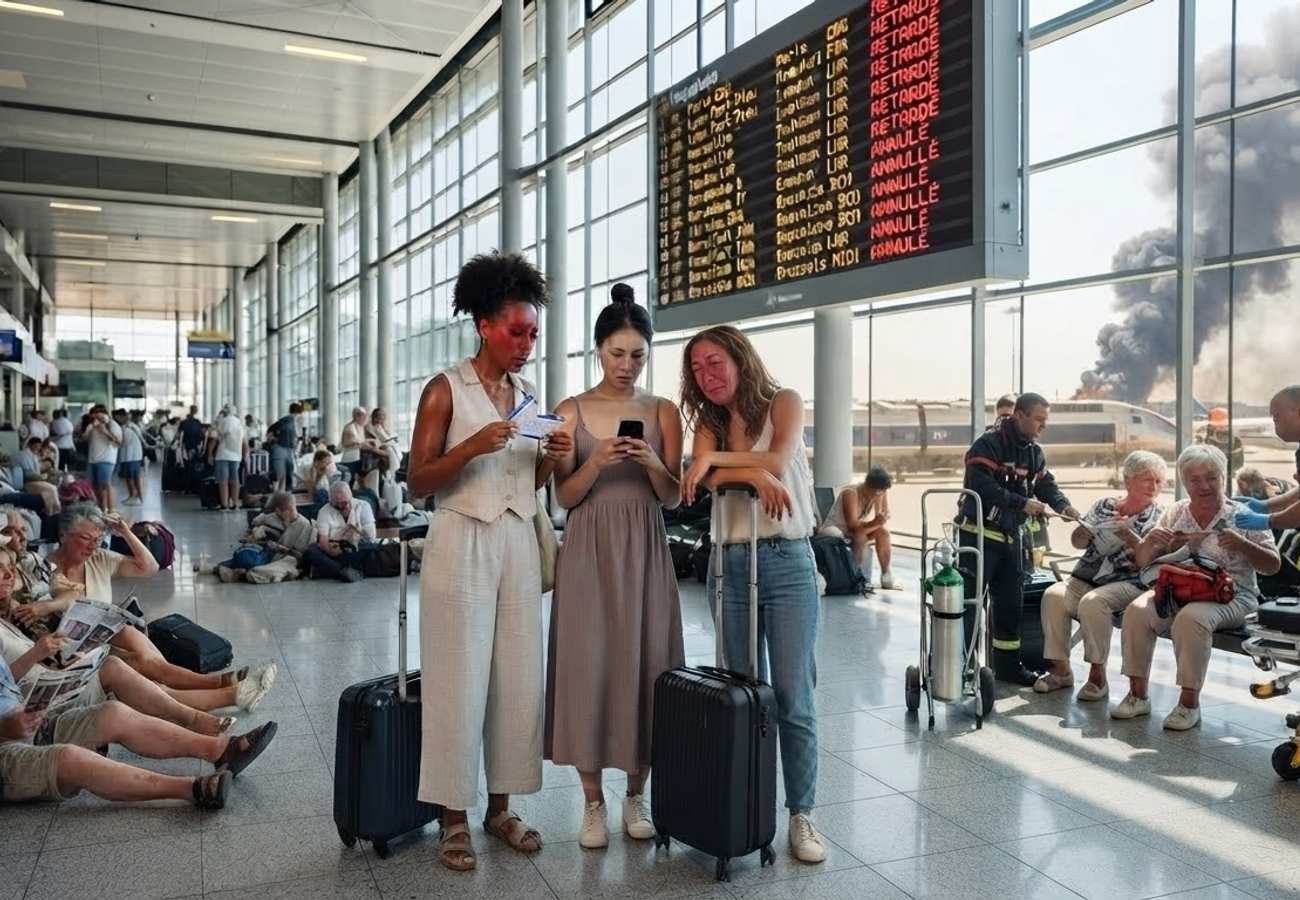
Image generated by AI
The European Union Aviation Safety Agency (EASA) has issued a high-risk conflict zone warning for the airspace of the United Arab Emirates, Qatar, Bahrain, and Kuwait, prompting immediate rerouting for global carriers.
The directive, detailed in the EASA Conflict Zone Information Bulletin CZIB-2026-07 issued on July 14, 2026, advises all European airlines and EASA-authorised foreign carriers to completely avoid the airspace of these four nations at all altitudes. This advisory remains valid until July 29, 2026, pending further security reviews.
Escalation of Regional Security Risks
The restrictions follow the collapse of a temporary ceasefire between the United States and Iran. The peace process, which initiated on April 8, 2026, and was extended via a 60-day Memorandum of Understanding on June 17, 2026, disintegrated by July 7, 2026. The subsequent resumption of military operations has introduced critical risks to civilian aviation.
Beyond national borders, the warning extends to sections of the Gulf of Oman within the Muscat Flight Information Region (FIR) west of longitude 58°E. The decision to classify these zones as high-risk is driven by three primary factors:
- Aircraft Misidentification: Intense military activity increases the probability that civilian aircraft are incorrectly identified by air defence systems.
- Kinetic Threats: The presence of drone movements, missile launches, and interception operations creates a danger of falling debris and sudden airspace closures.
- Compressed Warning Windows: Unlike weather-related delays, conflict-driven airspace restrictions occur with minimal notice, leaving carriers little time to adjust flight paths.
Operational Impact on Global Carriers
The advisory has disrupted some of the world's most critical aviation hubs, including Dubai International, Hamad International (Doha), Bahrain International, and Kuwait International airports. While the EASA bulletin is a safety recommendation, most European-regulated carriers are treating it as a mandatory operational requirement.
Carrier Response and Service Status
| Airline | Country | Current Operational Impact |
|---|---|---|
| British Airways | United Kingdom | Services to Dubai, Bahrain, Amman, and Tel Aviv suspended until October 25, 2026 |
| Air Astana | Kazakhstan | UAE flight operations suspended following a failed restart attempt |
| Lufthansa Group | Germany | Routes adjusted via longer detours; affects Swiss and Austrian Airlines |
| Air France-KLM | France/Netherlands | Implementation of alternative routing for Asia-bound flights |
| Emirates | UAE | Severe operational pressure due to hub location within restricted zone |
| Qatar Airways | Qatar | Complex rerouting required to bypass restricted zones |
| Gulf Air | Bahrain | Significant pressure on international connectivity |
| Kuwait Airways | Kuwait | Network challenges and fluctuating passenger demand |
For long-haul carriers like the Lufthansa Group, the rerouting has resulted in increased flight durations, with some sectors requiring an additional 45 to 90 minutes of flying time. This extension impacts fuel planning, crew duty limits, and aircraft rotation schedules.
Traveler Logistics Guide: Navigating Gulf Disruptions
Passengers traveling through or to the Middle East during this period should adopt the following strategies to mitigate delays:
Booking and Connections
- Avoid Tight Layovers: With flight paths being redesigned and durations increasing by up to 90 minutes, "optimal" layover times should be increased from the standard 2 hours to at least 4-6 hours to account for arrival delays.
- Alternative Hubs: Consider routing through non-restricted hubs in Turkey (Istanbul) or Ethiopia (Addis Ababa) for travel between Europe and Asia to avoid the Gulf corridor entirely.
Ticketing and Documentation
- Verify Flight Status: Check flight status via the airline's official app 24 hours before departure. Carriers like British Airways have extended suspensions through October 2026; ensure your itinerary does not rely on these suspended routes.
- Travel Insurance: Review "Force Majeure" clauses in travel insurance policies. Political instability and airspace closures are often categorized differently than medical emergencies.
Digital Transit Policies
- Digital Entry: Ensure all digital travel authorizations (such as UAE's visa systems or EU's ETIAS for return journeys) are updated, as rerouting may lead to unexpected transit countries.
Infrastructure and Connectivity Assessment
The EASA warning fundamentally alters the aviation map of the Middle East. By neutralizing the efficiency of the "Gulf Hub" model—which relies on the strategic proximity of Dubai, Doha, and Bahrain to global markets—the region is seeing a temporary shift in transit traffic toward Northern and Southern corridors.
The long-term impact includes increased operational costs for airlines due to higher fuel burn and potential ticket price hikes for passengers as carriers pass on the cost of longer flight paths. Furthermore, the suspension of services by carriers like British Airways until late October 2026 signals a lack of confidence in short-term stability, potentially impacting regional tourism and corporate investment.
Flight paths remain volatile as military tensions persist in the Gulf region.
Related Travel Guides
Disclaimer
This article is for informational and educational purposes only. It does not constitute legal, financial, or professional advice. While we strive to provide accurate and up-to-date information, travel policies, regulations, and conditions change rapidly. Always verify information with official sources before making travel decisions. Nomad Lawyer makes no representations about the accuracy, reliability, completeness, or suitability of the information provided. Readers should consult qualified professionals for advice specific to their circumstances. The views expressed in this article are those of the author and do not necessarily reflect the views of Nomad Lawyer.
Kunal K Choudhary
Co-Founder & Contributor
A passionate traveller and tech enthusiast. Kunal contributes to the vision and growth of Nomad Lawyer, bringing fresh perspectives and driving the community forward.
Learn more about our team →