
Dubai Luxury Hotels Pivot to Resident Staycations as International Tourism Slows: Jumeirah, Burj Al Arab Lead Strategy
Dubai's five-star hotels including Jumeirah and Burj Al Arab are offering up to 50% discounts to UAE residents as geopolitical tensions reduce international tourism, reshaping the city's luxury hospitality sector.

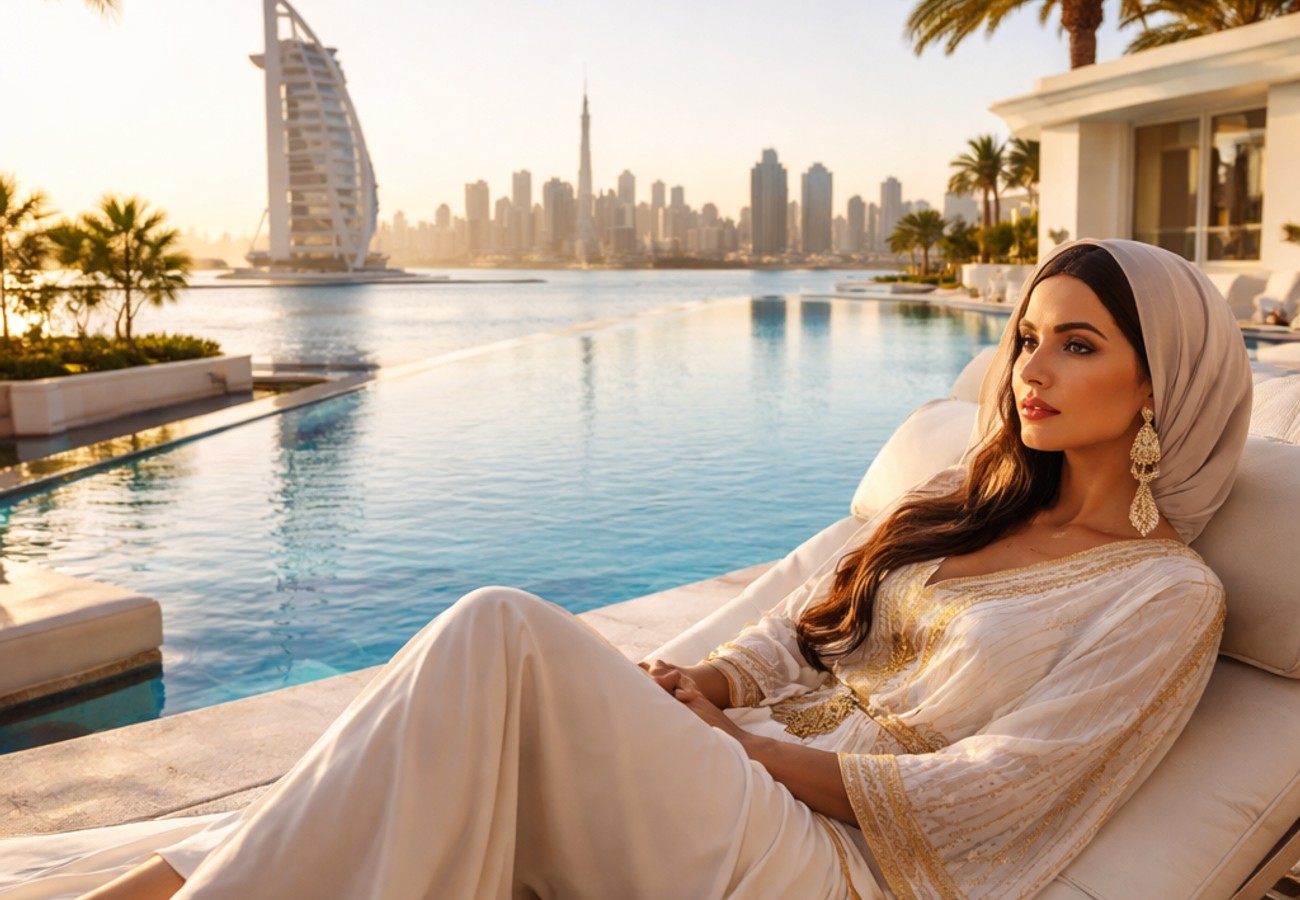
Image generated by AI
Dubai's Luxury Hotels Face Reality: International Tourists Are Staying Home
Dubai's premium hospitality sector is undergoing a seismic shift. Once the playground of globe-trotting billionaires and affluent international travellers, the city's most exclusive properties—Jumeirah, Burj Al Arab, Grand Hyatt Dubai, Armani Hotel Dubai, Park Hyatt Dubai, and The St. Regis Dubai—are now courting a different clientele: local residents seeking weekend escapes.
Regional geopolitical tensions have decimated the traditional international tourist pipeline. With missile and drone threats earlier this year disrupting travel plans, Dubai's iconic hotels watched occupancy rates plummet from their historical highs of over 80 percent. The reality was brutal: empty suites, closed restaurants, and underutilized staff at properties that command $1,000+ per night.
Reddit: "Staying at Burj Al Arab as a Dubai resident now feels like finally accessing luxury without the guilt of the flight carbon footprint." — r/travel
The Pivot: How 50% Discounts Are Saving Dubai's Luxury Sector
Rather than shutter doors or slash operating costs dramatically, Dubai's luxury hotels made a calculated gamble. They turned inward.
Properties across Palm Jumeirah—the man-made island that epitomizes Dubai's audacious architecture—began rolling out targeted resident packages offering discounts of up to 50 percent on suite rates, fine dining experiences, and exclusive spa treatments. Anantara The Palm Dubai Resort saw weekend occupancy climb to between 70 and 90 percent through these promotions. Jumeirah Beach Hotel, The St. Regis Dubai, and others followed suit with wellness-focused and family-friendly packages.
The strategy proved effective. While these bookings cannot replace week-long international stays from high-spending overseas guests, they provide the critical cash flow needed to maintain world-class service standards and prevent mass layoffs. Hotels adjusted staffing levels, temporarily closed underutilized sections, and refocused marketing budgets on local markets.
The Numbers Behind the Crisis
Before the regional conflict, the UAE welcomed approximately 19.5 million international tourists annually. The country's hotel portfolio stood at 827 properties, including 173 five-star establishments—the crown jewels now struggling to fill rooms.
According to TravelAndTourWorld, average occupancy rates had historically exceeded 80 percent. Post-tensions, that figure crumbled. International arrivals dropped precipitously. Weekday occupancy at flagship properties fell to levels not seen in decades.
Yet here's what's remarkable: since a ceasefire took effect, international travel has begun resuming gradually. Tourism recovery, however, remains fragile and uneven—making resident loyalty programs not a temporary fix, but a fundamental part of Dubai's new hospitality model.
Palm Jumeirah: From Ghost Island to Vibrant Weekend Destination
Palm Jumeirah has emerged as the epicenter of this resident staycation boom. The artificial island's ultra-luxury properties—featuring overwater Thai-inspired villas, private lagoons, curated culinary experiences, and pristine private beaches—have transformed into havens for local families and couples seeking short escapes.
Anantara The Palm Dubai Resort exemplifies this shift. What was once a property catering exclusively to international tourists now hosts regular weekend visitors from across the UAE. The resort's amenity-rich profile—pools, fine dining, spa facilities—perfectly matched resident desires for memorable, accessible luxury.
Jumeirah Beach Hotel and The St. Regis Dubai, The Palm have similarly maximized their appeal through strategic packages. Weekend demand is robust. Weekday occupancy remains modest but sufficient to cover operational costs and maintain service quality.
Downtown Dubai and Beyond: A Sector-Wide Transformation
The resident staycation strategy extends far beyond the Palm. Downtown Dubai's five-star district, anchored by Grand Hyatt Dubai and other prestige properties, has adapted by balancing occupancy targets with operational realities.
Burj Al Arab—the world-renowned sail-shaped icon—has been particularly innovative. Alongside neighbouring Armani Hotel Dubai and Park Hyatt Dubai, it introduced resident-targeted packages providing access to high-end suites, Michelin-level fine dining, and exclusive spa experiences at rates previously reserved for international guests.
The transparency of this pivot is noteworthy. Hotels aren't hiding the fact that they're catering to locals; they're embracing it as a point of pride. Dubai's luxury sector is demonstrating that prestige isn't about excluding locals—it's about providing unforgettable experiences, regardless of guest origin.
Building Resilience for Future Recovery
What started as crisis management is evolving into a sustainable operating model. By integrating flexible packages and wellness offerings—and by nurturing local market loyalty—Dubai's hospitality leaders are building a sector capable of weathering geopolitical volatility.
As schools close for summer and families seek leisure options, resident engagement will continue anchoring occupancy. When international tourism fully recovers, these measures will provide a foundation for accelerated growth rather than starting from zero.
Jumeirah, Burj Al Arab, Grand Hyatt, Armani, Park Hyatt, and The St. Regis Dubai are no longer betting exclusively on foreign high-rollers. They're betting on Dubai residents. And so far, that bet is paying dividends.
The Broader Implication: A New Definition of Luxury
This transformation signals something deeper than temporary accommodation to geopolitical headwinds. It's a redefinition of what luxury hospitality means in an uncertain world. Exclusivity is shifting from who can afford it to who can access it—and that includes the people who actually live in the destination.
As international travel gradually resumes, this hybrid model—part international visitor, part local resident—is likely to persist. Dubai's luxury hotels have learned that building community loyalty creates stability in volatile times.
Dubai's luxury hotels aren't waiting for tourists to return—they're ensuring the city thrives regardless.
Related Travel Guides
Disclaimer
This article is for informational and educational purposes only. It does not constitute legal, financial, or professional advice. While we strive to provide accurate and up-to-date information, travel policies, regulations, and conditions change rapidly. Always verify information with official sources before making travel decisions. Nomad Lawyer makes no representations about the accuracy, reliability, completeness, or suitability of the information provided. Readers should consult qualified professionals for advice specific to their circumstances. The views expressed in this article are those of the author and do not necessarily reflect the views of Nomad Lawyer.
Kunal K Choudhary
Co-Founder & Contributor
A passionate traveller and tech enthusiast. Kunal contributes to the vision and growth of Nomad Lawyer, bringing fresh perspectives and driving the community forward.
Learn more about our team →