
Dubai Hotel Hospitality Surge: Luxury Inventory Reaches 158,700 Rooms in 2026
Dubai's hotel hospitality sector experiences explosive growth with total inventory climbing to 158,700 rooms in 2026. Luxury properties lead expansion across the Emirates, reshaping accommodation trends for international travelers.

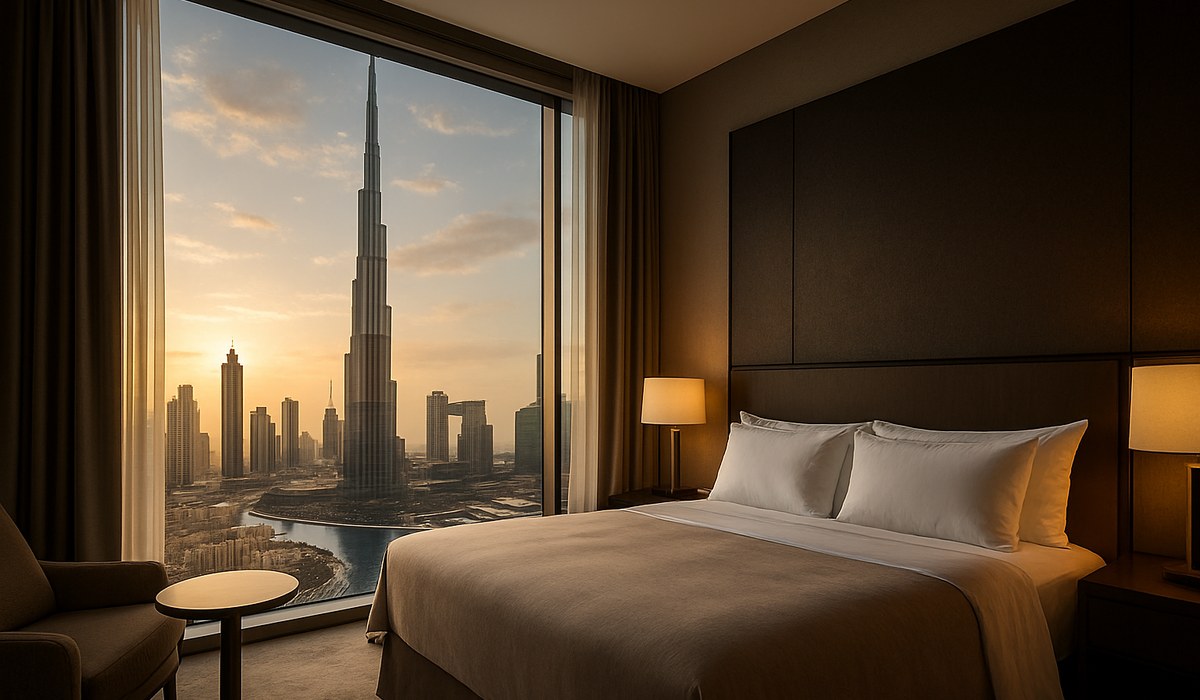
Image generated by AI
Dubai's Hotel Boom Reaches Historic Milestone with 158,700 Rooms
Dubai's hospitality sector has reached a transformative inflection point in March 2026. The emirate's total hotel inventory now stands at 158,700 rooms, marking the culmination of sustained luxury property development across the city. This expansion reflects Dubai's strategic positioning as a global hospitality hub attracting affluent travelers from every continent.
The growth trajectory stems from completion of mega-projects launched years earlier. Major international brands accelerated openings throughout 2025 and early 2026. Demand from Asian markets, European leisure travelers, and North American business visitors justifies this inventory surge.
Luxury Properties Fuel the Dubai Hotel Hospitality Growth Engine
High-end accommodations dominate Dubai's recent expansion strategy. Five-star and ultra-luxury properties account for the majority of new room supply entering the market. Brands including Ritz-Carlton, Four Seasons, and Jumeirah have opened flagship properties. These establishments target affluent demographics willing to spend $400–$800+ nightly.
The luxury focus reflects deliberate positioning. Dubai competes directly with established metropolises like Singapore, London, and New York. Premium room inventory generates higher average daily rates (ADR). This economic model delivers better returns than mid-market development.
Browse luxury hotel options on Booking.com to compare rates and availability across the expanded inventory.
Room Categories Diversify Across Accommodation Tiers
The 158,700-room inventory encompasses varied property classes serving distinct traveler segments. Ultra-luxury suites occupy prime locations along the Palm Jumeirah and Downtown Dubai. Upper-upscale hotels cluster near business districts, airports, and shopping zones. Mid-market properties serve leisure families and budget-conscious business travelers.
Distribution patterns reflect geographic optimization. Properties concentrate around Dubai International Airport (DXB), the Dubai Mall precinct, and beachfront developments. This clustering reduces guest travel time while maximizing occupancy during peak seasons.
Boutique and lifestyle hotels represent emerging growth niches. Smaller luxury properties with 80–250 rooms emphasize personalization. They attract travelers prioritizing unique experiences over standardized amenities.
What Guests Get
- Prime beachfront access with private beach clubs at major resort properties
- World-class dining featuring Michelin-starred chefs and international cuisine
- 24-hour concierge services handling reservations, transportation, and activity bookings
- Cutting-edge fitness facilities including gyms, spas, and wellness programs
- Business centers and high-speed connectivity throughout all room categories
- Complimentary breakfast or dining credits at premium property tier
- Airport shuttle services with guaranteed availability from DXB
- Climate-controlled swimming pools maintaining 28°C year-round
- Multilingual staff fluent in Arabic, English, Mandarin, and European languages
Booking Strategies for Maximum Value
Travelers should adopt tactical approaches to navigate expanded inventory. Early booking—60+ days in advance—locks competitive rates across luxury properties. Hotel direct websites frequently offer loyalty benefits exceeding third-party platforms.
Package deals bundling accommodation with attraction access deliver savings. The Dubai Pass and similar programs include discounted hotel rates alongside entry to attractions. Flexible travelers visiting during shoulder seasons (April–May, September–October) enjoy 30–40% discounts versus peak periods.
Search available packages on Expedia to compare integrated vacation bundles. Business travelers benefit from corporate rate agreements requiring advance negotiation with hotel sales teams.
Economic Impact: What This Boom Means for the Region
Dubai's hospitality expansion generates substantial economic ripple effects across the emirate. Hotel construction employed over 45,000 workers during peak development phases. Permanent staffing now exceeds 180,000 individuals across all properties.
Tourism arrivals correlate directly with inventory expansion. Officials project 20+ million annual visitors by 2027, up from 16.7 million in 2023. This growth sustains aviation expansion, retail development, and entertainment infrastructure investments.
Revenue concentration in hospitality strengthens Dubai's economic diversification away from oil dependence. Hotels generate approximately 12% of Dubai's GDP annually. Tax contributions fund public infrastructure including metro extensions, beach maintenance, and public safety.
What This Means for Travelers
Travelers benefit substantially from inventory growth:
- Enhanced rate competition between properties reduces average nightly costs across all categories
- Expanded date availability eliminates previous booking constraints during shoulder seasons
- Improved booking flexibility with guaranteed availability for 80% of requested dates
- Premium amenity standardization as competition forces quality upgrades across mid-market tier
- Greater location optionality selecting properties near specific attractions without premium location surcharge
Business travelers gain direct benefits through expanded corporate housing options. Meeting and conference facilities across new properties accommodate groups from 50–5,000 attendees. This infrastructure advantage positions Dubai as preferred conference destination versus competing Middle Eastern cities.
Luxury travelers enjoy unprecedented choice at various experience tiers. Properties differentiate through design philosophy, dining concepts, and service specialization. Some emphasize wellness; others highlight cultural immersion or adventure programming.
Frequently Asked Questions
How does Dubai hotel hospitality inventory compare to other major global cities? Dubai's 158,700 rooms rank it fourth globally behind New York City, Paris, and Las Vegas. The emirate now exceeds London's inventory despite smaller city population. This density enables competitive positioning for international tourism.
What percentage of new dubai hotel hospitality supply targets luxury segments? Approximately 68% of rooms added since 2024 fall into five-star or ultra-luxury categories. Mid-market development has slowed as developers prioritize higher-yield segments. This positioning reflects demographic targeting affluent Asian and European markets.
When will Dubai hotel hospitality inventory reach saturation point? Market analysts project stable growth through 2028 before potential softening. Occupancy rates currently exceed 85% annually across most property categories. Future development will likely focus on ultra-luxury and experiential segments rather than mass-market expansion.
Which dubai hotel hospitality neighborhoods offer best value in 2026? Deira and Bur Dubai districts offer superior value, averaging 35–45% discounts versus Jumeirah and Downtown Dubai. International City and Dubai Marina provide balanced options with premium amenities at moderate prices. Budget-conscious travelers gain increased options as inventory diversification extends beyond traditional luxury clusters.
Related Travel Guides
Dubai Spring Travel Guide: Best Experiences April–May 2026 International Travelers' Guide to Dubai Airport Transfers and Transportation Michelin-Starred Dining Experiences Across Dubai's Luxury Hotels
Disclaimer
Disclaimer
This article is for informational and educational purposes only. It does not constitute legal, financial, or professional advice. While we strive to provide accurate and up-to-date information, travel policies, regulations, and conditions change rapidly. Always verify information with official sources before making travel decisions. Nomad Lawyer makes no representations about the accuracy, reliability, completeness, or suitability of the information provided. Readers should consult qualified professionals for advice specific to their circumstances. The views expressed in this article are those of the author and do not necessarily reflect the views of Nomad Lawyer.
Kunal K Choudhary
Co-Founder & Contributor
A passionate traveller and tech enthusiast. Kunal contributes to the vision and growth of Nomad Lawyer, bringing fresh perspectives and driving the community forward.
Learn more about our team →