
Dubai Flight Freeze: Cathay Pacific and Air Canada Extend Suspensions to October 2026
Cathay Pacific, Air Canada, and several global carriers extend their flight suspensions to Dubai International Airport (DXB) until late October 2026.
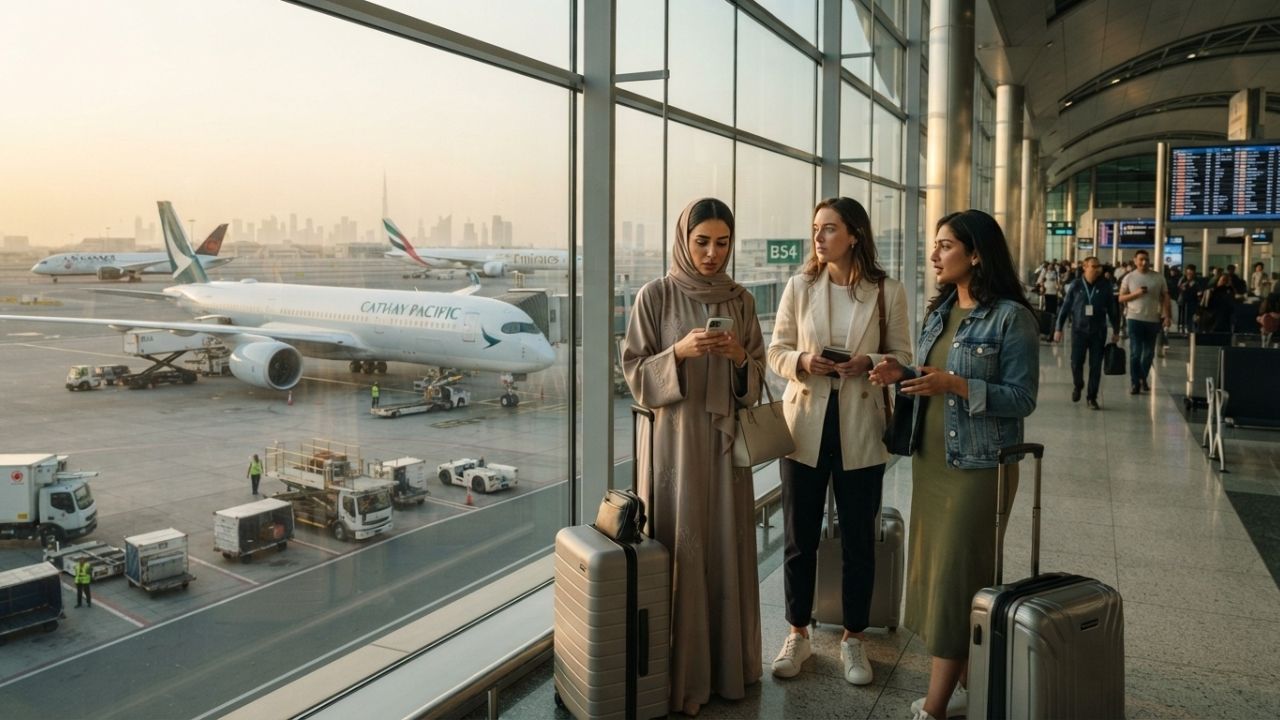
Image generated by AI
When Cathay Pacific and Air Canada joined a growing list of global airlines extending their flight freeze to Dubai until late October 2026, it highlighted the deep operational pressures reshaping transcontinental aviation networks. Driven by regional capacity restrictions and airspace limitations, these suspensions reduce direct connections and increase demand on the remaining routes serving the Middle East's primary transit hub.
The Local Trend Revealed: Airspace Restrictions and Long-Haul Flight Consolidation
The global aviation industry is experiencing a significant shift where foreign long-haul carriers are freezing routes to major transit hubs due to capacity constraints and regional airspace challenges. Dubai International Airport, which operates as a critical gateway linking Europe, Asia, and North America, is currently at the center of this trend. While local carriers like Emirates and flydubai continue to run their schedules using their large-scale presence at DXB, international operators are taking a more cautious approach, suspending services for several months.
The capacity crunch at Dubai International Airport is also driven by high traffic volumes from regional low-cost carriers, which have expanded their networks to meet domestic demand. This has left fewer available slots for foreign airlines, prompting them to delay their returns until slot allocation systems are reorganized. Travelers are advised to check route availability and slot status before booking international connections.
This flight freeze represents a major disruption for passengers:
- Cathay Pacific: Flight cancellations to and from Dubai extended until October 25, 2026, with free rebooking allowed up to March 31, 2027.
- Air Canada: Services suspended from Toronto until October 24, 2026, with rebooking, destination changes, or travel credits offered to passengers.
- British Airways and KLM: Paused flights until October 24 or 25, 2026, reducing European direct connections.
- Lufthansa and SWISS: Suspended routes until at least September 13, 2026.
- Singapore Airlines: Suspended key flights (SQ494 and SQ495) until October 24, 2026.
- Other carriers: Suspensions from airBaltic, Eurowings, Philippine Airlines, and Wizz Air extending until late October.
Cultural Preservation and Tourism Resilience in Dubai
For the traveler, the real impact of these suspensions is the necessity of identifying alternative carriers and booking transit schedules well in advance. Dubai's tourism economy relies heavily on international flight capacity, welcoming millions of visitors annually to its cultural exhibitions, business summits, and heritage events. While the flight freeze restricts direct options, travelers can support the local community by exploring alternative transportation methods within the region and choosing sustainable, locally owned tour operators.
Dubai's cultural heritage associations are actively working to promote sustainable community-based tourism during these aviation challenges. By organizing guided walks through historic souks and hosting traditional craft workshops, these groups create alternative experiences for international visitors. Supporting these micro-businesses ensures that the benefits of tourism are distributed directly to local families and cultural guides.
To support the cultural preservation of the emirate, visitors are encouraged to explore historic neighborhoods, such as the Al Fahidi Historical Neighbourhood, and patronize local souks and traditional merchants. Sponsoring local heritage initiatives, utilizing public transport systems like the Dubai Metro, and dining at local establishments that source regional ingredients help keep tourist spending within the host community. This responsible behavior helps mitigate the economic impact of flight reductions on small merchants and cultural guides.
Airspace Management and Environmental Impact
Behind the scenes, route suspensions are heavily influenced by the necessity of managing airspace safety. When international carriers avoid specific transit corridors, flights must be rerouted over longer paths, resulting in increased fuel burn and higher carbon emissions. This operational shift demonstrates the close connection between aviation safety, geopolitics, and environmental sustainability.
The General Authority of Civil Aviation coordinates closely with international aviation bodies to optimize airspace capacity and minimize flight path inefficiencies. By consolidating routes and adjusting arrival slots, authorities aim to maintain safety standards while minimizing the carbon footprint of regional transit flights.
Passenger compensation and consumer protection guidelines represent a critical area of compliance for airlines during these route suspensions. Under European Union regulation EU261/2004, passengers departing from an EU airport are protected in the event of flight cancellations or major schedule changes. If a carrier cancels a flight with less than fourteen days of notice, it must provide passengers with a full refund or re-routing options, as well as compensation of up to six hundred euros, unless the cancellation is caused by extraordinary circumstances. Similarly, Canada's Air Passenger Protection Regulations (APPR) mandate that airlines operating flights to or from Canada must provide comparable protections, ensuring that passengers are not left stranded without compensation or travel alternatives.
Dubai Travel Guide: Transit Rules and Cultural Etiquette
For travelers planning a journey to Dubai or navigating transit connections during the flight freeze, the Dubai Department of Economy and Tourism suggests the following tips:
- Optimal Booking Windows: Schedule your journeys through alternative carriers (such as Emirates or flydubai) during mid-week days to avoid peak weekend transit congestion.
- Transit Buffer Times: If booking connecting flights through DXB with different airlines, allow a buffer of at least four to five hours to manage baggage transfers and terminal changes.
- Local Cultural Etiquette: When visiting cultural sites or historic districts, dress respectfully by covering shoulders and knees. Respect local rules regarding public photography and social interactions.
- Sample Regional Cuisine: Take time to explore traditional Emirati dining. Sample dishes like machboos (spiced rice cooked with meat or fish), try luqaimat (sweet dumplings with date syrup), or enjoy traditional Arabic coffee.
- Explore Historical Treasures: Visit the Dubai Museum and the Saruq Al-Hadid Archaeological Museum to learn about the region's ancient iron-working history and nomadic roots.
- Al Fahidi Historical Neighbourhood: The Al Fahidi district, situated along the Dubai Creek, is historic for its traditional wind-tower architecture and narrow pedestrian lanes. Dating back to the late nineteenth century, the neighborhood serves as a cultural hub, hosting museums, art galleries, and cultural heritage centers. Visitors can experience the architectural styles of old Dubai and participate in cultural events organized by local heritage groups.
- Under-the-Radar Quiet Zones: Seek out the quiet lounges and relaxation areas located in Terminal 3, which offer a peaceful environment away from the main terminal corridors.
- Off-Peak Transit Times: To avoid long queues at immigration and security check points during the summer peak, schedule your airport arrivals for early morning or late evening hours.
Long-Term Outlook for Gulf Aviation Infrastructure
The extended suspensions by global carriers highlight the value of resilient, flexible aviation infrastructure in the Gulf. By showing how DXB can manage capacity demands during a transcontinental flight freeze, local transport planners are building a scalable hospitality platform.
Over the coming decade, continued investments in regional airport expansions, sustainable aviation fuel (SAF), and high-speed rail networks will shape the Middle East travel market. As environmental and operational challenges continue to grow, resort operators and transport authorities must coordinate resource conservation. By maintaining high safety standards and promoting responsible tourism habits, Dubai aims to build a sustainable tourism model that protects its cultural heritage and natural landscapes. The General Authority of Civil Aviation (GCAA) is also leading efforts to implement sustainable aviation practices, including the development of local biofuel facilities and the optimization of regional air routes to reduce greenhouse gas emissions. By partnering with international carriers and academic institutions, the GCAA aims to establish a regional framework for sustainable flight operations, ensuring that the growth of Gulf aviation does not come at the expense of regional conservation goals.
Disclaimer
This article is for informational and educational purposes only. It does not constitute legal, financial, or professional advice. While we strive to provide accurate and up-to-date information, travel policies, regulations, and conditions change rapidly. Always verify information with official sources before making travel decisions. Nomad Lawyer makes no representations about the accuracy, reliability, completeness, or suitability of the information provided. Readers should consult qualified professionals for advice specific to their circumstances. The views expressed in this article are those of the author and do not necessarily reflect the views of Nomad Lawyer.