
Diego Moon Back: San Diego Becomes Center of Artemis II Space Tourism
San Diego transforms into a space tourism destination after NASA's Artemis II lunar mission splashes down off its Pacific coast on April 10, 2026, making the city a pilgrimage site for travelers seeking connection to humanity's newest frontier.

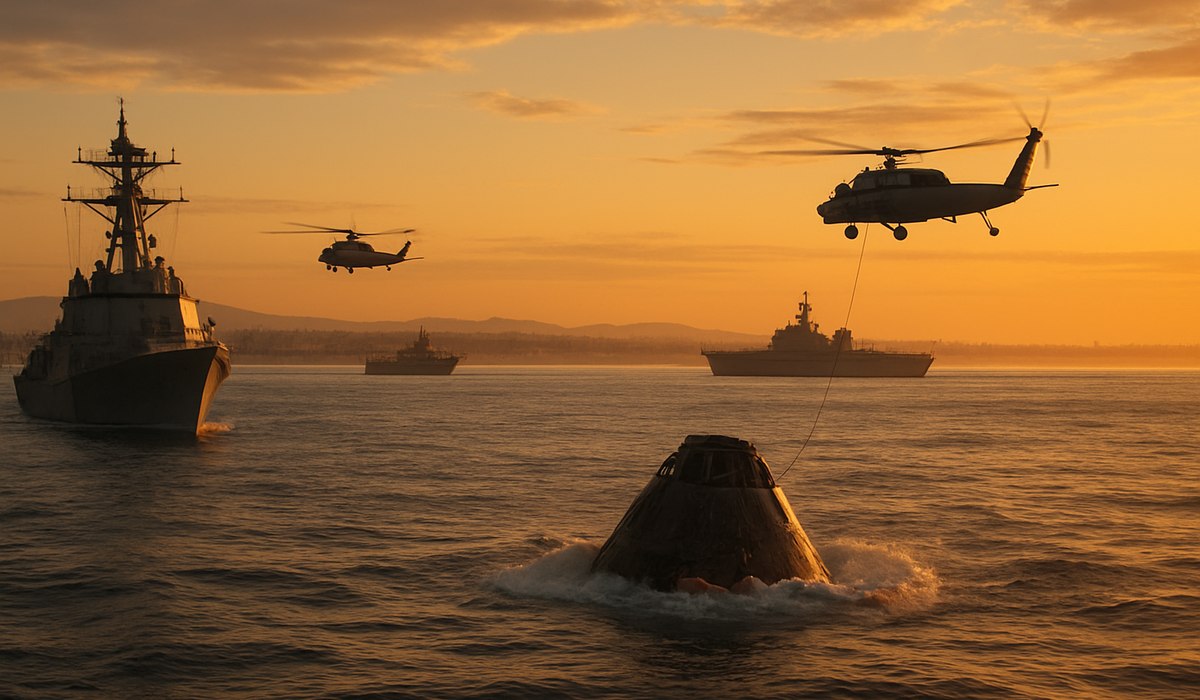
Image generated by AI
San Diego Becomes Earth's Gateway to the Moon
San Diego's Pacific coast has transformed into a pilgrimage destination after NASA's Artemis II Orion capsule splashed down off Southern California on April 10, 2026. The historic lunar mission recovery ignites unprecedented interest in the city as a space tourism hub, marking the first crewed Moon journey in over five decades. This pivotal moment doesn't just close a chapter of space exploration—it opens an entirely new chapter for travelers seeking to stand at the intersection of science, history, and human achievement.
The splashdown, which took place west of San Diego, positioned the city at the dramatic center of lunar-era spaceflight operations. Navy amphibious forces based at Naval Base San Diego orchestrated the complex recovery operation, bringing decades of military infrastructure and expertise into the global spotlight. For the tourism industry, this translates into genuine momentum: San Diego now claims a recurring role in crewed moon missions that few destinations can replicate.
San Diego's Strategic Role in Artemis II Recovery
The recovery operation showcased why San Diego was selected as the primary splashdown zone. The city's deep naval infrastructure, experienced amphibious crews, and proximity to open Pacific waters created the ideal environment for capturing and securing the Orion capsule. Prior to the mission, Navy amphibious transport ships including the USS San Diego and USS John P. Murtha conducted extensive underway recovery tests in the Pacific.
These rehearsals involved hauling test capsules into flooded well decks and practicing astronaut transfers to medical facilities aboard ship. The choreography developed through these exercises executed flawlessly during the actual splashdown, demonstrating why San Diego's military heritage makes it indispensable to NASA's Artemis program. Tourism officials have already leveraged this visibility into harbor tours that trace recovery fleet routes, educational waterfront displays, and specially curated viewing experiences that connect visitors directly to the mission's conclusion.
Hotels and attractions throughout the region began developing Artemis-themed programming weeks before splashdown. Science museums expanded exhibits highlighting ocean recovery operations, while beachfront properties introduced packages timed to future Artemis milestones and lunar mission anniversaries.
The Military Infrastructure Behind Lunar Homecomings
Understanding San Diego's role in Artemis requires appreciating the naval systems underlying the entire recovery operation. The city hosts one of the Pacific Fleet's most capable amphibious commands, with personnel trained specifically for spacecraft recovery operations—knowledge inherited directly from the Apollo era.
Recovery divers, medical teams, and capsule handling crews work in coordinated precision to retrieve astronauts from the Orion capsule within hours of splashdown. This infrastructure isn't temporary; it represents permanent, mission-critical capability that positions San Diego as the Pacific hub for all future crewed lunar mission recoveries.
For travelers, this infrastructure becomes tourism content. Visitors can now tour Naval Base San Diego's visitor center, view recovery training facilities, and attend public education programs explaining splashdown operations. The city's military-to-tourism pipeline has created an authentic narrative: San Diego isn't pretending to be part of space history—it's actively writing it.
Military heritage tourism represents one of San Diego's fastest-growing visitor segments, and Artemis II has positioned spaceflight recovery as the next logical evolution of that market. Official Naval Base San Diego visitor information provides scheduling details for public educational tours.
New Space Tourism Experiences and Hotel Packages
The hospitality sector responded rapidly to Artemis II's splashdown. Premium beachfront properties near the recovery zone began advertising "Artemis Splashdown View" packages within days of the April 10 landing. These offerings bundle oceanfront accommodations with guided educational programs, museum access, and professionally narrated harbor tours explaining recovery operations.
Mid-range and boutique hotels created themed room packages featuring Apollo-era memorabilia, space documentary streaming libraries, and curated reading materials about lunar exploration history. Some properties partnered with local science museums to offer combined admission packages at discounted rates.
Booking platforms began creating dedicated Artemis tourism category filters, allowing travelers to search specifically for "space mission travel experiences" in San Diego. This categorization signals lasting industry recognition that Artemis tourism represents a distinct and growing traveler demographic.
Expected pricing for Artemis-themed hotel packages ranges from $189–$399 nightly depending on property tier and proximity to recovery zone viewing areas. Multi-night packages bundling museum admission, guided tours, and educational programming command premiums of 15–25% above standard rates. Browse verified accommodation options on Booking.com to compare real-time availability and guest reviews.
What Guests Get
Travelers booking Artemis-themed accommodations receive curated experiences directly tied to the Orion capsule recovery:
Included amenities feature complimentary access to on-site educational briefings explaining splashdown operations, professional photography opportunities from designated coastal viewpoints, and digital mission timeline displays accessible via hotel room tablets.
Partner experiences include discounted admission to expanded Space Center Exhibits at local science museums, narrated harbor tours aboard vessels that participated in recovery operations, and VIP seating during community events celebrating Artemis achievements.
Exclusive content provides guests with mission documentation, astronaut interview archives, recovery operation footage, and interactive timelines exploring humanity's journey to the Moon from Apollo to Artemis.
Dining enhancements introduce space-themed menu items at hotel restaurants, special dinners hosted by aerospace engineers and NASA historians, and tasting menus celebrating the mission's international partners.
Wellness programming offers sunrise yoga sessions overlooking splashdown waters, meditation classes exploring the philosophical dimensions of space exploration, and spa treatments drawing thematic inspiration from lunar landscapes.
What's Next for San Diego's Space Tourism Identity
San Diego's transformation into a space tourism destination extends far beyond the April 2026 splashdown. NASA has publicly committed to Artemis III, scheduled for 2027–2028, with splashdown locations expected to remain in the Pacific corridor. This means San Diego can anticipate recurring moments of international attention, repeated recovery operations, and sustained tourism momentum.
The San Diego Tourism Authority has announced plans for permanent Artemis interpretation centers along the waterfront, museum exhibits dedicated specifically to splashdown recovery technology, and development of multi-day space tourism itineraries. These initiatives position the city to compete directly with Houston's Johnson Space Center and Florida's Space Coast for the growing segment of travelers prioritizing space exploration experiences.
Forward-looking announcements suggest eventual development of space-themed hospitality districts, educational partnerships between universities and space agencies, and potential crewed spaceflight launch facilities serving the emerging commercial lunar tourism industry. While these remain prospective, the city's demonstrated capability during Artemis II recovery has already attracted interest from aerospace companies evaluating West Coast expansion.
Travelers planning visits during future Artemis milestones should book accommodations 6–8 weeks ahead, as demand during mission windows now approaches peak summer travel competition.
Key Data About Artemis II and San Diego's Role
| Element | Details |
|---|---|
| Splashdown Date | April 10, 2026 |
| Location | Pacific Ocean, west of San Diego coast |
| Primary Recovery Command | Naval Base San Diego, U.S. Navy |
| Recovery Vessels | USS San Diego, USS John P. Murtha |
| Crew Size | 4 astronauts aboard Orion capsule |
| Mission Duration | 10-day lunar flyby mission |
| Hotel Package Price Range | $189–$399 nightly (standard to premium) |
| Average Package Premiums | 15–25% above standard |
Disclaimer
This article is for informational and educational purposes only. It does not constitute legal, financial, or professional advice. While we strive to provide accurate and up-to-date information, travel policies, regulations, and conditions change rapidly. Always verify information with official sources before making travel decisions. Nomad Lawyer makes no representations about the accuracy, reliability, completeness, or suitability of the information provided. Readers should consult qualified professionals for advice specific to their circumstances. The views expressed in this article are those of the author and do not necessarily reflect the views of Nomad Lawyer.
Kunal K Choudhary
Co-Founder & Contributor
A passionate traveller and tech enthusiast. Kunal contributes to the vision and growth of Nomad Lawyer, bringing fresh perspectives and driving the community forward.
Learn more about our team →