
Destinations International Launches Global Tourism Strategy With New Research and Social Impact Tools
Destinations International Launches Global Tourism Strategy With New Research and Social Impact Tools

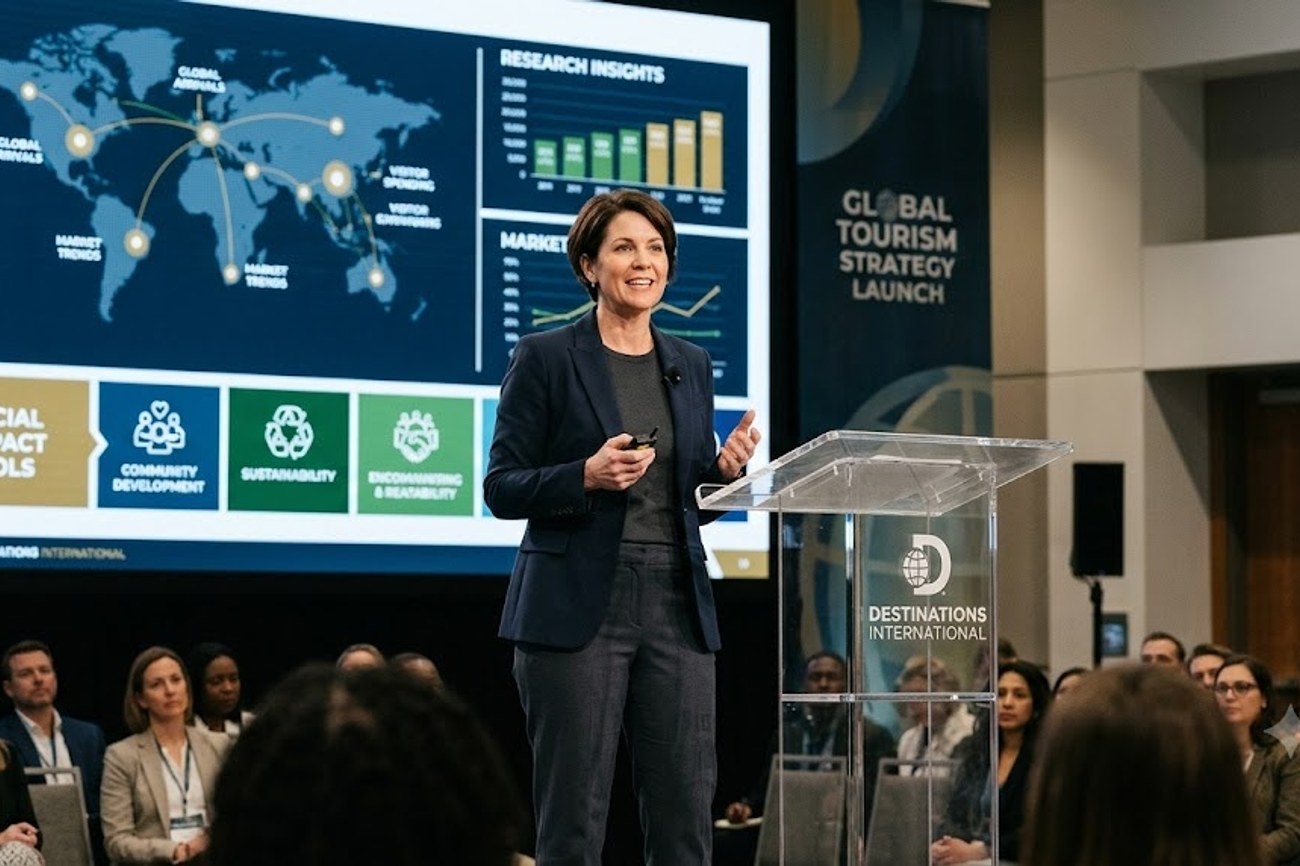
Image generated by AI
[Washington D.C., 2026] — Destinations International (DI) has launched a suite of new strategic research tools and social impact frameworks designed to overhaul how destination management organizations (DMOs) secure funding and communicate their economic value to local governments.
The initiatives were unveiled during the organization's 2026 Virtual Advocacy Day, an online summit focused on strengthening the resilience of the global travel sector. The event, supported by partners including Chase Travel, Civitas, Granicus Destinations, and the Destination International Foundation, centered on the urgent need for tourism bodies to evolve their funding models and deepen community engagement to ensure long-term industry sustainability.
The Catalyst for New Industry Frameworks
The primary trigger for these releases is a growing disconnect between the economic output of the visitor economy and the perception of tourism within local communities. As destinations face increasing pressure regarding sustainability and resident quality of life, DI has identified a critical gap in how tourism leaders articulate their social utility.
To bridge this gap, DI introduced two primary communication tools: the 2026 Tourism Lexicon and the 2026 Social Impact Lexicon. These resources provide research-backed terminology to help DMOs translate complex performance data into messaging that resonates with non-travel stakeholders, such as municipal leaders and residents. The Tourism Lexicon is currently deployed across the United Kingdom, United States, Canada, and Australia, with specific versions available in English and Canadian French.
The Social Impact Lexicon specifically targets the "human" side of the visitor economy, focusing on community wellbeing, the creation of local economic opportunities, and the overall improvement of quality of life for residents. By shifting the narrative from simple arrival numbers to social value, DI aims to protect tourism funding from budget cuts during economic volatility.
Organizations and Markets Impacted
The rollout of these resources affects a broad spectrum of global tourism stakeholders, particularly those operating in highly regulated or resident-sensitive markets.
- Destination Management Organizations (DMOs): Tourism boards in the US, UK, Canada, and Australia now have standardized frameworks to justify their budgets to government auditors.
- Local Governments: Municipalities utilizing Destination International frameworks will see a shift in how tourism impact is reported, moving toward "social impact" metrics rather than just GDP contribution.
- Community Stakeholders: Residents in high-traffic tourist zones will likely see a change in how local tourism boards engage with them, with a new emphasis on "welcoming destinations" and community wellbeing.
- Funding Bodies: Entities providing grants or tax-based funding for tourism promotion will now encounter more rigorous, lexicon-based advocacy from DMOs.
Practical Traveler Advisory and Strategic Insights
While these changes occur at the administrative and governmental level, the ripple effects will be felt by passengers and tourists through the way destinations are managed and marketed.
Shift in Destination Quality The focus on the "Social Impact Lexicon" means that cities are moving away from "growth at all costs" tourism. For the traveler, this translates to a more sustainable visitor experience. Destinations are prioritizing "community wellbeing," which often leads to better-managed crowds, more authentic local experiences, and a reduction in the "overtourism" friction that frequently leads to hostile interactions between locals and visitors.
Funding Stability and Infrastructure By implementing the "Destination Organizations and Economic Downturns" research, DMOs are building buffers against financial crises. For a traveler, this means more consistent tourism infrastructure. When a destination has a resilient funding model, the quality of visitor centers, public transport for tourists, and city cleanliness is less likely to collapse during a sudden economic dip.
Destinations International has launched a global tourism strategy, aiming to enhance the industry's social impact and sustainability. The strategy is backed by new research and tools, providing destinations with actionable insights to improve their tourism management, as outlined on the World Tourism Organization (UNWTO) website. This initiative is expected to benefit local communities and support the long-term growth of the tourism sector.
More Transparent Communication The move toward "credible data" and "trusted relationships" mentioned by DI CEO Don Welsh suggests that the marketing of destinations will become less about "glossy brochures" and more about the actual value and impact of the visit. Travelers can expect more transparent information regarding how their spending contributes to the local community.
The Roadmap to Ottawa 2026
The Virtual Advocacy Day serves as the preamble to a larger, physical gathering of industry power players. The conversation regarding the intersection of tourism taxes, sustainable funding, and the legal distinction between advocacy and lobbying will move to Canada this autumn.
The "Advocacy & Action: The Destination Impact Event" is scheduled for October 20–22, 2026, in Ottawa, Ontario. This event will act as the primary laboratory for implementing the new lexicons and research. Tourism leaders will meet to refine strategies for economic impact measurement and to establish new partnerships with local governments.
Central to the upcoming Ottawa sessions will be the application of the report "Destination Organizations and Economic Downturns: Historical Lessons for the Year Ahead." This research, which analyzed 30 years of economic volatility, argues that the only way for a DMO to survive a crash is to have proven its community value before the crisis hits. The upcoming event will provide the practical toolkit for DMOs to execute this "pre-crisis" advocacy.
For those unable to attend the physical event in Ottawa, Destinations International has made the full recordings of the Virtual Advocacy Day sessions available on demand via registration, ensuring that the new terminology and resilience strategies are disseminated globally.
FAQ: Destination Management 2026
What is a Tourism Lexicon and why does it matter? It is a standardized set of research-backed terms used by tourism boards to explain their value to governments and residents. It ensures that the economic benefits of travel are communicated clearly and consistently to prevent funding cuts.
How does "social impact" differ from "economic impact" in tourism? Economic impact measures money spent and jobs created. Social impact measures improvements in community wellbeing, quality of life for residents, and the creation of a more welcoming, sustainable environment for both locals and visitors.
What happens to tourism during economic downturns according to the new DI research? The research indicates that DMOs with strong, pre-existing stakeholder partnerships and proven community value are significantly more likely to survive funding pressures and unexpected disruptions than those relying solely on arrival statistics.
Where can tourism professionals access these new resources? The Tourism and Social Impact Lexicons, along with the resilience research report, are available through the Destination International portal following registration for the Virtual Advocacy Day recordings.
The battle for tourism funding has shifted from spreadsheets to storytelling.
Related Travel Guides
Disclaimer
This article is for informational and educational purposes only. It does not constitute legal, financial, or professional advice. While we strive to provide accurate and up-to-date information, travel policies, regulations, and conditions change rapidly. Always verify information with official sources before making travel decisions. Nomad Lawyer makes no representations about the accuracy, reliability, completeness, or suitability of the information provided. Readers should consult qualified professionals for advice specific to their circumstances. The views expressed in this article are those of the author and do not necessarily reflect the views of Nomad Lawyer.
Kunal K Choudhary
Co-Founder & Contributor
A passionate traveller and tech enthusiast. Kunal contributes to the vision and growth of Nomad Lawyer, bringing fresh perspectives and driving the community forward.
Learn more about our team →