
Fares United Delta Strip Premium Perks: What Travelers Lose in 2026
Delta and United fares are dismantling all-inclusive premium cabins in 2026, forcing business travelers to pay extra for traditional amenities. Here's what changed and how it affects you.

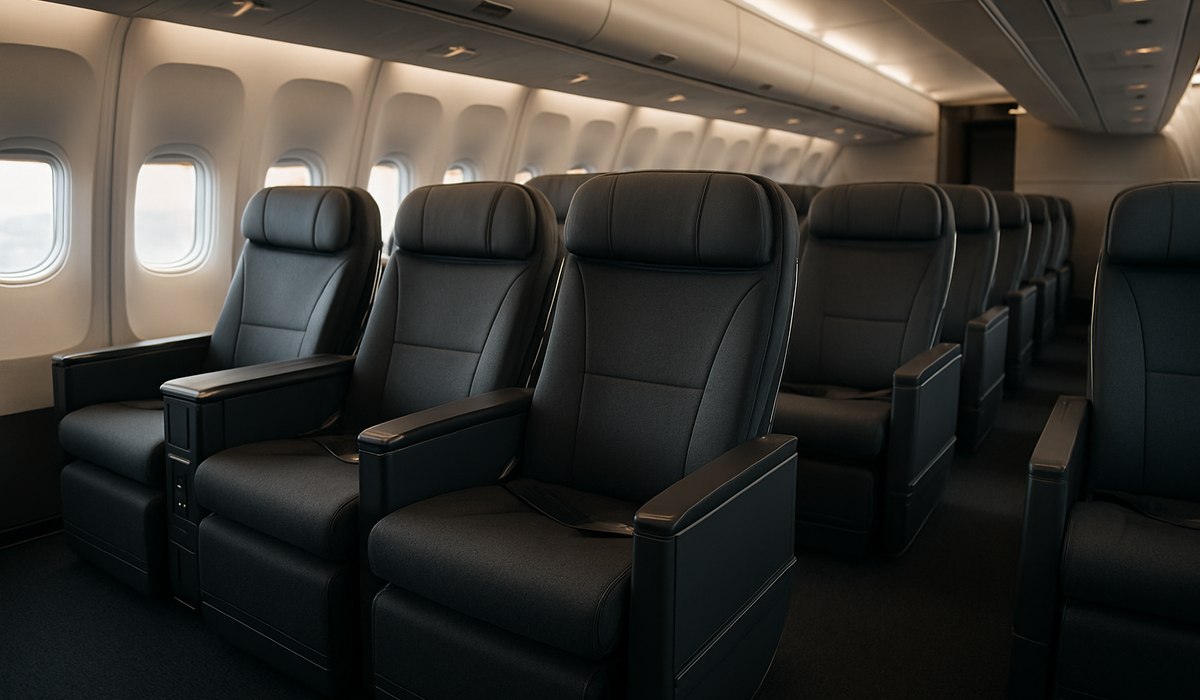
Image generated by AI
The End of All-Inclusive Premium Cabins
Delta Air Lines and United Airlines are fundamentally redesigning their premium fares in 2026, stripping away the traditional all-inclusive model that once defined business-class travel. What was once a bundled experience—seat, meal, baggage, lounge access—now fragments into separate, à la carte purchases. The physical aircraft cabins remain identical, but the service ecosystem has been dismantled, creating new complexities for frequent travelers, remote workers, and business passengers accustomed to predictable perks.
This structural shift reflects broader industry trends toward unbundled pricing. Airlines justify the change as offering flexibility and lower baseline fares for price-sensitive passengers. However, the practical impact reverses decades of premium cabin expectations. Travelers must now actively choose and pay for amenities their parents' generation received automatically.
Delta Comfort Basic Versus United Polaris Base: The Key Differences
Delta's Comfort Basic fare represents the airline's entry point into premium seating. This tier includes the wider seat and extra legroom but excludes several traditional perks. Complimentary meal service, priority boarding, and checked baggage allowances now require additional payment. Delta's frequent flyer elite members retain some automatic benefits, but even they face restrictions on which perks apply to Comfort Basic bookings.
United's new Polaris base fare operates on similar logic but with distinct execution. The seat itself qualifies as premium, yet basic Polaris passengers lose access to United's signature amenities: lounge access, meal quality tiers, and priority ground services. United does include one checked bag automatically, a competitive advantage over Delta's stripped-down approach.
The pricing disparity matters significantly. Both airlines position their base premium fares 15-25% below fully bundled legacy pricing. However, passengers who recreate the old bundled experience through à la carte purchases often exceed previous all-inclusive rates. This hidden cost structure particularly impacts business travelers on fixed expense budgets and remote workers managing per-diem limitations. For detailed tracking of current fares across both carriers, visit FlightAware to compare real-time pricing.
What Amenities Now Require À La Carte Purchase
The amenities dismantling extends across multiple service categories. Meal service, once a signature premium benefit, now operates on three tiers: basic (included), premium (paid upgrade), and luxury (elite member only). Beverage selections similarly stratify, with premium spirits and wine requiring payment beyond complimentary beer and soft drinks.
Ground services face equivalent unbundling. Priority baggage handling, once automatic in premium cabins, now costs $15-30 per segment. Seat selection priority—historically premium cabin standard—now divides into three tiers: basic (window/middle assigned), priority (aisle preferred), and elite (choice seat guaranteed). Lounge access, traditionally included in premium cabin tickets, now requires either elite status, day passes ($35-50), or annual memberships.
Priority boarding itself splits into multiple levels. Economy passengers board in groups 4-5, while premium basic passengers occupy groups 2-3 but behind elite frequent flyers. This layering creates confusion at gates and reduces the tangible benefit of premium seat purchases. Checked baggage policies shifted most aggressively: Delta now charges $35 per bag on Comfort Basic, while United includes one bag but charges for additional items.
Impact on Frequent Flyers and Remote Work Travelers
Frequent flyer elite members face mixed consequences from this restructuring. Diamond and Platinum tier members retain automatic amenities on premium cabin bookings, but the baseline tier—Comfort Basic and Polaris base—no longer guarantees traditional perks. This creates a two-tier system within premium cabins: paid-upgrade passengers and elite-status passengers occupying identical seats yet receiving divergent service.
Remote workers and digital nomads who depend on premium cabin comfort experience the sharpest impact. These passengers often book premium economy or low-tier premium cabins to access quiet environments and reliable power outlets. The amenity unbundling forces them to recalculate total journey costs before booking. A $400 premium cabin ticket becomes $550 after adding meal service, priority boarding, baggage fees, and lounge access—the features that justified premium pricing initially.
Business travelers on corporate expense accounts face administrative complexity. Expense policies written around the old bundled model no longer map cleanly to à la carte purchases. Finance teams must rewrite approval workflows and cost-per-segment calculations. This transition period creates ambiguity about what counts as necessary business expense versus discretionary upgrade.
For compliance information and passenger rights documentation, consult the US Department of Transportation and FAA regulations on airline service standards and disclosure requirements.
Critical Comparison Table: Fares United Delta Premium Offerings
| Feature | Delta Comfort Basic | United Polaris Base | Legacy Premium (2025) |
|---|---|---|---|
| Seat Width | 20.2 inches | 20.5 inches | 21+ inches |
| Legroom | 38 inches | 38.5 inches | 38+ inches |
| Checked Baggage | $35 per bag | 1 free, $35 additional | 2 free |
| Meal Service | À la carte | À la carte | Included |
| Lounge Access | Paid day pass | Paid day pass | Included |
| Priority Boarding | Group 2-3 | Group 2-3 | Group 1-2 |
| Beverage Service | Basic included | Basic included | Premium included |
| Amenity Kit | Not included | Not included | Included |
| Seat Selection | Standard fees | Standard fees | Priority |
How Remote Workers and Nomads Should Respond
Remote workers relying on premium cabin travel must reassess their booking strategy. The all-inclusive premium cabin no longer exists as an economic category. Instead, evaluate whether premium economy or economy plus seating with à la carte amenity purchases better suits your budget and travel frequency.
Delta and United both offer annual passes for frequent amenity purchases. Delta's baggage fee annual pass costs $70 and covers unlimited checked bags for one year. United's equivalent runs $65. For remote workers planning quarterly transcontinental travel, these annual passes create modest savings. Lounge access memberships ($195-495 annually) generate greater value if you spend 3+ hours monthly in airport terminal environments.
The pricing shift incentivizes route-specific flexibility. On shorter routes (under 3 hours), premium cabin amenities deliver diminished value since fewer services deploy. Regional carriers offering direct flights with economy seating may provide better value than premium cabins on shorter segments. Conversely, red-eye and extended-flight segments justify higher amenity costs given the time investment.
Frequent flyer status becomes increasingly valuable under this unbundled model. Elite members who automatically receive amenities on premium bookings gain substantial advantage over casual premium bookers. Concentrating your travel on one airline to accelerate elite status achievement now provides tangible financial benefits beyond lounge access alone.
Traveler Action Checklist
-
Compare total journey cost before booking premium fares. Add estimated meal service ($15-25), priority baggage ($35), and lounge access ($40 day pass) to baseline ticket price.
-
Evaluate your elite frequent flyer status. Check current tier on Delta or United websites to confirm which amenities transfer automatically to premium bookings.
-
Calculate annual savings from amenity passes. If planning 4+ premium cabin segments yearly with checked baggage, purchase annual baggage passes ($65-70).
-
Review your employer's expense policy. Confirm whether à la carte amenity purchases qualify as reimbursable business expenses or count toward personal spending limits.
-
Assess route-specific value. On flights under
Disclaimer
This article is for informational and educational purposes only. It does not constitute legal, financial, or professional advice. While we strive to provide accurate and up-to-date information, travel policies, regulations, and conditions change rapidly. Always verify information with official sources before making travel decisions. Nomad Lawyer makes no representations about the accuracy, reliability, completeness, or suitability of the information provided. Readers should consult qualified professionals for advice specific to their circumstances. The views expressed in this article are those of the author and do not necessarily reflect the views of Nomad Lawyer.
Kunal K Choudhary
Co-Founder & Contributor
A passionate traveller and tech enthusiast. Kunal contributes to the vision and growth of Nomad Lawyer, bringing fresh perspectives and driving the community forward.
Learn more about our team →