
Delta Flight DL2297 Diversion Highlights Las Vegas Eco-Trend
Delta Flight DL2297's diversion to Las Vegas highlights a rising travel trend in the Southwest, where visitors explore eco-conscious desert tourism in 2026.

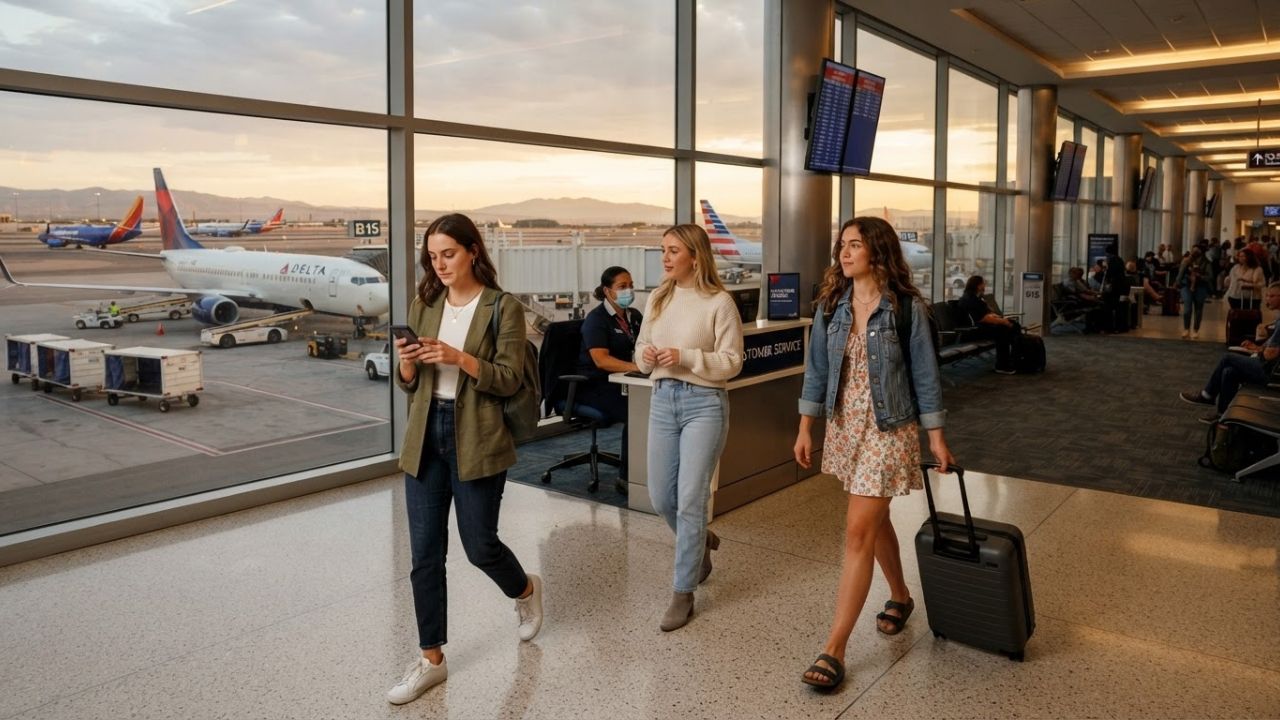
Image generated by AI
How a Delta Flight DL2297 Diversion to Las Vegas Highlights the Rise of Sustainable Desert Tourism in the Southwest in 2026
A recent flight diversion to Nevada's primary air gateway highlights a broader travel shift across the American Southwest. Visitors are increasingly looking past the neon of the Strip to support eco-conscious exploration and community-centered heritage programs in the Mojave Desert.
The Local Trend Revealed
When Delta Air Lines Flight DL2297 from Minneapolis to Phoenix was redirected to Harry Reid International Airport in Las Vegas on July 13, 2026, it demonstrated the city's role as a major transit anchor. The Boeing 737-900 departed Minneapolis–Saint Paul International Airport at 6:49 p.m. CDT from Gate C9, carrying passengers bound for Arizona, before operational adjustments prompted a landing at Gate F11 in Las Vegas at 8:33 p.m. PDT. Such operational decisions are typical of the flexibility required in aviation, much like another recent diversion where flight DL1733, an Airbus A321-211 from Atlanta to Orlando, diverted to Jacksonville International Airport.
These diversions, overseen by flight dispatchers and monitored under guidelines from the Federal Aviation Administration (FAA), do more than alter routes. They bring travelers directly into a region experiencing a significant shift in its travel identity. In 2026, Southern Nevada is witnessing a surge in demand for outdoor recreation, native heritage appreciation, and conservation-based activities that offer an alternative to traditional resort entertainment.
Rather than viewing the Mojave Desert as a backdrop for resort travel, visitors are exploring the region with a focus on conservation. State and federal agencies are adapting to this trend by expanding trail access, improving educational exhibits, and introducing reservation systems to manage visitor volume at popular environmental sites.
Cultural & Environmental Value (Information Gain)
This shift in travel preferences supports local communities and funds environmental preservation. The Bureau of Land Management (BLM) and local partners like the Southern Nevada Conservancy use visitor fees from sites like Red Rock Canyon to restore native vegetation, protect the habitat of the threatened desert tortoise, and maintain trails.
By directing tourism dollars toward these conservation efforts, travelers contribute to the long-term protection of the fragile desert environment. Additionally, cultural sites like the Springs Preserve offer interactive exhibits on water conservation and desert survival, educating visitors on the challenges of desert living.
This eco-conscious trend also supports the local economy. In outlying areas like Moapa Valley and Goodsprings, small businesses, family-owned diners, and local guides benefit from travelers seeking rural Nevada experiences. Supporting these establishments keeps tourism revenue within the communities that steward the surrounding public lands.
Visitor Insider Tips
For travelers looking to explore the natural side of Southern Nevada, local specialists recommend these practical guidelines:
- Off-Peak Visit Windows: Summer temperatures in the Mojave Desert regularly exceed 100°F (38°C). Plan visits for the cooler months between October and April. If visiting popular sites like Red Rock Canyon, arrive before 8:00 a.m. to beat the midday heat and secure parking.
- Cultural Etiquettes: Much of the surrounding desert holds deep significance for indigenous communities, including the Southern Paiute. Always stay on marked trails, never touch or disturb petroglyphs, and respect private tribal lands.
- Local Dining Specialties: Discover the food scene in the Las Vegas Arts District or historic Boulder City. Try regional dishes like cactus-pad (nopales) street tacos or mesquite-smoked meats, which use traditional desert ingredients.
- Hidden Under-the-Radar Spots: Avoid the crowds by visiting Tule Springs Fossil Beds National Monument. Located in North Las Vegas, this quiet park preserves Ice Age fossils, offering a peaceful look at the region’s ancient environment.
Tourism Outlook
The rise of sustainable travel is expected to shape Southern Nevada’s economy for years to come. The Las Vegas Convention and Visitors Authority (LVCVA) has recognized the value of eco-tourism, incorporating desert conservation into its regional marketing strategies for 2026 and beyond.
As clean energy projects and water-saving technologies continue to expand throughout the state, the tourism sector is aligning with broader environmental goals. Encouraging travelers to respect the desert environment helps ensure that Southern Nevada remains a vibrant, diverse destination for future generations.
FAQ: Las Vegas Sustainable Tourism 2026
What is the best time of year to visit Red Rock Canyon?
The best times are early spring and late fall when temperatures are mild. Early morning visits are recommended to avoid peak crowds and secure entry reservations.
How does visiting local conservation sites support the local economy?
Fees and donations at conservation sites fund trail maintenance and wildlife protection programs managed by regional organizations, directly benefiting rural and indigenous communities.
Do I need a reservation to visit Tule Springs Fossil Beds?
No reservations are required to visit Tule Springs Fossil Beds National Monument, but visitors are advised to check guidelines before exploring the fossil beds.
Related Travel Guides
Emirates Widebody Cabin Retrofit Milestone
Middle East Flight Suspensions and Route Changes July 2026
10 Best Scenic Flights in the Southwest, According to Reddit
Disclaimer
This article is for informational and educational purposes only. It does not constitute legal, financial, or professional advice. While we strive to provide accurate and up-to-date information, travel policies, regulations, and conditions change rapidly. Always verify information with official sources before making travel decisions. Nomad Lawyer makes no representations about the accuracy, reliability, completeness, or suitability of the information provided. Readers should consult qualified professionals for advice specific to their circumstances. The views expressed in this article are those of the author and do not necessarily reflect the views of Nomad Lawyer.
Kunal K Choudhary
Co-Founder & Contributor
A passionate traveller and tech enthusiast. Kunal contributes to the vision and growth of Nomad Lawyer, bringing fresh perspectives and driving the community forward.
Learn more about our team →