
Delta Air Lines Leads US Flight Cancellations for Second Day Amid ATL Ground Stops and Staffing Shortages 2026
Delta Air Lines recorded the highest number of flight cancellations among US carriers for two consecutive days, driven by FAA ground stops at Hartsfield-Jackson Atlanta International Airport and critical staffing shortages.

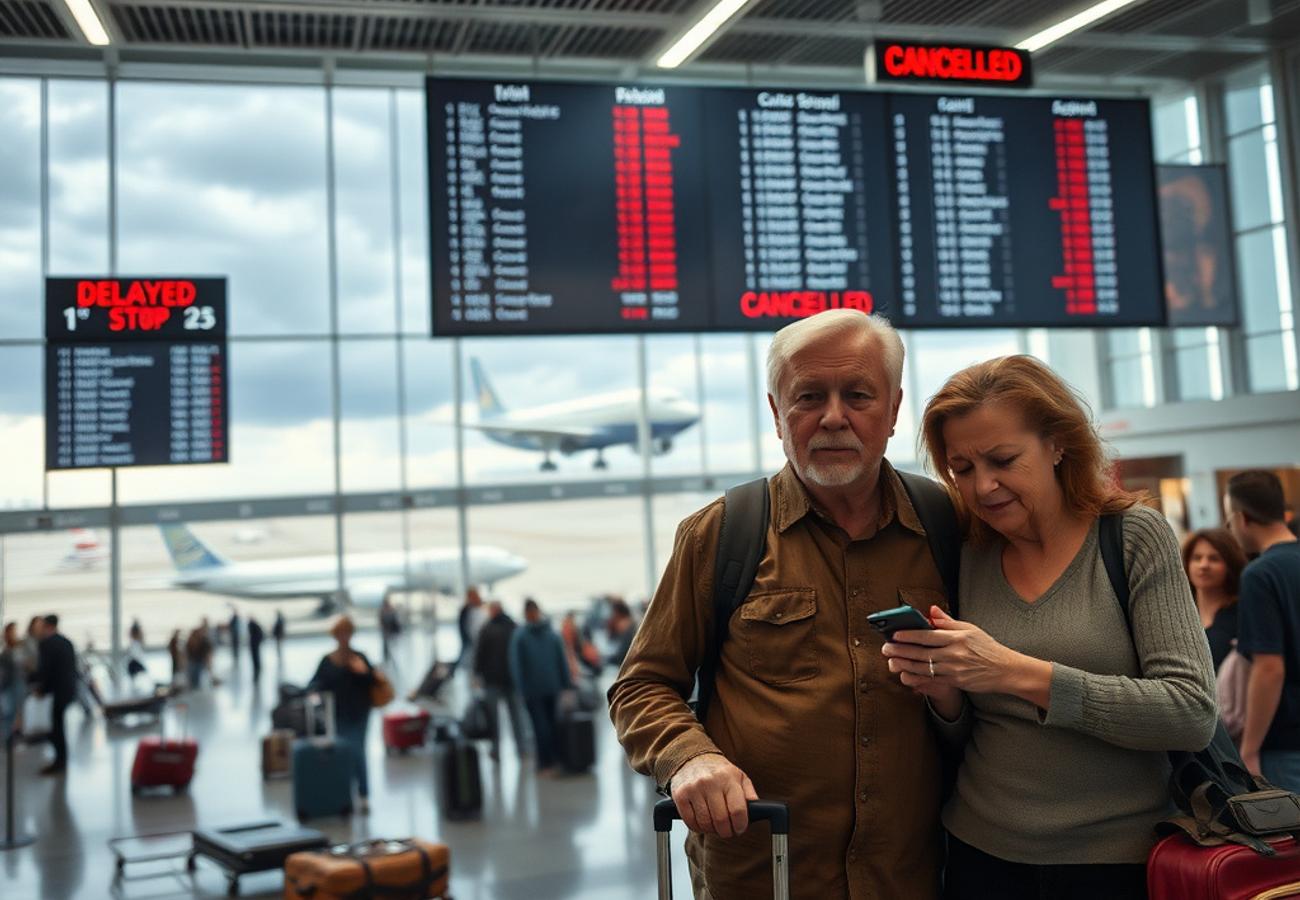
Image generated by AI
Delta Air Lines recorded the highest volume of flight cancellations among U.S. carriers for two consecutive days, as operational failures at its primary hub coincided with reported crew shortages.
Operational instability at Hartsfield-Jackson International Airport (ATL) peaked over the weekend of July 11-12, 2026. The disruption was triggered by a combination of severe weather and systemic staffing gaps, forcing the Federal Aviation Administration (FAA) to implement ground stops and delays.
The crisis began on July 11 when thunderstorms prompted a 90-minute ground stop at ATL. This initial disruption positioned the airport as the leading U.S. hub for departing flight cancellations. The instability persisted into Sunday, July 12, with the FAA issuing further ground delays that averaged 43 minutes per flight.
Because ATL serves as Delta's primary global hub, the airline bore the brunt of the volatility. FlightAware data indicates Delta suffered 1,373 delays worldwide during this window, the second-highest count globally.
US Airline Cancellation Data: July 12, 2026
The following data outlines the scale of the disruptions on July 12, highlighting Delta's position as the most impacted carrier.
| Rank | Airline | Cancellations |
|---|---|---|
| 1 | Delta Air Lines | 99 |
| 2 | American Airlines | 51 |
| 3 | PSA Airlines | 40 |
| 4 | JetBlue | 34 |
| 5 | EnvoyAir | 34 |
Staffing Shortages vs. Weather Disruptions
While Delta leadership, including CEO Ed Bastian, has emphasized improving responses to weather-related events, passenger reports suggest a deeper operational failure. Market data and passenger testimonials indicate that weather was not the sole driver of the chaos.
Industry observers note a recurring theme of "inadequate crew staffing." For example, a Platinum Medallion member reported a cancellation on a flight from Denver (DEN) to Atlanta (ATL) specifically attributed to staffing shortages rather than weather. This suggests a fragility in Delta's crew scheduling that exacerbates the impact of FAA ground stops.
The ripple effect was evident in the rebooking process. Passengers reported missing critical connections, with some flights remaining on the runway for 20 minutes waiting for available gates at ATL.
Early Monday Recovery Status
As of July 13, the trend showed slight improvement, though systemic instability remains. Early Monday morning data indicates:
- Delta Air Lines: 23 cancellations.
- ATL Airport: 27 total cancellations.
- American Airlines: 27 cancellations (leading US carriers on July 13).
- DFW Airport: Currently the most canceled airport worldwide for arrivals due to separate weather-related ground stops and delays.
This volatility follows a broader pattern of disruption for Delta, which recently faced similar challenges at LaGuardia and John F. Kennedy International airports.
Why This Matters
The convergence of FAA-mandated ground stops and internal staffing shortages reveals a critical vulnerability in the "hub-and-spoke" model. When a primary hub like ATL suffers a 90-minute halt, the lack of reserve crew members creates a mathematical impossibility for rapid recovery.
For the aviation industry, this highlights that "weather" is often a catalyst rather than the root cause. The data suggests that Delta's inability to absorb minor weather delays without cascading into massive cancellations is a symptom of lean staffing levels. For high-value passengers (Platinum Medallion/Million Milers), the failure to prioritize recovery for top-tier loyalty members during these crises could lead to long-term attrition.
Industry Outlook
Expect Delta to accelerate investments in crew management software and reserve staffing buffers to prevent a repeat of the July 11-12 collapse. However, with other major carriers like American Airlines facing similar ground stop issues at DFW, the industry is likely entering a period of heightened volatility. Passengers should anticipate increased "irregular operations" (IROPS) as airlines struggle to balance cost-cutting staffing models with the unpredictability of summer weather patterns.
Delta continues to struggle with the balance between operational efficiency and systemic resilience.
Related Travel Guides
Disclaimer
This article is for informational and educational purposes only. It does not constitute legal, financial, or professional advice. While we strive to provide accurate and up-to-date information, travel policies, regulations, and conditions change rapidly. Always verify information with official sources before making travel decisions. Nomad Lawyer makes no representations about the accuracy, reliability, completeness, or suitability of the information provided. Readers should consult qualified professionals for advice specific to their circumstances. The views expressed in this article are those of the author and do not necessarily reflect the views of Nomad Lawyer.
Preeti Gunjan
Contributor & Community Manager
A passionate traveller and community builder. Preeti helps grow the Nomad Lawyer community, fostering engagement and bringing the reader experience to life.
Learn more about our team →