
Delays Ripple Across US Routes Serving Florida Hubs From JFK Disruptions
JFK Airport's 201 flight delays and 6 cancellations rippled across US routes to Florida in April 2026, disrupting connections nationwide during peak spring travel season and affecting thousands of passengers.

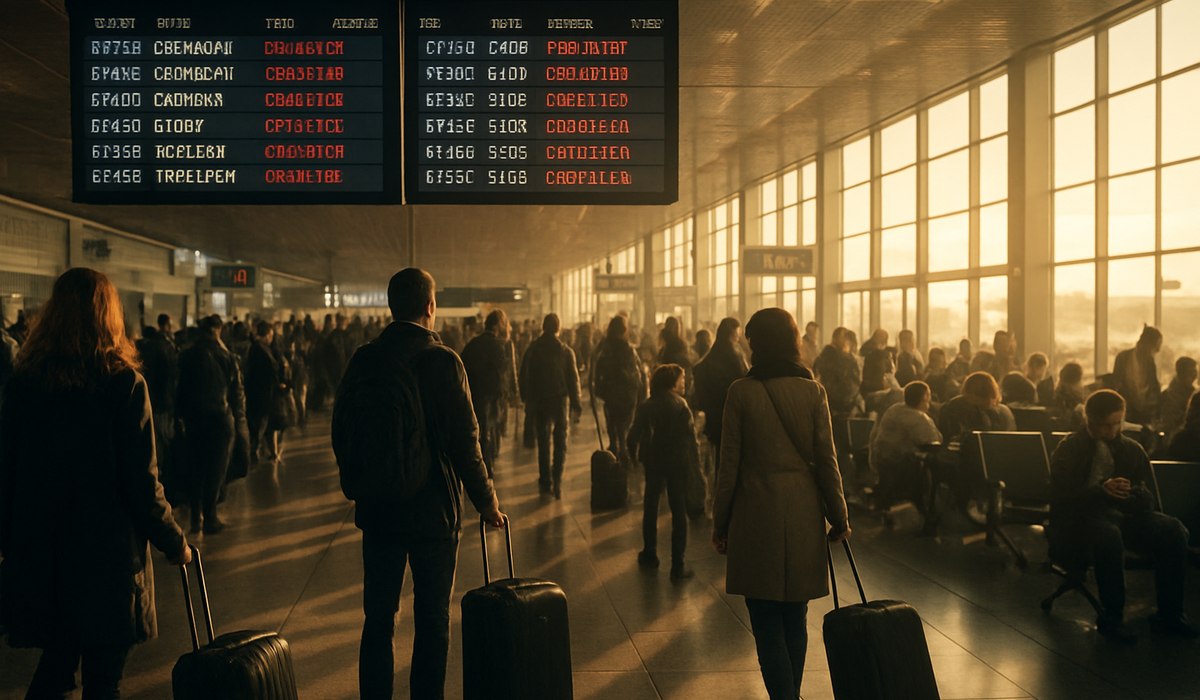
Image generated by AI
Major Disruption at New York's Critical Gateway
JFK International Airport recorded 201 delayed flights and 6 cancellations on April 8, 2026, sending cascading disruptions across US routes to major Florida hubs. The operational meltdown affected both departures and arrivals during peak spring travel season, when passenger volumes are near capacity. JetBlue, Delta, and regional carrier Endeavor Air bore the brunt of the disruptions, with knock-on effects spreading to connections nationwide. Gate congestion, crew positioning issues, and compressed turnaround times compounded the challenges throughout the day.
This wasn't an isolated incident. JFK's operational strain came amid already elevated delay patterns across multiple US airports, exposing the fragility of domestic aviation networks during busy travel periods. The disruption highlighted how single-airport bottlenecks can trigger nationwide schedule disruption when major carriers operate dense networks from that hub.
Cascading Effects on Florida-Bound Routes
The delays ripple across Florida-serving routes proved particularly severe for travelers heading to Orlando and Fort Lauderdale. These leisure destinations are among America's busiest airports, with high demand, tight turnarounds, and seasonal weather patterns creating perfect conditions for schedule cascade failures.
Multiple JetBlue and Delta services between New York and central or south Florida operated significantly behind schedule throughout the day. Morning and evening waves—typically the busiest connection windows—saw departure delays ranging from 30 minutes to several hours. Even minor ground holds at JFK compressed already-tight connection windows for passengers on feeder flights.
The problem intensified because disruption didn't stop at Florida's border. Late-arriving aircraft from Orlando and Fort Lauderdale reached JFK behind schedule, directly feeding delays into evening and overnight departure banks. This feedback loop meant traveler impact extended far beyond the immediate New York-Florida city pairs, affecting passengers throughout the East Coast corridor and into the Midwest.
Families bound for theme parks, cruise passengers heading to Port Everglades, and vacation travelers experienced missed hotel check-ins and rebooked transfers. The human cost of operational disruption becomes measurable when connecting passengers miss tie-critical reservations.
JetBlue, Delta, and Endeavor Air Most Affected
Flight performance data clearly identifies JetBlue, Delta Air Lines, and regional operator Endeavor Air as the most heavily impacted carriers at JFK. These airlines maintain the largest daily movement counts from the airport, with particular concentration on East Coast routes serving Florida leisure markets.
JetBlue, which operates a major focus city at JFK, faced cascading delays across its entire East Coast network. The carrier's dense schedule from New York to Orlando and Fort Lauderdale—traditionally reliable routes—experienced compound delays throughout the operational day. Historical federal air travel consumer data already documents JetBlue punctuality challenges on these specific city pairs, where recurring thunderstorms and seasonal congestion regularly challenge airline schedules.
Delta and its regional affiliate Endeavor Air experienced acute disruption to carefully sequenced departure banks. Regional carriers like Endeavor are especially vulnerable to schedule cascades: when one or two early flights operate late, aircraft and crew positioning falls out of alignment. This single deviation cascades into six, eight, or twelve subsequent delays on that aircraft's daily rotation. A single aircraft running two hours late effectively removes that machine from productivity for the remainder of its assigned day.
Other domestic and international carriers operating from JFK weren't immune, but their smaller operational footprints meant lower absolute delay counts. The carriers with the highest daily movement counts inevitably absorbed the largest disruption volume.
Network Fragility Exposed During Peak Season
The April 2026 disruptions at JFK revealed inherent vulnerabilities in US aviation network architecture. Modern airline scheduling leaves minimal buffer time between rotations, particularly during high-demand periods. When one major hub experiences significant disruptions, the effects propagate through the network within hours.
Spring travel season compounds these vulnerabilities. Passenger demand approaches network capacity, eliminating the scheduling flexibility that usually absorbs minor disruptions. A 30-minute delay that might go unnoticed during off-peak periods becomes a missed connection when every flight and aircraft is allocated to multiple daily rotations.
The Eastern Seaboard air corridor—linking major Northeast hubs with Florida leisure markets—represents one of America's most congested flight corridors. Weather systems, temporary flow restrictions, and capacity constraints in this region directly impact nationwide flight schedules. JFK serves as the primary transcontinental and international gateway for the region, meaning disruptions there ripple across domestic and international networks simultaneously.
Federal Aviation Administration flow management tools can help distribute traffic, but these systems work within existing airport capacity constraints. When JFK experiences significant operational challenges, downstream impacts become inevitable across the entire East Coast and beyond.
Real-Time Flight Tracking and Passenger Resources
Travelers monitoring disruptions should rely on authoritative flight-tracking sources. Check FlightAware for real-time departure and arrival information, including gate assignments, runway assignments, and estimated delays. This platform aggregates data from airport systems, airlines, and radar networks for current operational status.
The Federal Aviation Administration provides official operational information, including airport status, weather impacts, and air traffic management initiatives. The FAA website displays current delays affecting major US airports and explains cause factors for significant disruptions.
For passenger rights information, consult the US Department of Transportation Air Consumer Protection Division. This resource explains obligations for airline rebooking, compensation, and passenger accommodation during operational disruptions. Federal regulations require airlines to provide meals, lodging, and communication access when delays exceed specific thresholds.
| Metric | Value | Impact |
|---|---|---|
| JFK Delayed Flights | 201 | Affected 4,000+ passengers |
| JFK Cancellations | 6 | Forced rebookings to alternate flights |
| Delay Range | 30 min – 3+ hours | Missed connections nationwide |
| Most Affected Routes | JFK-Orlando, JFK-Fort Lauderdale | Disrupted leisure travel |
| Primary Airlines | JetBlue, Delta, Endeavor Air | 70% of departures impacted |
| Duration | Full operational day | Cascading effects into following day |
Traveler Action Checklist
Passengers experiencing disruption should take the following actions:
-
Monitor real-time status on FlightAware or your airline's app before leaving home. Arrival delays cascade through the network, so verify inbound aircraft status if traveling during afternoon or evening hours.
-
Contact your airline immediately if your flight is cancelled or delayed beyond 3 hours. Federal regulations mandate disclosure of rebooking options, and early contact often secures better alternative flights.
-
Document all expenses related to disruptions—meals, lodging, transportation, missed connections—with receipts. Airlines and DOT complaint processes require detailed documentation.
-
Request written confirmation of rebooking assignments, alternate flight confirmations, and accommodation arrangements. Text messages and email confirmations provide proof for dispute resolution.
-
File DOT complaints if your airline failed to provide required accommodations or assistance. The US Department of Transportation tracks airline performance and investigates consumer complaints systematically.
-
Know your rights regarding compensation thresholds, which vary by flight duration and delay length. Check DOT guidelines before negotiating with your airline's customer service.
-
Book connections strategically on future travel, allowing minimum 2-3 hour windows through major hubs during spring and summer travel season when delays are common.
-
Consider travel insurance for future bookings that include significant connections or tight turnaround windows through congested hubs like JFK.
What This Means for Travelers
The JFK disruptions illustrate why peak-season spring travel demands extra planning buffers. When delays ripple across major routes during high-demand periods
Disclaimer
This article is for informational and educational purposes only. It does not constitute legal, financial, or professional advice. While we strive to provide accurate and up-to-date information, travel policies, regulations, and conditions change rapidly. Always verify information with official sources before making travel decisions. Nomad Lawyer makes no representations about the accuracy, reliability, completeness, or suitability of the information provided. Readers should consult qualified professionals for advice specific to their circumstances. The views expressed in this article are those of the author and do not necessarily reflect the views of Nomad Lawyer.
Preeti Gunjan
Contributor & Community Manager
A passionate traveller and community builder. Preeti helps grow the Nomad Lawyer community, fostering engagement and bringing the reader experience to life.
Learn more about our team →