
Delayed International Flights From Australia Ranked: 2026 Data Analysis
New 2026 analysis of delayed international flights from Australia reveals Melbourne Airport leads disruption rankings, while Sydney achieves 95% on-time performance. Discover which routes face chronic delays and how to plan accordingly.

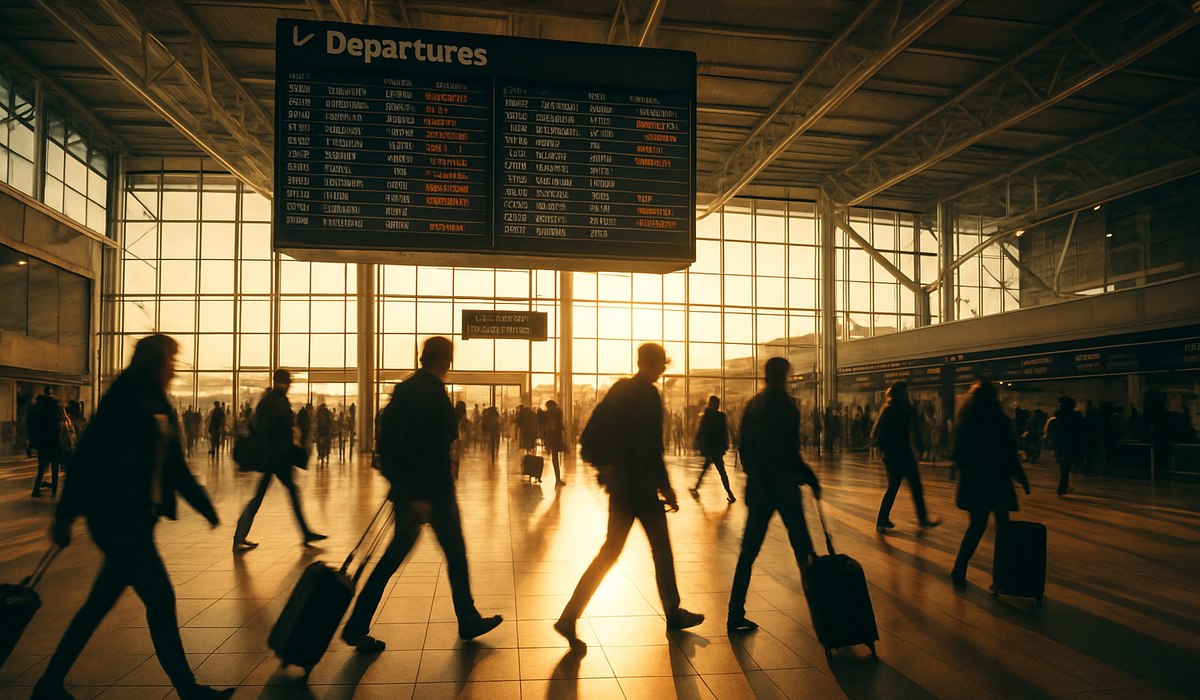
Image generated by AI
Melbourne Airport Leads Australia's Most Delayed International Flights Problem
Melbourne Airport tops Australia's delayed international flights rankings in 2026, according to comprehensive aviation data analysis. Recent performance metrics from the nation's busiest aviation hubs reveal which international routes consistently underperform and which airports deliver reliability for travelers. Nearly 64 million passengers traversed Australia's airports throughout 2025, traveling across more than 674,000 flights. This massive dataset provides unprecedented insight into which delayed international flights plague Australian travelers most frequently.
Australia's Most Delayed International Flights Ranked
The persistent challenge of delayed international flights affects multiple routes from Australian airports. Air Niugini's Brisbane to Port Moresby service tops the disruption list, averaging 27 minutes behind schedule. Air India's Melbourne to Delhi route follows closely with consistent 25-minute delays.
Perth and Brisbane airports also register significant delays on several international routes. The Perth to Ho Chi Minh City route operated by Vietjet averages 19-minute delays, while Sydney to Christchurch flights with Qantas experience similar disruption patterns. Malaysia Airlines' Perth to Kuala Lumpur service and Qantas' Brisbane to Honiara route each average approximately 18 minutes of delay.
Rounding out the most problematic delayed international flights are Melbourne to Los Angeles with Qantas and Melbourne to Colombo with SriLankan Airlines, both typically running 15 minutes behind schedule. These patterns persist despite operational improvements across Australia's aviation sector. Understanding these trends helps travelers adjust expectations and plan connections strategically.
Which Airports Perform Best for Reliability
Sydney Airport stands as Australia's reliability champion, with 95 percent of international flights operating on time or earlier than scheduled. This exceptional performance contrasts sharply with other major hubs experiencing delayed international flights regularly.
China Eastern's Brisbane to Shanghai service delivers the most impressive early arrival record, landing an average of 40 minutes ahead of schedule. Qatar Airways' Perth to Doha route typically arrives 33 minutes early, demonstrating exceptional consistency.
Several other routes maintain outstanding reliability records. China Southern's Sydney to Guangzhou service and Thai Airways' Perth to Bangkok route both average 32-minute early arrivals. Qatar Airways' Melbourne to Doha flight and Thai Airways' Melbourne to Bangkok service each clock approximately 31 minutes ahead of schedule.
Additional reliable routes include Melbourne to Singapore with Singapore Airlines (24 minutes early), Brisbane to Dubai with Emirates (24 minutes early), and Brisbane to Taipei with EVA Air (22 minutes early). These consistent early arrivals suggest superior operational efficiency and scheduling practices. For travelers prioritizing punctuality, selecting these routes significantly improves travel experience quality.
Why Certain Routes Face Consistent Delays
Multiple factors contribute to delayed international flights from Australian airports. Weather patterns affecting specific routes, seasonal operational challenges, and international airport capacity constraints play significant roles in scheduling disruptions.
Staffing levels within airlines and ground handling services directly impact delayed international flights. Some carriers struggle with crew scheduling during peak travel periods, while others maintain robust operational redundancy. Aircraft maintenance schedules occasionally necessitate equipment swaps that create cascading delays.
International coordination challenges also cause delayed international flights. Airlines must synchronize with destination airport operations, air traffic control delays in foreign jurisdictions, and connecting flight schedules. Routes serving developing nations' airports sometimes experience additional delays due to infrastructure limitations or less predictable ground operations.
Seasonal demand fluctuations influence delay patterns significantly. Peak travel seasons increase airport congestion, multiplying delayed international flights. Airlines operating thinner margins on less profitable routes may schedule tighter turnarounds, reducing recovery time from minor disruptions.
Tips for Avoiding the Worst-Performing Routes
Travelers can minimize delayed international flights by strategically selecting departure times and routes. Booking early morning departures generally provides better on-time performance, as afternoon and evening delayed international flights occur more frequently.
Selecting airlines with strong reliability records matters substantially. Research specific carriers' performance on your intended route before booking. Some delayed international flights result from specific airline operational challenges rather than route characteristics.
Building connection buffer time proves essential when connecting through Australian airports after international arrivals. Allowing three-hour minimums for international connections provides safety margins against delayed international flights impacting subsequent journeys.
Consider routing through Sydney Airport when possible, given its 95-percent on-time performance advantage. Although Sydney may not serve all destinations directly, connections through this reliable hub often prove more efficient than alternatives.
Purchasing travel insurance that covers delays becomes valuable protection, especially on routes with chronic delayed international flights. Some policies provide compensation for extended delays or missed connections.
Monitor real-time flight tracking through FlightAware during your travel period. Real-time alerts enable proactive rebooking decisions before delayed international flights cascade through your itinerary.
Traveler Action Checklist
- Review delayed international flights data for your specific route before booking flights
- Compare on-time performance records between competing airlines serving your destination
- Book early morning departures to minimize delayed international flights exposure
- Build minimum three-hour connection buffers for international transfers
- Select routes through Sydney Airport when routing flexibility permits
- Purchase comprehensive travel delay insurance covering delayed international flights scenarios
- Install FlightAware or similar tracking apps for real-time delay monitoring
- Contact your airline 24 hours before departure to confirm current delayed international flights status
- Document delays and disruptions for compensation claims under passenger rights legislation
- Review passenger rights information from transportation authorities before travel
Data Overview: Australia's Delayed International Flights Performance
| Route | Airline | Average Delay | Airport Hub |
|---|---|---|---|
| Brisbane–Port Moresby | Air Niugini | 27 minutes late | Brisbane |
| Melbourne–Delhi | Air India | 25 minutes late | Melbourne |
| Perth–Ho Chi Minh City | Vietjet | 19 minutes late | Perth |
| Sydney–Christchurch | Qantas | 19 minutes late | Sydney |
| Perth–Kuala Lumpur | Malaysia Airlines | 18 minutes late | Perth |
| Brisbane–Honiara | Qantas | 18 minutes late | Brisbane |
| Melbourne–Los Angeles | Qantas | 15 minutes late | Melbourne |
| Melbourne–Colombo | SriLankan Airlines | 15 minutes late | Melbourne |
| Brisbane–Shanghai | China Eastern | 40 minutes early | Brisbane |
| Perth–Doha | Qatar Airways | 33 minutes early | Perth |
What This Means for Travelers
Understanding delayed international flights patterns enables smarter travel planning and realistic expectation setting. Passengers experiencing chronic delays on specific routes should factor additional travel time into journey calculations, particularly when connecting to domestic flights or time-sensitive appointments.
Airlines operating routes with consistent delayed international flights records should face pressure to improve service quality. Passengers can leverage delay data when lodging complaints or seeking compensation under Australian aviation consumer protection regulations.
Travel professionals benefit significantly from this delayed international flights analysis. Itinerary planners can adjust connection times based on route-specific performance data, reducing missed flight incidents and client dissatisfaction. Recommending reliable routes like Brisbane to Shanghai or Perth to Doha improves overall customer experience metrics.
Compensation opportunities exist for qualifying delayed international flights under passenger rights legislation. Understanding your route's delay history helps determine whether pursuing compensation claims proves worthwhile. Most Australian domestic and international carriers maintain compensation policies for delays exceeding regulatory thresholds.
Frequently Asked Questions
What compensation am I entitled to for delayed international flights?
Passengers on delayed international flights may qualify for compensation under Australian Consumer Law and international regulations. The Department of Infrastructure can provide specific guidance on your rights. Visit US DOT for comprehensive passenger protection information, and consult your
Kunal K Choudhary
Co-Founder & Contributor
A passionate traveller and tech enthusiast. Kunal contributes to the vision and growth of Nomad Lawyer, bringing fresh perspectives and driving the community forward.
Learn more about our team →