
Dallas Love Field Flight Chaos: 108 Delays and 12 Cancellations Disrupt Southwest, Delta, JSX Across Atlanta, Orlando, Houston
Dallas Love Field airport experienced severe travel disruptions with 108 flight delays and 12 cancellations, primarily affecting Southwest Airlines operations across major U.S. routes.

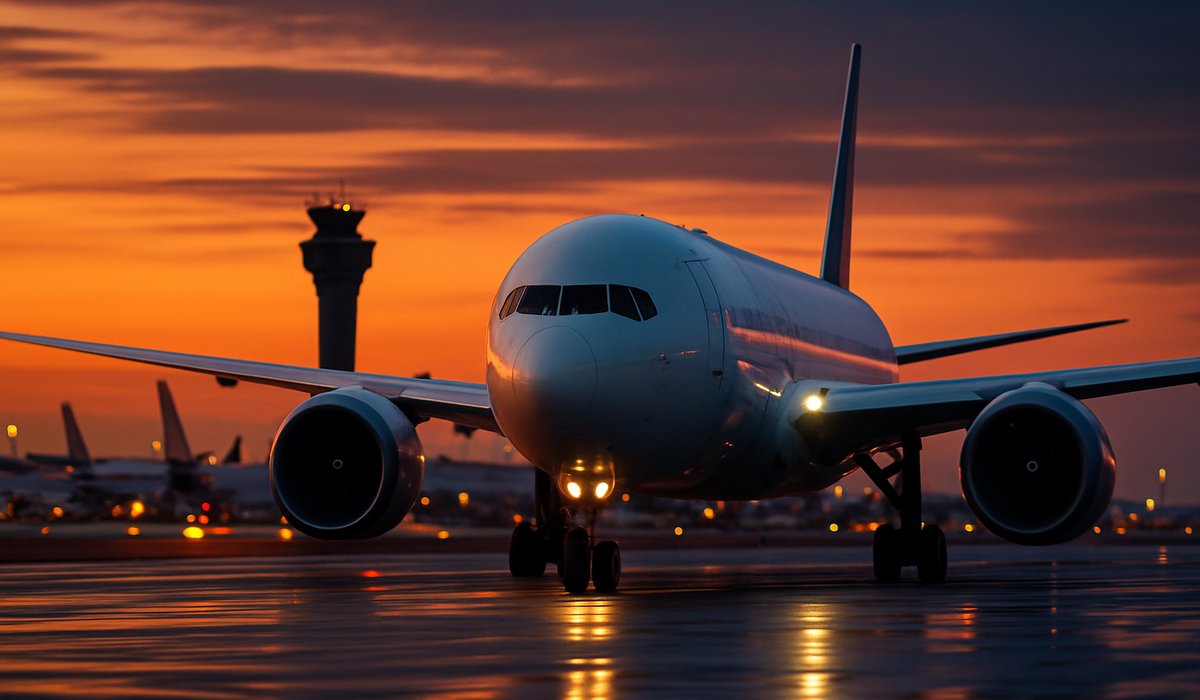
Image generated by AI
A massive wave of travel disruptions swept across the United States on April 5, 2026, as Dallas Love Field airport became the epicenter of operational chaos, recording 108 flight delays and 12 cancellations that rippled across the nation's busiest domestic routes. Southwest Airlines bore the brunt of the crisis, accounting for nearly all disruptions at the Texas hub, while secondary impacts cascaded through major metropolitan airports including Hartsfield-Jackson Atlanta International Airport, Orlando International Airport, William P. Hobby Airport in Houston, and Chicago Midway International Airport. Thousands of passengers faced extended wait times, missed connections, and uncertainty as the delay-dominated disruption unfolded throughout the day, transforming what should have been routine travel into a travel nightmare for commuters and leisure travelers alike.
The operational meltdown at Dallas Love Field created a domino effect across the southeastern and central United States, with the airport's critical role in domestic connectivity amplifying the overall impact. Southwest Airlines, the dominant carrier at Dallas Love Field, reported 12 cancellations and 100 delays, making it responsible for the overwhelming majority of disruptions at the hub. Delta Air Lines followed with 5 delays and no cancellations, while JSX recorded 3 delays, indicating that the disruption remained heavily concentrated within Southwest's extensive network. The concentration of delays over cancellations suggested that airlines opted to postpone flights rather than cancel them outright, a strategy that maintained network continuity but resulted in prolonged travel times and cascading schedule complications for passengers throughout the day.
The ripple effects extended far beyond Dallas, with major U.S. airports experiencing secondary disruptions linked directly to Dallas Love Field operations. Hartsfield-Jackson Atlanta International Airport, one of the world's busiest aviation hubs, saw multiple inbound and outbound flights affected as connections from Dallas were delayed or canceled. Orlando International Airport, a critical gateway for leisure travel and tourism, reported significant scheduling interruptions as passengers attempting to reach Florida destinations faced extended delays. William P. Hobby Airport in Houston and Chicago Midway International Airport similarly experienced cascading delays as the Dallas-based disruption propagated through Southwest's interconnected route network. These cities play essential roles in domestic connectivity, and their involvement in the disruption pattern underscored how localized issues at a major hub can quickly extend to multiple metropolitan areas, affecting tourism, business travel, and overall economic activity across regions.
For travelers caught in the chaos, the day presented significant challenges requiring immediate action and careful monitoring. Passengers were advised to stay continuously updated on flight status through official airline apps and airport communication channels, as schedules changed dynamically throughout the day. Those experiencing extended delays were encouraged to contact airline customer support proactively to explore rebooking options, particularly for flights delayed beyond reasonable timeframes. Arriving early at the airport and allowing substantial buffer time became critical, as delays cascaded through boarding processes and gate assignments. Passengers with connecting flights through highly impacted airports like Dallas, Atlanta, and Orlando were urged to monitor their itineraries closely and check eligibility for compensation or travel waivers, as some airlines offered flexibility during operational disruptions. Keeping essential items including medications, chargers, and important documents in carry-on baggage proved invaluable for those facing extended waiting periods at terminals.
The disruption pattern highlighted the vulnerability of the U.S. aviation system to localized operational challenges at major hubs. According to the Federal Aviation Administration (FAA), flight delays and cancellations at primary hubs like Dallas Love Field can trigger system-wide effects that impact hundreds of flights across multiple states. Southwest Airlines' dominant presence at Dallas Love Field, combined with its extensive domestic network, made the carrier particularly susceptible to operational disruptions that quickly extended to cities nationwide. The International Air Transport Association (IATA) emphasizes that such disruptions underscore the importance of robust operational resilience and contingency planning within the aviation industry. Despite the scale of delays recorded on April 5, the relatively contained number of cancellations suggested that operational teams worked to maintain network integrity, though at the cost of significantly extended travel times for affected passengers.
The broader implications of this travel disruption extended beyond immediate passenger inconvenience to impact tourism, business operations, and economic activity across affected regions. Leisure travelers heading to Orlando faced missed hotel check-ins and disrupted vacation schedules, while business professionals attempting to reach Atlanta and Houston experienced missed meetings and compromised productivity. The cascading nature of the disruptions demonstrated how a single airport's operational challenges can affect thousands of passengers across multiple states within hours. As the aviation industry continues to navigate post-pandemic recovery and increased passenger volumes, incidents like those at Dallas Love Field on April 5 serve as critical reminders of the need for enhanced operational planning, real-time communication systems, and passenger support mechanisms during periods of disruption.
What Travelers Should Do During Flight Disruptions: Monitor your flight status continuously through your airline's official app or the airport's real-time information system. Contact your airline's customer service immediately if your flight is delayed beyond two hours or canceled, as you may be entitled to rebooking on alternative flights or compensation under Department of Transportation regulations. Arrive at the airport with extra time to account for potential cascading delays, and maintain flexibility in your travel plans when disruptions are announced. Keep essential medications, electronics, and important documents in your carry-on bag, and consider purchasing travel insurance for future bookings to protect against similar disruptions. If traveling through major hubs like Dallas, Atlanta, or Orlando during periods of known disruption, allow additional connection time and monitor connecting flights closely to avoid missing subsequent flights.
Related Travel Guides
Disclaimer
This article is for informational and educational purposes only. It does not constitute legal, financial, or professional advice. While we strive to provide accurate and up-to-date information, travel policies, regulations, and conditions change rapidly. Always verify information with official sources before making travel decisions. Nomad Lawyer makes no representations about the accuracy, reliability, completeness, or suitability of the information provided. Readers should consult qualified professionals for advice specific to their circumstances. The views expressed in this article are those of the author and do not necessarily reflect the views of Nomad Lawyer.
Raushan Kumar
Founder & Lead Developer
Full-stack developer with 11+ years of experience and a passionate traveller. Raushan built Nomad Lawyer from the ground up with a vision to create the best travel and law experience on the web.
Learn more about our team →