
Cygnett Signs 50-Key Cozzet Hotel in Ringas Near Khatu Shyam Pilgrimage Site
Cygnett Hotels & Resorts signs a 50-room Cozzet hotel in Ringas, Rajasthan, meeting the hospitality demand near the Khatu Shyam Ji shrine in H2 2026.

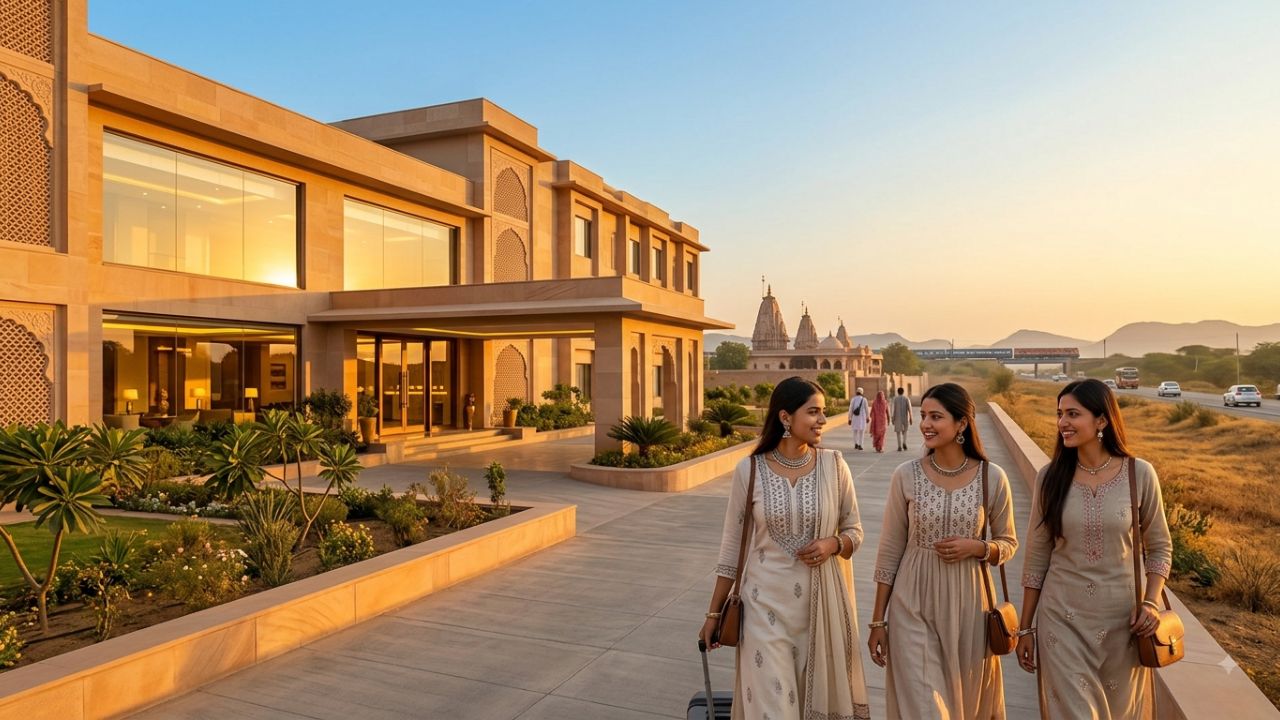
Image generated by AI
Cygnett Hotels & Resorts has signed a 50-key Cozzet hotel in Ringas, Rajasthan, strategically located near the prominent Khatu Shyam pilgrimage site. Scheduled to open in mid-2027, the property will address the rapidly rising demand for branded lodging options along this busy religious travel corridor.
The tourism market in India is observing a significant growth in religious travel, with destinations that receive millions of annual visitors transitioning toward organized, branded hospitality structures. Historically, pilgrimage routes relied on basic local dharamshalas and unbranded guest houses that struggled to maintain consistent service standards during peak festival periods. A major milestone in this transition is the signing of a 50-key Cozzet hotel in Ringas, Rajasthan. Located near the highly revered Khatu Shyam Ji shrine, this brownfield project will support the Sikar district's visitor economy as the shrine witnesses an estimated annual footfall of around 2.54 crore devotees in 2025.
For the traveler, the real impact of this development is the availability of safe, secure, and practical lodging at affordable rates. The proximity of the hotel to major transport links, including a rail connection and a national highway, reduces travel friction and makes it easier for families, seniors, and transit guests to complete their pilgrimage journeys comfortably.
Strategic Location and Comprehensive Guest Facilities
Cozzet Khatushyam is designed to serve as a convenient transit hub, situated just 18 kilometres from the main Khatu Shyam Ji Temple. The hotel offers direct access to key transportation routes:
- Rail Connectivity: The property is located just 100 metres from the Ringas railway station, providing a convenient option for travelers using regional train networks. The Ringas railway station serves as a crucial junction on the North Western Railway zone, linking Sikar district directly with major cities like Delhi, Mumbai, and Ahmedabad. Having a branded hotel located just 100 metres from the platform enables pilgrims arriving on overnight express trains to check in immediately, shower, and rest before making the short 18-kilometre journey to the temple. This convenience is especially vital for elderly travelers or families traveling with young children.
- Road Access: Situated along NH-52, the hotel links the pilgrimage corridor directly with Jaipur and other regional urban centers.
The mid-scale development will feature 50 contemporary rooms and essential amenities designed for short-stay guests, including an all-day dining restaurant, a health club, and a swimming pool. The hotel will also address the regional banquet and social events market with a 2,500-square-foot banquet space capable of hosting between 180 to 200 guests. This addition will help diversify Ringas's hospitality offerings, supporting local gatherings, wedding parties, and corporate transit travel.
Indian Mid-Scale Hospitality Growth Projections
The expansion of the Cozzet brand is aligned with broader industry trends within India's micro-hospitality and mid-scale sectors. Economists project that the domestic mid-scale hospitality segment will expand to reach US$7.60 billion by 2031, driven by the rise in domestic holiday travel, expanding pilgrimage corridors, and corporate mobility in tier-two and tier-three cities. Similarly, emerging pilgrimage hubs like Ayodhya and Amritsar have experienced unprecedented surges in visitor footfall, driving the need for value-focused rooms with international hygiene standards. Cozzet's upcoming Noida and Arunachal Pradesh properties target transit passengers and business travelers who require modern connectivity in developing commercial corridors. This decentralized development strategy allows the brand to capture diverse traveler demographics across different geographic regions.
To capture this growth, developers are utilizing asset-light and scalable expansion models. Cozzet currently has a development pipeline of approximately 600 rooms across several emerging travel markets in India. Upcoming projects and pre-opening developments are planned in Noida, Ayodhya, Amritsar, Jaipur, and Arunachal Pradesh, focusing on transport-linked hubs, pilgrimage destinations, and commercial centers where rising visitor volumes drive demand for consistent, professionally managed lodging.
Ecotourism and Environmental Stewardship in Sikar
The rapid expansion of religious tourism in Rajasthan demands strict focus on resource management and environmental protection. Sikar is characterized by its semi-arid climate and sandy plains, forming part of the Shekhawati region. The area features unique local vegetation like Khejri trees, which are protected by local communities due to their ecological and cultural significance. Environmental conservation initiatives focus on planting native species, preventing desertification, and protecting local water wells. Promoting eco-friendly habits among visitors helps preserve these sensitive semi-arid environments from the impact of millions of annual tourists.
For the visitor, the real impact is a sustainable travel model that minimizes local ecological footprints. The Khatu Shyam Ji shrine generates significant plastic waste during peak festivals, particularly from single-use plastic carrier bags used for offerings (prasad). Travelers can practice responsible tourism by carrying reusable copper or steel water bottles, choosing offerings packaged in organic leaf or recycled paper boxes, and refusing plastic bags from vendors.
Furthermore, water conservation is a vital priority in the arid Sikar district, where groundwater levels are sensitive. Branded hotels are implementing water-saving fixtures, rainwater harvesting systems, and graywater recycling to minimize their strain on municipal water resources. By staying in Ringas and utilizing public rail networks instead of renting private vehicles, travelers can also reduce road congestion and minimize carbon emissions along NH-52.
Destination Specialist Local Insider Tips
To help you explore the Sikar district and plan your Khatu Shyam pilgrimage safely and comfortably, regional specialists suggest the following local tips:
- Target the Winter Shoulder Months: Plan your pilgrimage between October and March to enjoy cool, pleasant weather (ranging between 12°C and 25°C) that makes waiting in queue lines comfortable, while avoiding the intense heat of the desert summer.
- Savor Mawa Kachori and Kadi Kachori: Experience local Rajasthani street food. Sample mawa kachori (a sweet pastry filled with cardamom-scented milk solids) or hot kadi kachori (savory pastry served with spicy yogurt gravy) at local Ringas sweet shops.
- Avoid the Falgun Mela Peak Rush: If you prefer a quiet, meditative visit, avoid traveling during the annual Falgun Mela festival (late February or early March), when millions of devotees flood the town. Weekdays during the off-season offer much shorter waiting times.
- Observe Strict Sanctuary Rules: Khatu Shyam Ji Temple is a deeply sacred site. Dress modestly (shoulders and knees covered), remove your shoes before entering the temple compound, and note that photography and video recording are strictly prohibited inside the inner sanctuary.
- Visit the Historic Harshnath Temple Ruins: Plan a short side trip to the 10th-century Harshnath Temple ruins, situated on a hill near Sikar. The site features beautiful stone carvings and offers sweeping panoramic views of the surrounding terrains.
Long-Term Outlook for Rajasthani Religious Tourism
The long-term outlook for pilgrimage tourism in Rajasthan remains highly positive, driven by the expansion of transport links and branded lodging networks. By providing clean, secure, and value-focused accommodation in transit towns like Ringas, hospitality brands are supporting the regional economy and easing the pressure on core shrine areas.
As regional planners upgrade railway terminals and expand NH-52, continued investment in solid waste management, water purification systems, and eco-friendly hospitality practices will remain essential. This balanced development model protects natural resources, supports regional businesses, and ensures that the sacred heritage of Khatu Shyam remains accessible and protected for future generations of devotees.
Related Travel Guides
Disclaimer
This article is for informational and educational purposes only. It does not constitute legal, financial, or professional advice. While we strive to provide accurate and up-to-date information, travel policies, regulations, and conditions change rapidly. Always verify information with official sources before making travel decisions. Nomad Lawyer makes no representations about the accuracy, reliability, completeness, or suitability of the information provided. Readers should consult qualified professionals for advice specific to their circumstances. The views expressed in this article are those of the author and do not necessarily reflect the views of Nomad Lawyer.
Kunal K Choudhary
Co-Founder & Contributor
A passionate traveller and tech enthusiast. Kunal contributes to the vision and growth of Nomad Lawyer, bringing fresh perspectives and driving the community forward.
Learn more about our team →