
Cyberattack Strikes Trigger April 2026 European Airport Travel Chaos
A cyberattack strikes Collins Aerospace systems while Easter strikes compound disruption across European airports in April 2026, leaving hundreds stranded and creating spring's worst travel crisis since the pandemic.

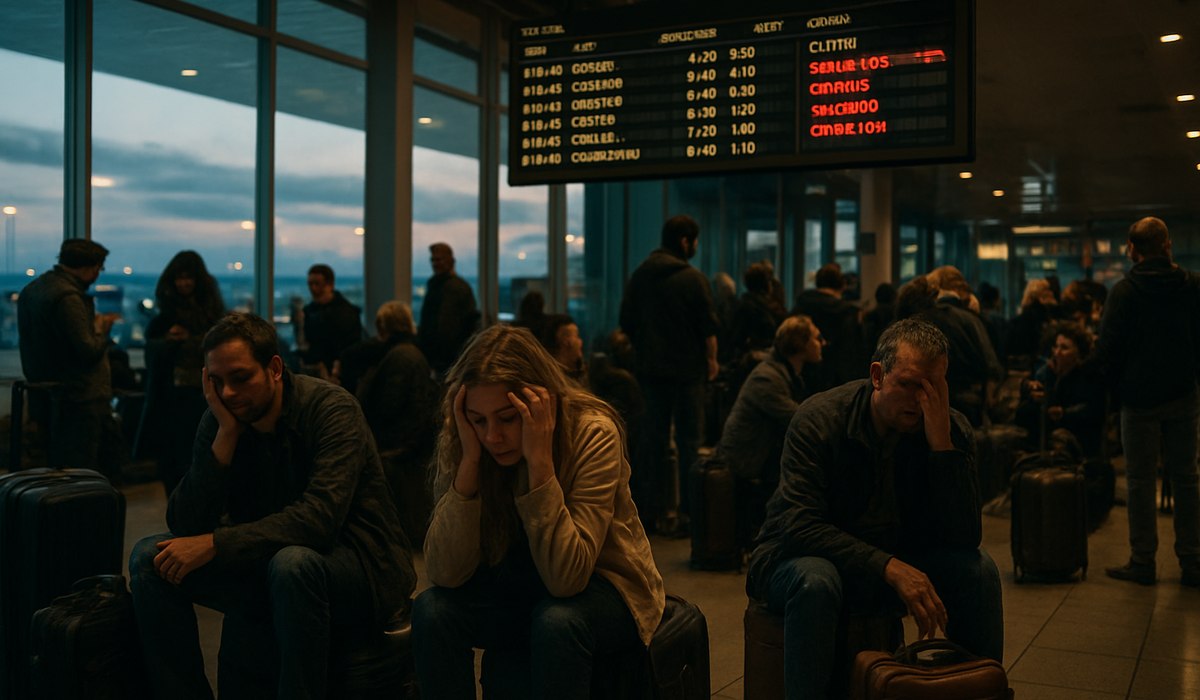
Image generated by AI
Cyberattack Strikes Trigger Perfect Storm for European Travellers
Hundreds of air passengers across Europe are stranded overnight as a devastating cyberattack strikes critical aviation infrastructure while synchronized Easter industrial action paralyzes ground operations. The convergence of these two crises in early April 2026 has created the worst travel disruption across European hubs since the pandemic recovery began. Major gateways including London, Paris, Frankfurt, and Istanbul reported cascading delays and cancellations on April 6, with ripple effects extending through subsequent weeks as airlines battled to restore normal schedules ahead of peak Easter demand.
Collins Aerospace Cyberattack Paralyses Major European Airport Hubs
The cyberattack strikes at the heart of European aviation on April 6, targeting Collins Aerospace, a leading supplier of critical operational technology to airports and airlines continent-wide. The incident disrupted systems managing flight schedules, crew assignments, baggage handling, and ground coordination across interconnected networks. Thousands of passengers faced unexpected overnight terminal stays as airlines trimmed schedules and activated manual backup procedures.
The cyberattack strikes weren't confined to a single carrier or location. Operational bulletins revealed that London Heathrow, Paris Charles de Gaulle, Frankfurt, and Istanbul's major hubs all experienced significant disruption simultaneously. Airlines prioritized long-haul and essential connections, leaving short-haul European services most vulnerable to last-minute cancellations. With aircraft and crews displaced across Europe, recovery extended days beyond the initial incident as airlines struggled to restore regular flight rotations before the Easter holiday rush intensified demand further.
Aviation analysts noted this cyberattack strikes represent a critical stress test for European resilience, exposing dangerous dependency on third-party technology providers with limited redundancy. The incident highlights systemic vulnerabilities in aviation infrastructure during periods when staffing shortages already strain operational capacity across the continent.
Easter Strikes Compound Disruption in France and Spain
Industrial action strategically timed around Easter holidays intensified pressure on Europe's air transport system during peak spring travel season. France experienced cabin crew walkouts at major easyJet bases including Paris Charles de Gaulle, Orly, Nice, Lyon, Bordeaux, and Nantes on Easter Monday, April 6. Industry forecasts projected cancellations affecting 25-40% of services on affected routes, primarily targeting short-haul intra-European operations.
However, French strike consequences extended far beyond national borders. Passengers connecting through Paris toward southern Europe, Eastern Europe, and North Africa experienced cascading missed flights. A cancelled Paris-Barcelona sector triggered missed onward flights to Athens, Cairo, and Casablanca. This domino effect multiplied travel chaos across the continent.
Simultaneously, Spain's baggage handlers and ground services staff implemented indefinite industrial action at Madrid and Barcelona beginning in March. While Spanish minimum service rules maintained some flight operations, ground operations suffered severely. Thousands of checked bags were delayed or separated from passengers, creating a fragmented experience where travellers reached destinations without luggage. Combined with the cyberattack strikes, these labour disputes produced unprecedented Western European travel chaos during Easter week.
Systemic Vulnerability Exposed: Third-Party Dependency Threatens Aviation Resilience
The April 2026 crisis revealed dangerous structural vulnerabilities in European aviation infrastructure. The cyberattack strikes demonstrated how concentrated dependency on single third-party technology providers creates continent-wide risk. When Collins Aerospace systems failed, there was no redundancy. Backup procedures, requiring manual intervention, couldn't handle normal Easter demand volumes.
Middle Eastern airspace instability compounded European challenges further. Earlier long-haul cancellations via Dubai, Abu Dhabi, and Doha throughout late February displaced thousands of passengers onto alternative European routings. This surge hit London, Paris, Frankfurt, Vienna, and Istanbul exactly when the cyberattack strikes and Easter strikes created capacity shortages.
Industry consultants warned that this convergence pattern—regional crises overlapping with localized disruptions—represents the "new normal" for aviation risk management. Long-haul fares increased sharply as desperate passengers paid premiums for alternative routings. The incident demonstrates why aviation regulators must mandate redundant technology systems and diversified supplier relationships before the next crisis emerges.
What Travellers Need to Know: Navigating April Disruptions
Disrupted travel during peak Easter periods requires strategic navigation. Here's what affected passengers must understand:
1. Check Airline Communications Daily – Airlines issued rebooking options sporadically during the cyberattack strikes chaos. Monitor email, airline apps, and SMS alerts continuously rather than assuming automatic solutions.
2. Document Everything for Compensation Claims – EU Regulation 261/2004 entitles eligible passengers to compensation (€250-€600) for delays exceeding three hours. Retain boarding passes, cancellation notices, and receipts for accommodation expenses incurred during overnight stranding.
3. Purchase Travel Insurance Immediately – Standard policies exclude strikes and cyberattacks, but premium tier coverage increasingly includes "infrastructure failure" provisions. Review policy details before travel during disruption periods.
4. Build Buffer Time Into Connections – Short-haul European services proved most vulnerable during the cyberattack strikes crisis. Passengers connecting through affected hubs (Paris, Frankfurt, Madrid) should add 4+ hour layovers as minimum safety margin.
5. Verify Ground Services Before Booking – Spain's indefinite baggage handler strikes meant checked luggage separation became routine. Consider carry-on-only travel through affected regions, or request baggage delivery guarantees when rebooking.
6. Contact Consular Services If Stranded Internationally – Travellers stranded more than 24 hours have legal entitlements to accommodation, meals, and communication support under IATA guidelines. Contact your embassy if airlines refuse compliance.
Key Data Table: April 2026 European Aviation Crisis Impact
| Metric | Details |
|---|---|
| Primary Incident Date | April 6, 2026 |
| Cyberattack Target | Collins Aerospace critical systems |
| Estimated Passengers Affected | 50,000+ across European hubs |
| Overnight Terminal Stranding | 15,000+ passengers |
| Strike Countries | France (cabin crew), Spain (ground services) |
| Major Affected Airports | Paris CDG, London LHR, Frankfurt FRA, Istanbul IST, Madrid MAD, Barcelona BCN |
| Projected Service Cancellations | 25-40% on strike-affected routes |
| Baggage Separation Impact | Thousands delayed/separated in Spain |
| Recovery Timeline | 7-10 days for schedule normalization |
| Secondary Regional Factor | Middle East airspace disruptions since February 2026 |
| Compensation Eligible | Delays 3+ hours (€250-€600 per EU law) |
FAQ: April 2026 Travel Disruption Questions
Q: Are April 2026 flights still being cancelled due to the cyberattack strikes? Recovery accelerated through April 7-14, but secondary cancellations occurred through Easter week as airlines repositioned aircraft. Check your specific flight status 24 hours before departure via airline apps or IATA databases rather than assuming normal operations.
Q: What compensation can I claim for missed connections during the cyberattack strikes? EU Regulation 261/2004 provides €250-€600 depending on flight distance, applicable if delays exceed three hours. Document all expenses, retain original booking confirmations, and submit claims within six months to your airline or through passenger rights organizations.
Q: Should I cancel my April 2026 European travel plans? By April 8 onward, normal operations largely resumed, though secondary disruptions affected specific routes through Easter. Review your airline's operational bulletins and specific airport status. Travel
Disclaimer
This article is for informational and educational purposes only. It does not constitute legal, financial, or professional advice. While we strive to provide accurate and up-to-date information, travel policies, regulations, and conditions change rapidly. Always verify information with official sources before making travel decisions. Nomad Lawyer makes no representations about the accuracy, reliability, completeness, or suitability of the information provided. Readers should consult qualified professionals for advice specific to their circumstances. The views expressed in this article are those of the author and do not necessarily reflect the views of Nomad Lawyer.
Raushan Kumar
Founder & Lead Developer
Full-stack developer with 11+ years of experience and a passionate traveller. Raushan built Nomad Lawyer from the ground up with a vision to create the best travel and law experience on the web.
Learn more about our team →