
Cruise Project Vision: Meyer Werft's 82,000 GT Battery-Powered Innovation
Meyer Werft unveils Project Vision, a revolutionary 82,000 GT battery-powered cruise ship in 2026. This first fully electric vessel over 80,000 gross tons marks a transformative moment for sustainable cruising.

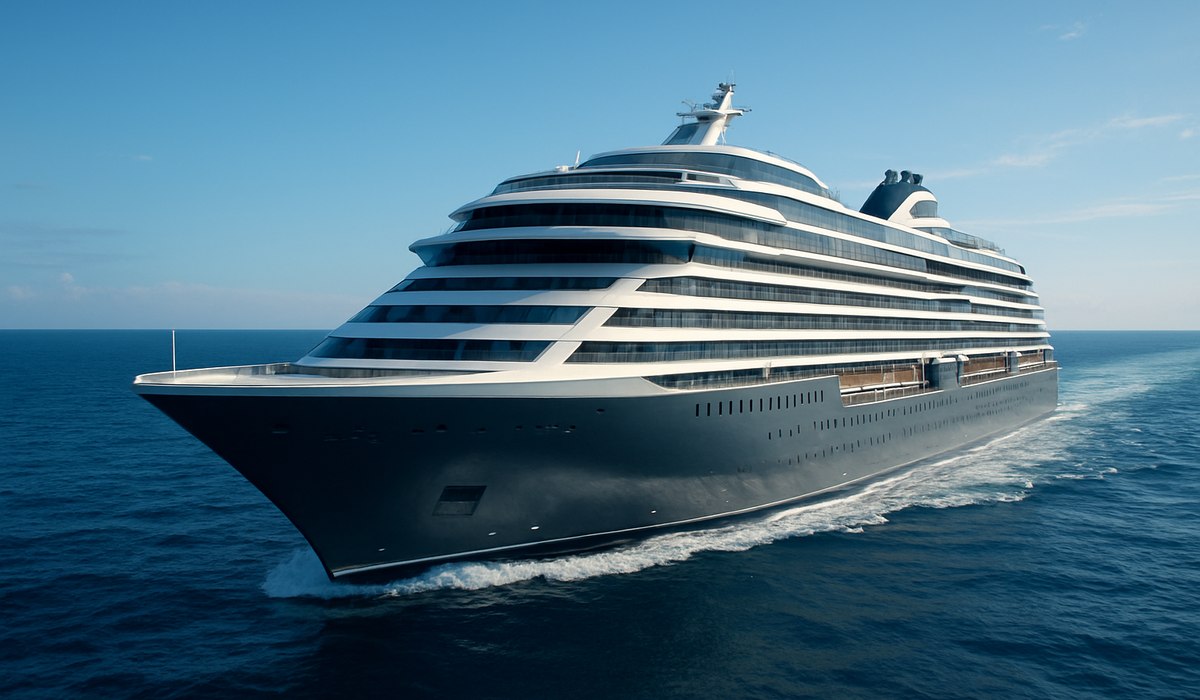
Image generated by AI
Meyer Werft Reveals Project Vision: The Game-Changing Battery-Powered Cruise Ship
Meyer Werft has officially unveiled Project Vision, a watershed moment in maritime innovation. This cruise project vision represents the world's first fully battery-powered cruise ship exceeding 80,000 gross tons, accommodating 1,856 passengers in an eco-conscious design. Presented at Seatrade Cruise Global in Miami, the vessel signals a dramatic shift toward zero-emission cruising and demonstrates that sustainability and luxury can coexist seamlessly on the world's oceans.
What Is Project Vision?
Project Vision stands as a revolutionary cruise project vision that redefines passenger expectations around environmental responsibility. At 82,000 gross tons, this ship transcends the previous size limitations for battery-powered vessels, proving that advanced propulsion systems can power large-scale cruise operations. The ship's architecture accommodates nearly 2,000 guests while maintaining cutting-edge efficiency standards. Meyer Werft engineered Project Vision to deliver the passenger experience cruisers demand—spacious cabins, world-class dining, entertainment venues—without compromising the ocean environment.
The design philosophy integrates advanced battery systems with hybrid technologies, ensuring extended cruising range and operational flexibility. Meyer Werft's engineering team has optimized every system, from HVAC to lighting, to minimize energy consumption. This meticulous approach allows Project Vision to operate extended itineraries while remaining fully battery-powered during port operations and coastal cruising.
Why Battery Power Matters for Modern Cruising
Battery-powered propulsion transforms the cruise industry's environmental footprint. Traditional cruise ships burn heavy fuel oil, releasing significant carbon emissions and nitrogen oxides into our atmosphere. The cruise project vision eliminates these harmful emissions through zero-emission battery technology, reducing greenhouse gases and air pollution at coastal destinations where cruise ships historically congregate.
For travelers concerned about their carbon impact, battery-powered cruising offers genuine peace of mind. Passengers aboard Project Vision contribute meaningfully to climate action simply by choosing this vessel. Additionally, battery power operates nearly silently, enhancing the onboard experience by reducing mechanical noise and vibration—particularly beneficial for cabin dwellers seeking tranquility at sea.
The shift toward battery technology also influences port communities positively. Reduced air pollution improves local air quality and protects vulnerable populations living near cruise terminals. As more ships adopt battery propulsion, the cumulative health benefits across global port cities become substantial and measurable.
Environmental Impact and Sustainability Benefits
Project Vision's sustainability advantages extend beyond zero-emission operations. The cruise project vision demonstrates Meyer Werft's commitment to circular economy principles, with hull designs optimized for minimal hydrodynamic resistance. Lower resistance requires less energy, multiplying the efficiency gains from battery technology.
The vessel's environmental credentials address multiple sustainability metrics. Carbon emissions drop to nearly zero during battery-powered operations. Water pollution risks decrease dramatically, as battery systems eliminate accidental fuel spills and operational oil discharge. Noise pollution diminishes, protecting marine mammal populations that suffer hearing damage from traditional ship engines.
Meyer Werft's Project Vision also incorporates advanced waste management systems and renewable energy integration. Solar panels and wind-assisted technologies supplement battery capacity, creating a genuinely multi-modal sustainable propulsion ecosystem. When Project Vision operates in ports with grid-based renewable energy infrastructure, charging becomes genuinely carbon-neutral—an unheard-of achievement in cruise shipping just five years ago.
Cruise Itinerary at a Glance
| Feature | Details |
|---|---|
| Ship Name | Project Vision |
| Gross Tonnage | 82,000 GT |
| Passenger Capacity | 1,856 guests |
| Builder | Meyer Werft |
| Propulsion | 100% Battery-Powered |
| Launch Timeline | To be announced |
| Itineraries | European and Mediterranean cruises planned |
| Cabin Types | Standard through Suite categories |
| Key Features | Zero-emission operation, hybrid battery systems, advanced sustainability technology |
When Will Project Vision Launch?
Specific launch timelines remain under development as Meyer Werft finalizes design specifications and regulatory approvals. Industry observers anticipate commercial operations beginning within 24-36 months of announcement, positioning Project Vision as a transformative fleet addition by 2027-2028.
The vessel will likely debut on Northern European and Baltic itineraries, regions with established cruise demand and superior charging infrastructure. Mediterranean seasonal cruising may follow, allowing passengers across multiple continents access to this revolutionary cruise project vision. Early marketing will target environmentally conscious travelers willing to prioritize sustainability alongside traditional cruise amenities.
Meyer Werft's official website and industry announcements through Cruise Critic will provide definitive deployment schedules as they're confirmed.
What This Means for Conscious Travelers
Project Vision's emergence transforms cruise selection for environmentally aware passengers. Here's how this innovation impacts your travel decisions:
-
Choose guilt-free luxury: Enjoy five-star cruise amenities while maintaining genuine environmental credentials. Battery-powered cruising eliminates the carbon guilt associated with traditional oceangoing vessels.
-
Support industry innovation: By booking Project Vision, travelers directly encourage cruise lines and builders to accelerate sustainable fleet transitions. Your choice catalyzes positive industry-wide change.
-
Expect premium pricing with purpose: Early Project Vision cruises will command premium fares reflecting cutting-edge technology and sustainability leadership. Consider this investment supporting the future of responsible tourism.
-
Prepare for high demand: Limited cabin availability across early sailings will drive booking urgency. Interested travelers should monitor announcements closely and secure reservations promptly upon availability.
-
Experience quieter, cleaner ports: Battery-powered operations eliminate engine noise and air pollution, transforming the port experience and coastal community relationships fundamentally.
Frequently Asked Questions
How does Project Vision's battery system work on extended cruises?
Project Vision combines large-capacity lithium battery banks with hybrid diesel-electric backup systems, enabling extended range without sacrificing zero-emission port operations. Advanced battery management optimizes charge cycles, allowing 24-48 hour coastal cruising on stored power while hybrid systems engage for open-ocean transatlantic passages when necessary.
What makes Project Vision different from previous battery-powered ships?
Previous battery vessels rarely exceeded 20,000 gross tons. Project Vision's 82,000 GT capacity proves battery technology can power large-scale cruise operations, accommodating nearly 2,000 passengers without proportional efficiency sacrifices. This breakthrough eliminates the "small ship only" misconception plaguing battery adoption discussions.
Will Project Vision cruises cost significantly more than traditional ships?
Early pricing will exceed conventional cruise fares, reflecting advanced technology and limited capacity. However, operational cost advantages from battery efficiency should gradually reduce premiums as Meyer Werft builds multiple Project Vision-class vessels, creating economies of scale.
Where will Project Vision cruise initially?
Expected itineraries focus on Northern Europe, the Baltic, and Mediterranean regions, where charging infrastructure exists and cruise demand remains robust. These regions prioritize environmental sustainability, aligning perfectly with Project Vision's market positioning.
Related Cruise Guides
Explore additional sustainable cruise resources on our site:
- Best Eco-Friendly Cruise Lines and Green Shipping Initiatives
- Mediterranean Cruise Planning: Ports, Ships, and Shore Excursions
- Baltic Sea Cruises: A Complete Regional Guide
Disclaimer
This article draws from Meyer Werft announcements and Seatrade Cruise Global presentations as of April 2026. Information regarding Project Vision specifications, timelines, and itineraries reflects currently available data and remains subject to change as construction progresses
Disclaimer
This article is for informational and educational purposes only. It does not constitute legal, financial, or professional advice. While we strive to provide accurate and up-to-date information, travel policies, regulations, and conditions change rapidly. Always verify information with official sources before making travel decisions. Nomad Lawyer makes no representations about the accuracy, reliability, completeness, or suitability of the information provided. Readers should consult qualified professionals for advice specific to their circumstances. The views expressed in this article are those of the author and do not necessarily reflect the views of Nomad Lawyer.
Raushan Kumar
Founder & Lead Developer
Full-stack developer with 11+ years of experience and a passionate traveller. Raushan built Nomad Lawyer from the ground up with a vision to create the best travel and law experience on the web.
Learn more about our team →