
Cruise Hefty Blow: Supreme Court Revives $440M Cuba Property Lawsuit
Four major cruise lines face a hefty blow as the US Supreme Court revives a $440M lawsuit over disputed Cuba property use from 2016-2019. The 8-1 decision permits litigation to advance against Carnival, Royal Caribbean, Norwegian, and MSC.

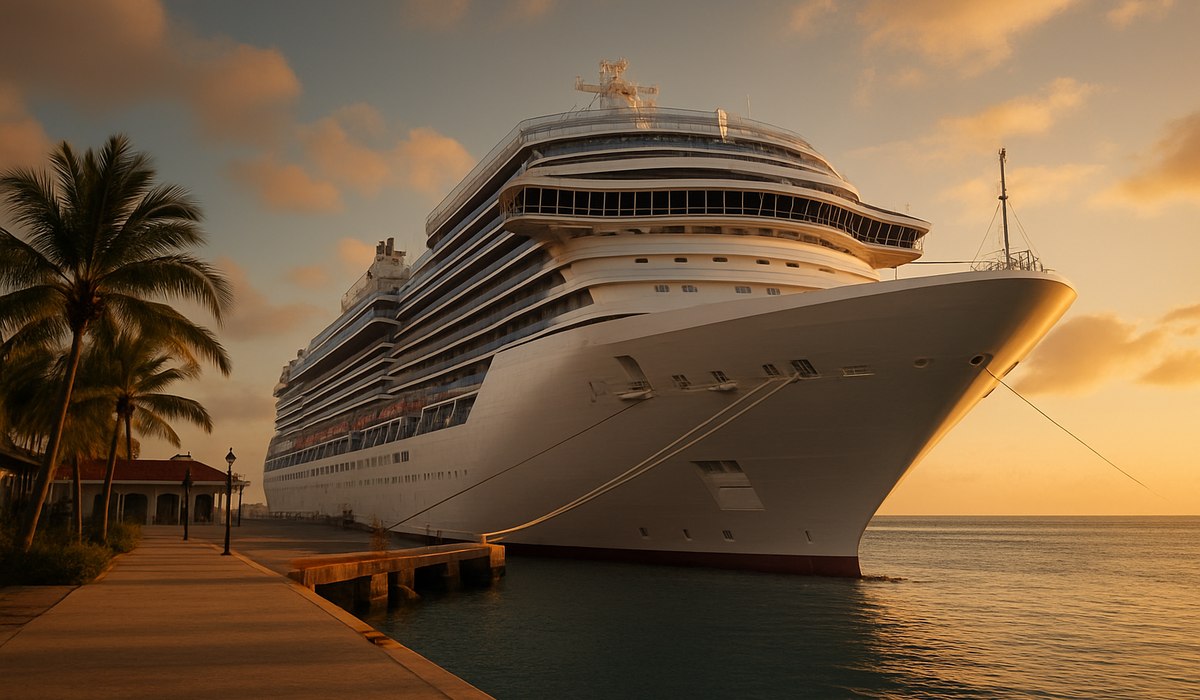
Image generated by AI
Supreme Court's Landmark 8-1 Decision Delivers Cruise Hefty Blow
Four major cruise lines face potential exposure to a $440 million fine after the US Supreme Court voted 8-1 on May 21, 2026, to revive litigation over disputed property claims in Cuba. The decision overturns a previous appeals court ruling that had dismissed the case, permitting Havana Docks Corporation to move forward with its claim that cruise operators profited from seized property between 2016 and 2019. This cruise hefty blow represents a significant reversal for the cruise industry and opens the door to years of additional legal proceedings that could reshape how cruise lines operate in sensitive geopolitical zones.
Justice Clarence Thomas, writing for the majority, affirmed that Havana Docks Corporation maintains a legitimate claim to the waterfront facility where cruise ships operated during Obama-era normalized travel relations with Cuba. The ruling does not immediately impose fines but instead permits the underlying lawsuit to advance through the court system.
Which Cruise Lines Are Affected by This Decision
The cruise hefty blow impacts four of the world's largest cruise operators. Carnival Corporation, Royal Caribbean, Norwegian Cruise Line Holdings, and MSC Cruises all conducted sailings to Havana between 2016 and 2019, utilizing the disputed Havana Docks terminal. During this period, these lines transported approximately one million passengers under "people-to-people" travel agreements that were legal at the time of operation.
Carnival Corporation operates over 100 ships across multiple brands including Carnival Cruise Line, Princess Cruises, and Holland America Line. Royal Caribbean commands a substantial market share with brands like Celebrity Cruises and Silversea. Norwegian Cruise Line Holdings manages Norwegian Cruise Line, Oceania Cruises, and Regent Seven Seas Cruises. MSC Cruises, Europe's largest cruise operator, also faced exposure during this period. For current cruise travelers and future bookers, this litigation should not directly impact existing reservations or scheduled itineraries to other destinations.
The Historical Dispute: Havana Docks Ownership Claims
Understanding this cruise hefty blow requires examining decades of property rights disputes tied to Cuba's political history. The timeline reveals a complex intersection of corporate interests, Cold War politics, and international law:
1905: Havana Docks Corporation secured a 99-year lease on the cruise terminal property and constructed the modern dock facilities that would serve international shipping and cruise vessels for over a century.
1959: Fidel Castro's communist government seized control of all private property, including the Havana Docks facility, following the Cuban Revolution and subsequent nationalization policies.
1996: Congress enacted the Helms-Burton Act, legislation permitting American citizens and corporations to pursue legal action against foreign companies profiting from confiscated property. This law became the legal foundation for Havana Docks Corporation's claims.
2004: The original 99-year lease expired, leaving the corporation without active operational control. However, legal scholars debated whether the corporation maintained property rights claims under international law.
2016-2019: President Obama's administration normalized relations with Cuba, permitting limited cruise travel to restart. The four major lines resumed operations using the Havana Docks facility for passenger embarkation and disembarkation.
2022: Federal courts initially ruled that cruise lines had engaged in unlawful trafficking by utilizing seized property, supporting Havana Docks' compensation claims.
2024: Appeals courts reversed this decision, determining that since the lease had expired in 2004—twelve years before cruise operations resumed—Havana Docks lacked standing to sue.
2026: The Supreme Court's cruise hefty blow reverses the appeals decision, permitting litigation to continue.
Cruise Itinerary at a Glance
| Aspect | Details |
|---|---|
| Affected Period | 2016-2019 (Obama-era Cuba normalization) |
| Primary Port | Havana, Cuba (disputed terminal facility) |
| Cruise Lines Named | Carnival Corporation, Royal Caribbean, Norwegian, MSC |
| Passenger Volume | Approximately 1 million passengers transported |
| Travel Classification | Legal "people-to-people" cultural exchanges |
| Current Status | Cuba cruise travel prohibited; US travel ban in effect |
| Litigation Status | Advanced to full trial proceedings |
| Potential Fine Amount | $440 million collectively across four lines |
What Happens Next for the Cruise Industry
This cruise hefty blow initiates a new phase of litigation that cruise industry analysts expect to span years. The Supreme Court's decision means cruise lines cannot simply dismiss the case but must mount substantive legal defenses regarding their operational authority, property rights interpretation, and compensation obligations.
The cruise industry now faces several potential outcomes. First, settlement negotiations may accelerate as cruise lines evaluate litigation costs against potential exposure. Some legal experts suggest negotiated resolutions could emerge within 12-24 months. Second, trial proceedings may determine compensation levels or establish precedent regarding cruise operator liability when using disputed international facilities.
For the cruise industry broadly, this cruise hefty blow establishes that operators cannot rely solely on government authorization to shield themselves from property rights claims. Cruise lines operating in geopolitically sensitive regions must now conduct enhanced due diligence on facility ownership and historical claims. Future cruise itineraries to previously disputed or newly reopened destinations may require additional legal vetting before deployment.
The timing compounds industry challenges, as Cuba remains under a US-imposed travel ban that prohibits tourist visits. Current US State Department advisories classify Cuba as Level 2: "Exercise Increased Caution," citing electrical infrastructure failures and elevated crime rates. Until US policy shifts, no cruise lines currently operate sailings to Cuba, reducing immediate operational impacts.
What This Means for Travelers
If you're planning a cruise or monitoring this litigation, consider these actionable takeaways:
1. Your current bookings remain unaffected. This lawsuit addresses historical sailings from 2016-2019 and doesn't impact voyages to other Caribbean destinations or current cruise operations.
2. Cuba cruises remain unavailable. Unless US policy changes substantially, cruise travel to Cuba will remain prohibited. Monitor State Department travel advisories and cruise line announcements for any policy shifts.
3. Potential future implications. If cruise lines eventually resume Cuba operations after policy changes, expect enhanced screening procedures and possibly higher ticket prices reflecting legal compliance costs.
4. Settlement impacts pricing. If cruise lines reach multi-million-dollar settlements, expect modest pricing adjustments across Caribbean itineraries as lines recover costs through increased fares.
5. Enhanced due diligence matters. Choose established cruise lines demonstrating transparent legal compliance procedures, particularly for itineraries involving politically sensitive regions.
6. Alternative Caribbean ports flourish. While Cuba remains off-limits, cruise lines offer expanded itineraries to Puerto Rico, Dominican Republic, Jamaica, Cayman Islands, and other Caribbean destinations with no legal complications.
Visit Cruise Critic for comprehensive reviews of Caribbean cruise itineraries and passenger experiences with all major cruise lines.
FAQ
What does the Supreme Court's decision mean for my upcoming cruise? The ruling specifically addresses 2016-2019 Cuba sailings and pending litigation. It won't affect your current booking or future Caribbean cruises to unaffected destinations. However, if you're hoping to cruise to Cuba in the future, expect delays due to ongoing litigation and current US travel bans.
Can cruise lines refuse to pay the $440 million fine? The Supreme Court decision doesn't impose immediate fines. Instead, it permits litigation to proceed, meaning cruise lines can continue presenting legal defenses. The case may take years to resolve through trial and potential appeals.
Disclaimer
This article is for informational and educational purposes only. It does not constitute legal, financial, or professional advice. While we strive to provide accurate and up-to-date information, travel policies, regulations, and conditions change rapidly. Always verify information with official sources before making travel decisions. Nomad Lawyer makes no representations about the accuracy, reliability, completeness, or suitability of the information provided. Readers should consult qualified professionals for advice specific to their circumstances. The views expressed in this article are those of the author and do not necessarily reflect the views of Nomad Lawyer.
Raushan Kumar
Founder & Lead Developer
Full-stack developer with 11+ years of experience and a passionate traveller. Raushan built Nomad Lawyer from the ground up with a vision to create the best travel and law experience on the web.
Learn more about our team →