
CRUISE DEAL🚢 16-day transatlantic voyage from Marseille to Dominican Republic with Caribbean island stops for €834 p.p.
This is not a classic “new port every morning” cruise. It’s a proper slow journey from the Mediterranean to the Caribbean — starting in Marseille, stopping in B

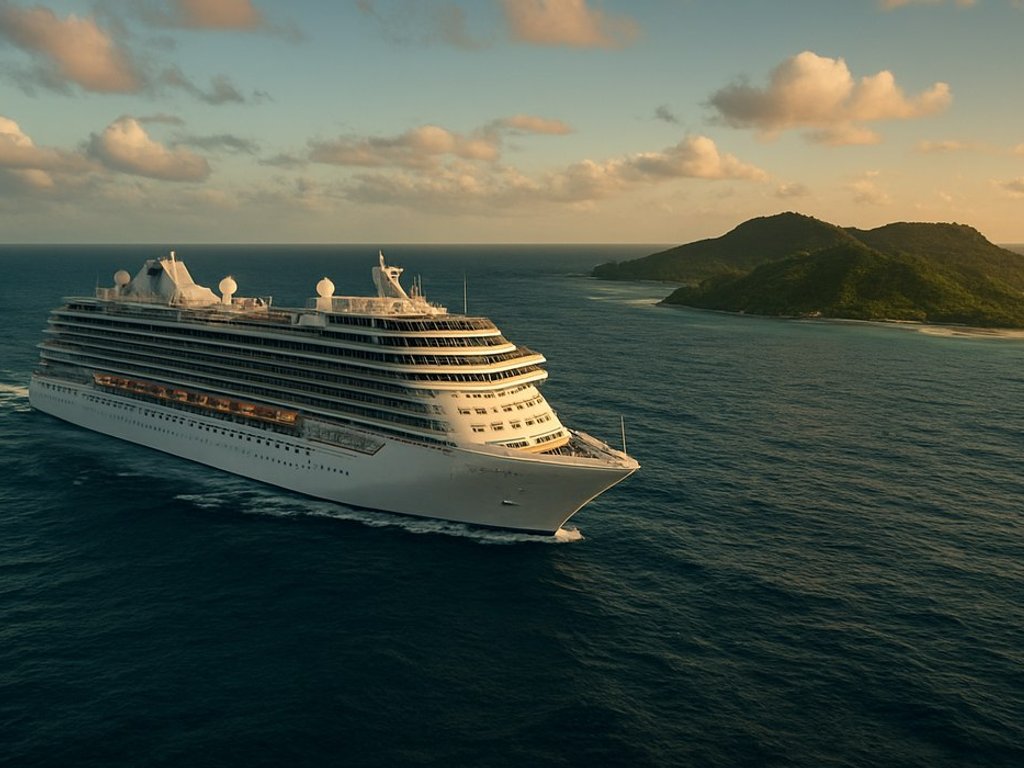
Image generated by AI
Transatlantic Cruise Odyssey: Mediterranean Departure to Caribbean Paradise at €834 Per Person
Quick Summary: A remarkable 16-day maritime expedition combines European elegance with Caribbean exploration, departing from Marseille and concluding in the Dominican Republic. This unhurried voyage encompasses Mediterranean ports including Barcelona and Tangier, followed by extended Atlantic crossings before reaching tropical destinations in Antigua, St. Maarten, St. Kitts, and the Dominican Republic. Per-person pricing begins at €834, making this extended journey accessible to value-conscious travelers seeking authentic ocean travel experiences.
The Appeal of Slow-Paced Ocean Travel
In an era where cruise itineraries often prioritize rapid port rotations and constant destination changes, a fundamentally different approach to seafaring has emerged. This 16-day transatlantic sailing represents a refreshing departure from conventional cruise marketing, which typically emphasizes visiting a new location each morning. Instead, this carefully curated itinerary embraces the philosophy of contemplative ocean travel—a journey where the voyage itself becomes the primary attraction rather than merely serving as transportation between destinations.
The European maritime tradition of leisurely sea passage finds renewed expression through this Mediterranean-to-Caribbean route. By allocating substantial time to open-ocean sailing, passengers experience the authentic rhythm of maritime travel that has largely disappeared from modern commercial cruising.
Journey Overview and Route Structure
The expedition commences in Marseille, France, a historically significant Mediterranean port city with centuries of seafaring heritage. From this southern French gateway, the vessel traverses westward toward Barcelona, Spain's vibrant coastal metropolis, where passengers gain their first port experience. The itinerary subsequently routes through Tangier, Morocco, which serves as the Mediterranean's western boundary before the Atlantic crossing begins in earnest.
Following these initial European stops, the voyage transitions into its most distinctive characteristic: extended sea days spanning the Atlantic Ocean. These consecutive days at sea provide passengers with uninterrupted time for shipboard activities, wellness pursuits, and genuine relaxation—experiences increasingly rare in conventional cruise programming.
The Caribbean segment concludes the 16-day expedition with calls at Antigua, a lesser-Antilles destination offering pristine beaches and colonial architecture; St. Maarten, celebrated for its dual Dutch-French cultural blend and excellent shopping; St. Kitts, featuring volcanic landscapes and historical sugar plantation sites; and ultimately the Dominican Republic, positioned as the journey's final destination.
Financial Accessibility and Value Proposition
Pricing structures for extended voyages frequently present barriers to potential passengers, yet this particular offering positions itself as relatively accessible at €834 per person. This price point reflects competitive positioning within the extended-voyage segment, particularly for transatlantic crossings that typically command premium valuations due to their duration and specialized positioning.
When calculating cost-per-day metrics, the pricing translates to approximately €52 daily per passenger—a figure substantially lower than comparable land-based travel experiences, particularly when considering the all-inclusive nature of cruise accommodations. The value proposition extends beyond mere accommodation, encompassing meals, entertainment programming, and maritime transportation across significant oceanic distances.
The Transatlantic Crossing Experience
The extended Atlantic passages represent the conceptual heart of this itinerary, differentiating it from conventional Caribbean cruises originating from North American ports. These open-ocean days permit the vessel to transit substantial distances while passengers experience genuine maritime ambiance—the sensation of traveling across major oceanic expanses rather than merely island-hopping.
Modern cruise vessels equipped for transatlantic service typically offer comprehensive onboard facilities maximizing passenger comfort during extended sea days. Common amenities include theatrical venues hosting daily entertainment productions, comprehensive spa and wellness centers, specialized dining venues, fitness facilities, and extensive outdoor deck spaces. These shipboard resources transform sea days from potential leisure deficits into engaging experiential components of the overall journey.
Mediterranean Gateway Experiences
The inclusion of Marseille as the departure point provides distinct advantages for European passengers seeking to avoid long-haul transatlantic flights. This major Mediterranean hub offers excellent ground transportation connections throughout continental Europe via European rail networks and regional airports.
Barcelona's inclusion provides access to Gaudí's architectural masterpieces, including the iconic Sagrada Família basilica, alongside vibrant cultural districts and Mediterranean beaches. Tangier serves as a significant North African gateway, offering distinct cultural experiences and strategic positioning before Atlantic waters commence.
Caribbean Destination Highlights
Antigua features protected harbors, historical naval significance, and approximately 365 beaches—sufficient for daily exploration throughout an annual calendar. The destination offers diving opportunities, rum distillery tours, and colonial-era fortifications.
St. Maarten distinguishes itself through its unique political division between Dutch and French governance, creating distinctive cultural atmospheres within geographic proximity. The island attracts significant cruise visitation, resulting in well-developed passenger infrastructure and shopping facilities.
St. Kitts presents volcanic topography and historical sugar production legacy, with Brimstone Hill Fortress representing the island's most significant historical attraction. The destination offers less intensive cruise congestion compared to neighboring islands.
Dominican Republic provides access to tropical rainforests, river systems, and adventure-based excursion opportunities. As the final destination, it enables extended disembarkation experiences rather than rapid port turnarounds.
Booking Considerations and Timing
Securing passage on extended voyages requires advance planning beyond typical short-cruise bookings. Transatlantic sailings operate seasonally, with spring and autumn representing optimal transit windows for favorable Atlantic weather conditions. Early booking typically secures superior cabin assignments and potential promotional pricing.
Passengers should verify included services, shore excursion pricing, and gratuity policies before finalizing reservations. Travel insurance becomes particularly valuable for extended voyages extending across multiple weeks and spanning multiple continents.
Environmental and Sustainable Considerations
Extended voyages inherently reduce per-passenger environmental impact when distributed across two-week journeys versus conventional turnaround cruises. Transatlantic passages maximize fuel efficiency through consistent oceanic routing, and modern cruise vessel technology increasingly incorporates emissions-reduction systems and alternative fuel capabilities.
Frequently Asked Questions
What documentation is required for this transatlantic voyage? Passengers require valid passports throughout the journey. European Union citizens transiting between EU-member states require identification documents. United States citizens and other nationalities require appropriate visa documentation for Morocco and the Caribbean destinations. Cruise lines typically provide comprehensive documentation guidance during booking processes.
How many sea days occur during this 16-day itinerary? Specific sea-day counts depend on precise port scheduling and Atlantic crossing duration. Typically, extended transatlantic voyages allocate approximately 8-10 days to open-ocean transit, with remaining days distributed among Mediterranean and Caribbean port visits.
What is the typical passenger demographic for this journey? Extended voyages attract experienced travelers seeking unhurried exploration, passengers with flexible scheduling capabilities, and individuals prioritizing contemplative travel experiences over rapid destination accumulation. Age demographics typically skew toward mature travelers, though younger adventurers seeking alternative cruise experiences increasingly participate.
Can passengers embark or disembark at intermediate ports? While Marseille serves as the primary embarkation point, some cruise lines may offer Barcelona or subsequent port joining options. Conversely, some passengers may disembark at Caribbean destinations without completing the full itinerary. Specific policies vary by cruise operator and booking arrangements.
What dining and entertainment programming occurs during extended sea days? Modern cruise vessels typically provide multiple dining venues with varied cuisine concepts, daily entertainment productions ranging from theatrical performances to comedy shows, specialized activity programming including fitness classes and educational seminars, and casino and nightclub facilities for evening entertainment.
How does pricing compare to alternative Mediterranean and Caribbean vacations? The €834-per-person cost for 16 days compares favorably to land-based resort stays when factoring in accommodations, meals, and transportation. For independent travelers organizing equivalent experiences across multiple destinations, cruise economics typically demonstrate substantial savings advantages.
Disclaimer
This article is for informational and educational purposes only. It does not constitute legal, financial, or professional advice. While we strive to provide accurate and up-to-date information, travel policies, regulations, and conditions change rapidly. Always verify information with official sources before making travel decisions. Nomad Lawyer makes no representations about the accuracy, reliability, completeness, or suitability of the information provided. Readers should consult qualified professionals for advice specific to their circumstances. The views expressed in this article are those of the author and do not necessarily reflect the views of Nomad Lawyer.
Kunal K Choudhary
Co-Founder & Contributor
A passionate traveller and tech enthusiast. Kunal contributes to the vision and growth of Nomad Lawyer, bringing fresh perspectives and driving the community forward.
Learn more about our team →