
UN Tourism Records Central and Eastern Europe Tourism Expansion
UN Tourism World Tourism Barometer shows Croatia, Slovakia, Lithuania, and Serbia outperforming Western Europe in visitor recovery.

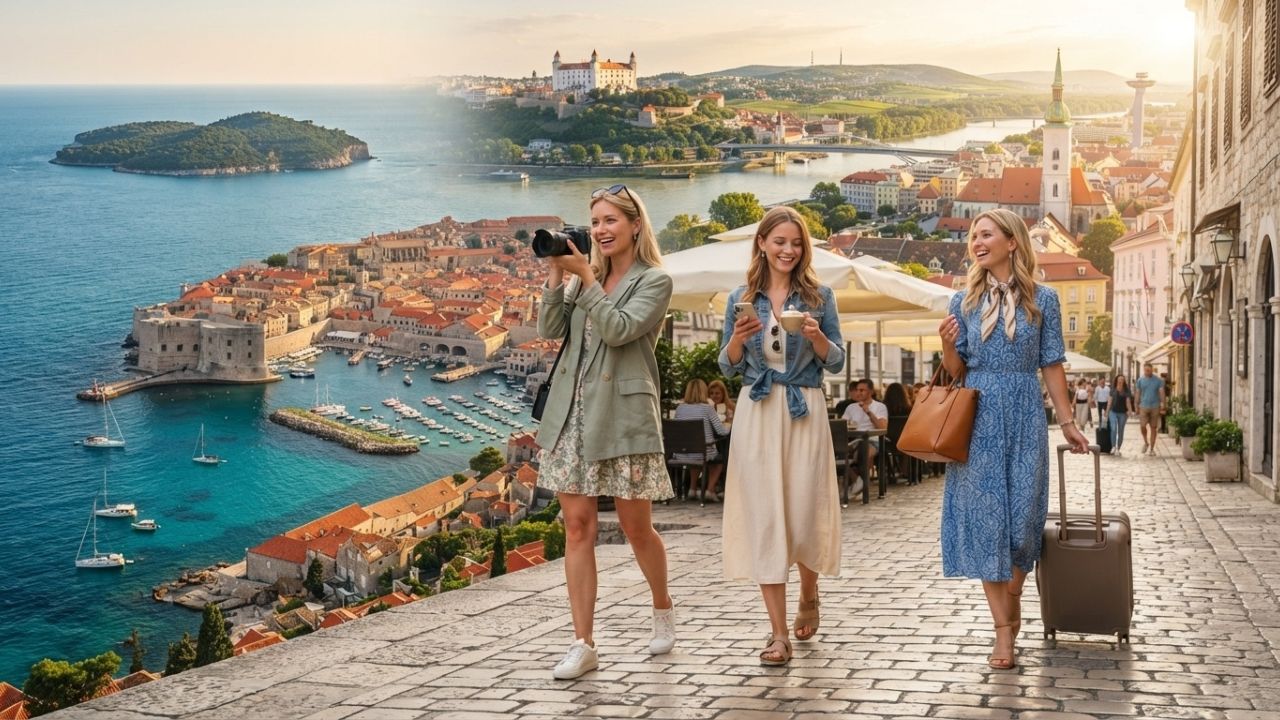
Image generated by AI
Diversified traveler choices and upgraded cross-border transport links are shifting European visitor flows, with the Croatia Slovakia tourism recovery CEE leading continental arrivals growth.
An expansion in regional transit connections has accelerated visitor arrivals in Central and Eastern Europe (CEE), with the Croatia Slovakia tourism recovery CEE leading regional data. According to the UN Tourism World Tourism Barometer, CEE destinations are outperforming many traditional Western European markets in visitor recovery. The growth is supported by a shift in traveler preference toward destinations that offer rich cultural heritage and lower crowd density.
Rather than concentrating bookings solely in major metropolitan hubs like Paris or Rome, international and domestic visitors are choosing regional cities. In Croatia, while Dubrovnik remains a primary attraction, arrivals are growing in Split, Zadar, Šibenik, and Istria. In Slovakia, Bratislava acts as a major rail gateway, directing travelers to the High Tatras National Park and regional castles.
Key Performing Markets in Central & Eastern Europe
The regional recovery is led by several key countries:
- Croatia: Capitalizing on its Adriatic coast, sailing routes, and gastronomy. Expanded marina infrastructure and year-round flight options support off-season tourism.
- Slovakia: Drawing hikers and wellness travelers to mountain resorts. Upgraded rail links connecting Bratislava with Vienna and Budapest have simplified transit.
- Lithuania: Attracting Baltic heritage travelers to Vilnius, where medieval architecture combines with accessible green forests.
- Serbia: Expanding river cruise passenger volumes along the Danube. Belgrade and Novi Sad remain key gateways, with Zlatibor and Tara National Park hosting nature tours.
The table below outlines the primary gateways and regional tourist corridors in Central and Eastern Europe:
CEE Regional Travel Gateways and Primary Tourist Corridors 2026
| Destination Country | Primary Transit Gateway | Key Regional Attraction Areas | Main Sourcing Drivers |
|---|---|---|---|
| Croatia | Split & Dubrovnik Airports | Istria, Zadar, Adriatic islands | Sailing, beaches, coastal history |
| Slovakia | Bratislava Main Station | High Tatras National Park, UNESCO castles | Hiking, wellness spas, old town heritage |
| Lithuania | Vilnius International Airport | Trakai Castle, Baltic beaches | Medieval architecture, eco-tours |
| Serbia | Belgrade Nikola Tesla Airport | Novi Sad, Tara National Park, Zlatibor | River cruises, music festivals, hiking |
Why This Matters
For travelers on this route, the real impact is the availability of affordable, less congested alternatives to Western Europe's overcrowded cities. Because destinations like Bratislava or Vilnius offer lower costs for food, local transport, and hotel accommodation, travelers can enjoy extended vacations for a fraction of the cost of a weekend trip to London or Paris.
From a logistical perspective, this means that multi-country train tickets are highly efficient. The proximity of CEE capitals allows travelers to easily combine trips. For instance, a traveler can easily take a regional train from Vienna to Bratislava (a 1-hour journey) before taking an onward sleeper train to Budapest or Prague, avoiding flight check-in delays.
Industry Outlook
Our analysis of the route map suggests that regional rail and road infrastructure upgrades will continue to drive CEE tourism growth. By expanding high-speed motorway links and cross-border train frequencies, national transport ministries are enabling self-drive holidays and multi-country rail tours, making it easier for visitors to explore rural communities.
Furthermore, market trends suggest that CEE tourism boards are prioritizing year-round eco-tourism projects. By promoting cycling trails, national parks, and local cultural festivals outside the peak summer months, regional communities can generate steady, sustainable tourism income without experiencing the environmental stress of seasonal overtourism.
Related: Pokhara Hosts Nomads Basecamp 2026 to Promote Remote Work Tourism
Related: Japan Foreign Visitor Spending Surpasses Two Trillion Yen in Q2 2026
Related: South India Promotes Lesser-Known Eco-Tourism Monsoon Destinations
Disclaimer
This article is for informational and educational purposes only. It does not constitute legal, financial, or professional advice. While we strive to provide accurate and up-to-date information, travel policies, regulations, and conditions change rapidly. Always verify information with official sources before making travel decisions. Nomad Lawyer makes no representations about the accuracy, reliability, completeness, or suitability of the information provided. Readers should consult qualified professionals for advice specific to their circumstances. The views expressed in this article are those of the author and do not necessarily reflect the views of Nomad Lawyer.
Raushan Kumar
Founder & Lead Developer
Full-stack developer with 11+ years of experience and a passionate traveller. Raushan built Nomad Lawyer from the ground up with a vision to create the best travel and law experience on the web.
Learn more about our team →