
Croatia Tourism Economy Reaches $16 Billion Driven by Adriatic Coastal Heritage and Eco-Travel
Croatia's tourism economy generates $16 billion annually (26% of GDP) as luxury nautical charters, UNESCO sites, and digital nomad hubs drive growth.

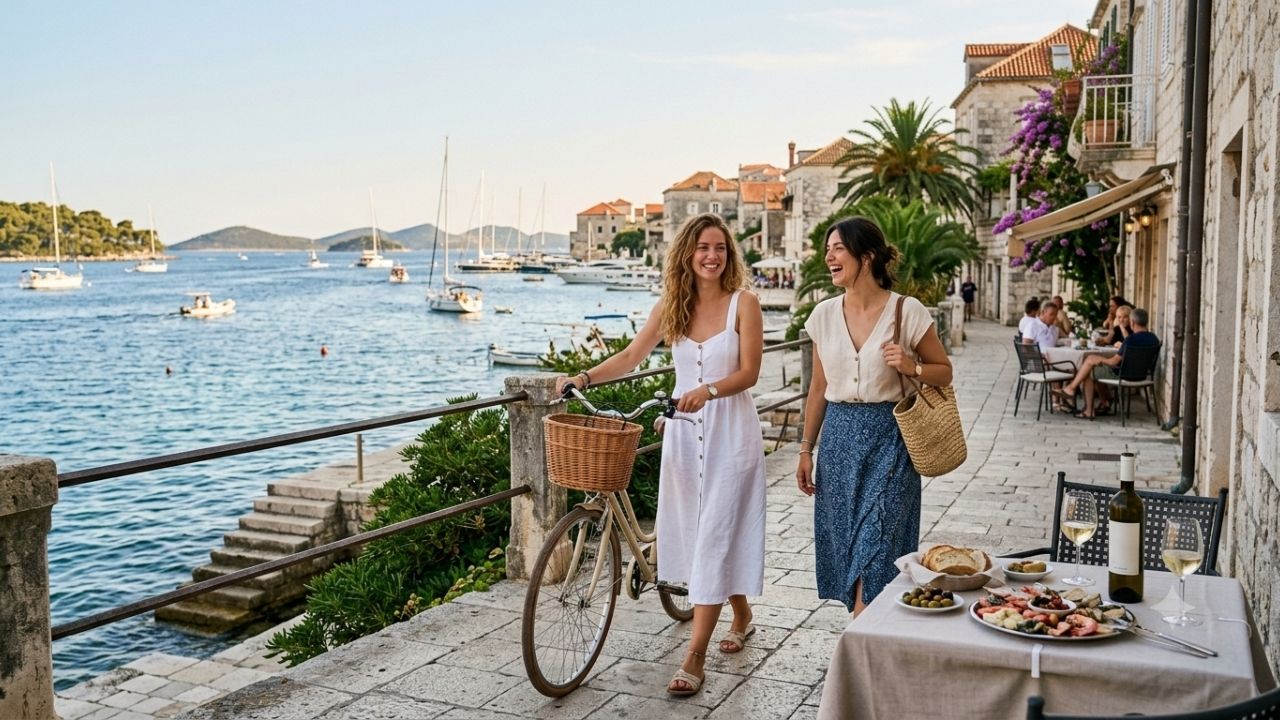
Image generated by AI
Croatia’s tourism sector has reached $16 billion in annual economic value—representing approximately 26% of national Gross Domestic Product—driven by luxury nautical charters, UNESCO heritage preservation, and digital nomad residency growth. Official statistics show average daily spending per international visitor reaching $133, as municipal authorities deploy smart crowd monitoring across Dubrovnik and Split while protecting 30% of territorial waters.
[ZAGREB, Croatia, Sept. 1, 2026] — Financial research and official hospitality metrics released by the Ministry of Tourism and Sport of Croatia confirm that the nation’s tourism economy generates over $16 billion in annual economic value, accounting for approximately 26% of total Gross Domestic Product (GDP). The performance positions Croatia among the highest tourism-dependent nations in Europe, supported by accelerating demand across the Adriatic coastline, Dalmatia, and Istria.
Tracking data indicates a clear shift toward high-yield international travel segments, with average daily expenditure per international visitor expanding to $133. Combined investments in airport expansions across Zagreb, Split, and Dubrovnik, alongside upgraded high-speed catamaran networks, have expanded seasonal transit capacity while distributing visitor traffic evenly across mainland hubs and offshore archipelagos.
National Economic Pillar: Tourism Generates $16 Billion and 26% of National GDP
The economic contribution of Croatian tourism extends beyond seasonal lodging, sustaining municipal infrastructure, transport networks, and regional employment. High-end accommodation networks, regional flight connections, and private dining establishments establish a consistent tax and capital reinvestment base for municipal authorities in Istria and Dalmatia.
National tourism directives coordinated alongside the Croatian National Tourist Board (CNTB) emphasize active, health-focused travel. Visitor itineraries increasingly combine sailing through the Adriatic Sea, thermal spa relaxation, coastal cycling, and authentic regional gastronomy over traditional passive sightseeing.
Strategic Nautical Expansion: Island-Hopping Charters Generate €160 Million Annually
Croatia’s nautical travel sector represents a major revenue driver for island communities. Maritime transport data confirms that island-hopping and luxury boat charter operations generate over €160 million annually in port anchorage fees, berthing charges, and vessel maintenance services.
High-density berthing locations across island hubs such as Hvar, Brač, and Korčula accommodate thousands of private yachts, catamarans, and commercial cruise vessels each season. Modernized deep-water port facilities in Zadar and Šibenik feature automated refueling systems and eco-friendly marine waste management infrastructure, cementing Croatia's reputation as the Mediterranean's premier sailing destination.
Heritage Management at UNESCO Sites: Smart Crowd Sensors Protect Dubrovnik and Split
Cultural preservation reports show that UNESCO World Heritage Sites—including the ancient walled city of Dubrovnik and Diocletian’s Palace in Split—record over 3 million collective visitor entries annually. To mitigate physical wear on centuries-old stone monuments, local authorities have deployed automated crowd-monitoring sensors and time-slotted entry reservation systems.
Entry fee revenues are funneled directly into municipal restoration funds and archaeological preservation programs. By balancing high-volume visitor arrivals with strict access quotas, Croatian authorities maintain architectural preservation without curtailing tourism access.
Eco-Tourism and Marine Conservation Across 30% of Territorial Waters
Environmental protection frameworks across coastal municipalities enforce strict conservation benchmarks, designating over 30% of Croatia’s territorial waters as protected marine zones. Sustainability mandates require green energy certifications and carbon footprint tracking along major transport corridors.
These ecological protections preserve water quality metrics across the Adriatic Sea, supporting eco-tourism and sustainable diving. The commitment to environmental stewardship aligns with broader European Union conservation goals, positioning the country as a model for sustainable coastal management.
Key Economic and Operational Indicators of Croatia’s Tourism Economy
| Sector / Performance Metric | Official Benchmark / Statistical Figure | Strategic Tourism & Economic Significance |
|---|---|---|
| Annual Economic Value | Over $16 billion | Direct & indirect contribution to the national economy |
| National GDP Share | Approximately 26% of total GDP | Highlights tourism as Croatia's primary economic engine |
| Visitor Daily Expenditure | $133 average daily spend per international tourist | Confirms shift toward high-yield, luxury travel segments |
| Protected Marine Waters | Over 30% of territorial waters | Preserves marine biodiversity & Adriatic water quality |
| Nautical Sector Revenue | Over €160 million annually | Generated through port anchorage, berthing & charter services |
| UNESCO Heritage Visits | Over 3 million entries annually (Dubrovnik & Split) | Managed via automated crowd sensors & entry time-slots |
| Agritourism Growth | +20% increase in direct vineyard visitor traffic | Expands rural economic development in Istria & Pelješac |
| Digital Nomad Stay Length | Average stay duration exceeding 6 months | Mitigates off-peak seasonal economic declines in Zadar & Split |
Agritourism Expansion and Digital Nomad Residency Migration
Regional economic integration is further supported by expanding agricultural tourism and long-stay remote work programs:
- Agritourism & Wine Exports: Agricultural tourism across Istria and the Pelješac peninsula generated a 20% increase in direct vineyard visitor traffic. Tasting room sales and farm-to-table culinary tours have boosted international demand for local wine and olive oil exports across European and North American markets.
- Digital Nomad Migration: Specialized long-stay residency visas have attracted thousands of foreign remote workers to coastal hubs like Zadar and Split. With average stays exceeding six months, digital nomads contribute year-round consumer spending toward long-term housing, co-working spaces, and retail commerce.
Industry Impact Analysis: Establishing a High-Yield Mediterranean Sustainable Travel Model
Destination strategists view Croatia's tourism model as an effective blueprint for Mediterranean nations seeking to balance rapid economic growth with environmental conservation. By capping visitor density at UNESCO sites, protecting 30% of territorial waters, and incentivizing digital nomad residency, Croatia avoids the pitfalls of unmanaged mass tourism seen in other Southern European hotspots.
Furthermore, integrating nautical travel, agritourism, and digital nomad infrastructure diversifies visitor expenditure beyond traditional summer beach travel, sustaining employment across rural and island communities throughout the year.
Why This Matters: Essential Takeaways for Travelers Visiting Croatia
For international visitors planning trips to Croatia in 2026, understanding national travel infrastructure optimizes the vacation experience:
- Reserve UNESCO Site Entry Times Early: Book time-slotted admission tickets online for Dubrovnik’s historic walls and Split’s Old Town to guarantee entry during peak hours.
- Explore Beyond Summer Peak Months: Consider visiting during shoulder seasons (May–June or September–October) when weather remains ideal for sailing and wine tasting without peak summer crowds.
- Utilize High-Speed Catamaran Networks: Take advantage of modernized ferry and catamaran routes connecting Split and Dubrovnik to island hubs like Hvar, Brač, and Korčula.
- Consider Long-Stay Digital Nomad Visas: Remote professionals can apply for Croatia’s digital nomad residency permit to live and work along the Adriatic coast for up to 12 months.
Frequently Asked Questions
What is the total economic impact of tourism on Croatia's economy?
Tourism generates over $16 billion annually, accounting for approximately 26% of Croatia’s total Gross Domestic Product (GDP).
What percentage of Croatia's territorial waters are protected?
More than 30% of Croatia’s territorial waters are designated as protected marine zones under national environmental frameworks.
How are authorities managing crowds at UNESCO sites like Dubrovnik?
Local authorities use automated crowd-monitoring sensors, time-slotted entry reservation systems, and daily visitor caps to protect historic monuments from over-tourism.
How much do international tourists spend daily in Croatia on average?
Tracking data indicates that average daily expenditure per international visitor in Croatia has reached $133.
Related Travel Guides
Disclaimer
This article is for informational and educational purposes only. It does not constitute legal, financial, or professional advice. While we strive to provide accurate and up-to-date information, travel policies, regulations, and conditions change rapidly. Always verify information with official sources before making travel decisions. Nomad Lawyer makes no representations about the accuracy, reliability, completeness, or suitability of the information provided. Readers should consult qualified professionals for advice specific to their circumstances. The views expressed in this article are those of the author and do not necessarily reflect the views of Nomad Lawyer.
Raushan Kumar
Founder & Lead Developer
Full-stack developer with 11+ years of experience and a passionate traveller. Raushan built Nomad Lawyer from the ground up with a vision to create the best travel and law experience on the web.
Learn more about our team →