
Delta Air Lines Faces Major Litigation After Severe Turbulence Incident Hospitalizes 25 Passengers
Breaking airline news and aviation industry updates for 2026.

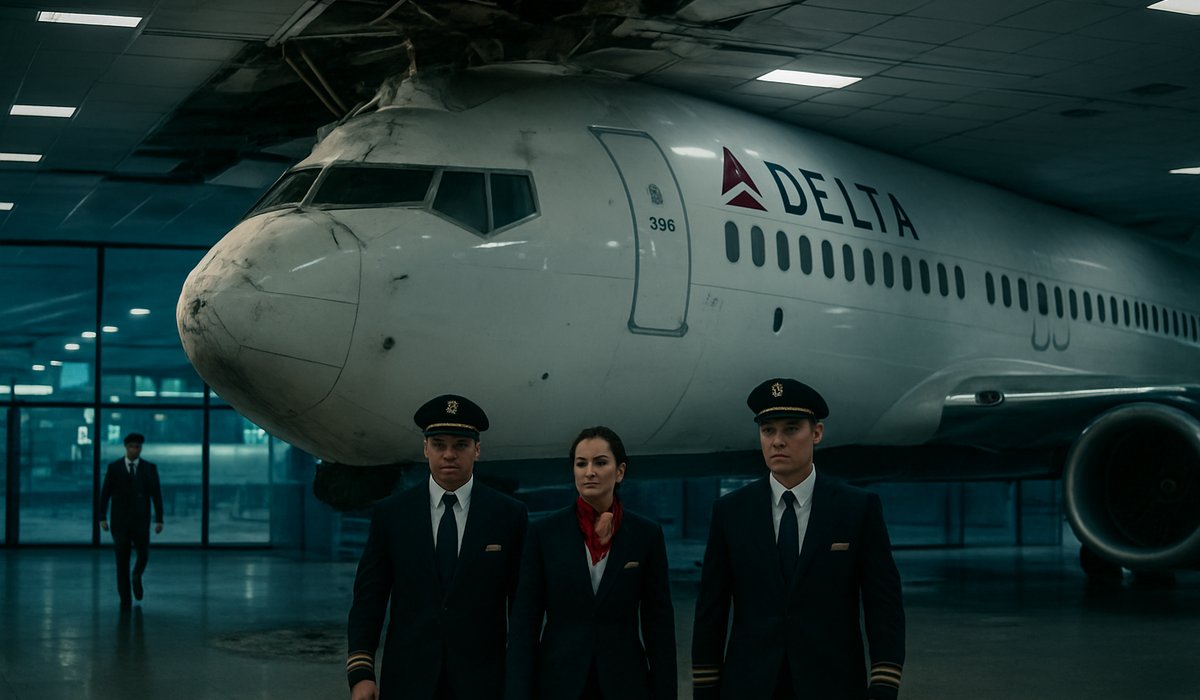
Image generated by AI
Delta Air Lines Faces Major Litigation After Severe Turbulence Incident Hospitalizes 25 Passengers
Legal action launched following July 30 flight emergency; raises questions about cabin safety protocols and turbulence prediction systems
Breaking: Lawsuit Filed Over Dangerous In-Flight Incident
Delta Air Lines is defending itself against legal claims brought by multiple passengers following a catastrophic turbulence event aboard Flight DL56 on July 30, 2025. The transatlantic service, operating between Salt Lake City International Airport and Amsterdam Airport Schiphol, encountered severe atmospheric conditions that left 25 individuals requiring hospital treatment, according to court filings.
The incident has thrust the aviation industry's turbulence response protocols into the spotlight, with implications extending across the broader carrier sector as airlines grapple with increasingly unpredictable weather patterns and passenger safety management.
Details of the Incident
The afflicted flight was operating as a scheduled transatlantic crossing—a route typically considered routine by modern aviation standards. However, unexpected severe turbulence resulted in multiple injuries severe enough to warrant immediate medical intervention upon landing. Passengers have now initiated legal proceedings against the carrier, alleging inadequate safety measures and failure to respond appropriately to weather warnings.
This incident mirrors growing concerns within the travel industry regarding sudden atmospheric disturbances, which meteorologists attribute partly to climate volatility and shifting jet stream patterns affecting commercial aviation routes.
Broader Industry Context
The turbulence event reflects mounting challenges facing carriers across the aviation sector. Airlines are increasingly investing in advanced weather detection systems and crew training protocols to mitigate passenger injury during unexpected atmospheric events. However, litigation cases like this underscore the persistent vulnerability of aircraft interiors to severe weather encounters, particularly during long-haul operations where escape options are limited.
Delta's incident comes amid an era when airlines are simultaneously managing operational pressures from volatile jet fuel prices, evolving baggage fee structures, and heightened passenger expectations regarding safety standards. The carrier's handling of this emergency and subsequent passenger care will likely influence industry best practices moving forward.
What Lies Ahead
The lawsuit represents a critical moment for Delta and the wider aviation community. Legal outcomes could reshape how carriers approach turbulence preparation, real-time meteorological communication, and cabin crew emergency response protocols. Industry observers note that passenger confidence in air travel safety directly impacts booking patterns and airline revenue, making these cases financially significant beyond immediate litigation costs.
FAQ: Your Questions About Airline Safety and Turbulence
What causes severe turbulence on commercial flights? Severe turbulence typically results from atmospheric instability, jet stream interactions, thunderstorms, or wind shear near mountains. Modern aircraft can withstand far more turbulence than passengers experience; injuries usually occur when people are unrestrained.
Can airlines predict and avoid severe turbulence? Yes—modern aircraft use sophisticated weather radar and real-time meteorological data. Pilots actively seek alternative routes when possible, though some turbulence encounters remain unavoidable on certain routes.
What are my rights if injured during a flight? Passenger rights vary by jurisdiction and international aviation treaties. US-based incidents often fall under federal maritime law, while international flights may involve Montreal Convention protections.
How do airline baggage fees relate to safety incidents? While seemingly unrelated, an airline's financial health influences investment in safety technologies, crew training, and aircraft maintenance—all critical to incident prevention.
Should I avoid flying after hearing about turbulence incidents? No. Aviation remains statistically the safest transportation mode. Modern aircraft and crew training make severe injury rare despite occasional incidents.
Related Travel Guides
-
Private Jet Travel Disruption: Short-Haul Flights Now Cheaper Than Premium Transatlantic Fares
-
Travel Chaos at Istanbul Airport: 194 Flight Disruptions Ground Turkish Airlines and British Airways
External Resources
Disclaimer
This article is for informational and educational purposes only. It does not constitute legal, financial, or professional advice. While we strive to provide accurate and up-to-date information, travel policies, regulations, and conditions change rapidly. Always verify information with official sources before making travel decisions. Nomad Lawyer makes no representations about the accuracy, reliability, completeness, or suitability of the information provided. Readers should consult qualified professionals for advice specific to their circumstances. The views expressed in this article are those of the author and do not necessarily reflect the views of Nomad Lawyer.
Kunal K Choudhary
Co-Founder & Contributor
A passionate traveller and tech enthusiast. Kunal contributes to the vision and growth of Nomad Lawyer, bringing fresh perspectives and driving the community forward.
Learn more about our team →