
Corumbá Launches Strategic Tourism Planning to Enhance Pantanal Gateway
Corumbá, Brazil, begins a public consultation to develop a municipal Destination Management and marketing plan to optimize tourism in the Pantanal region.

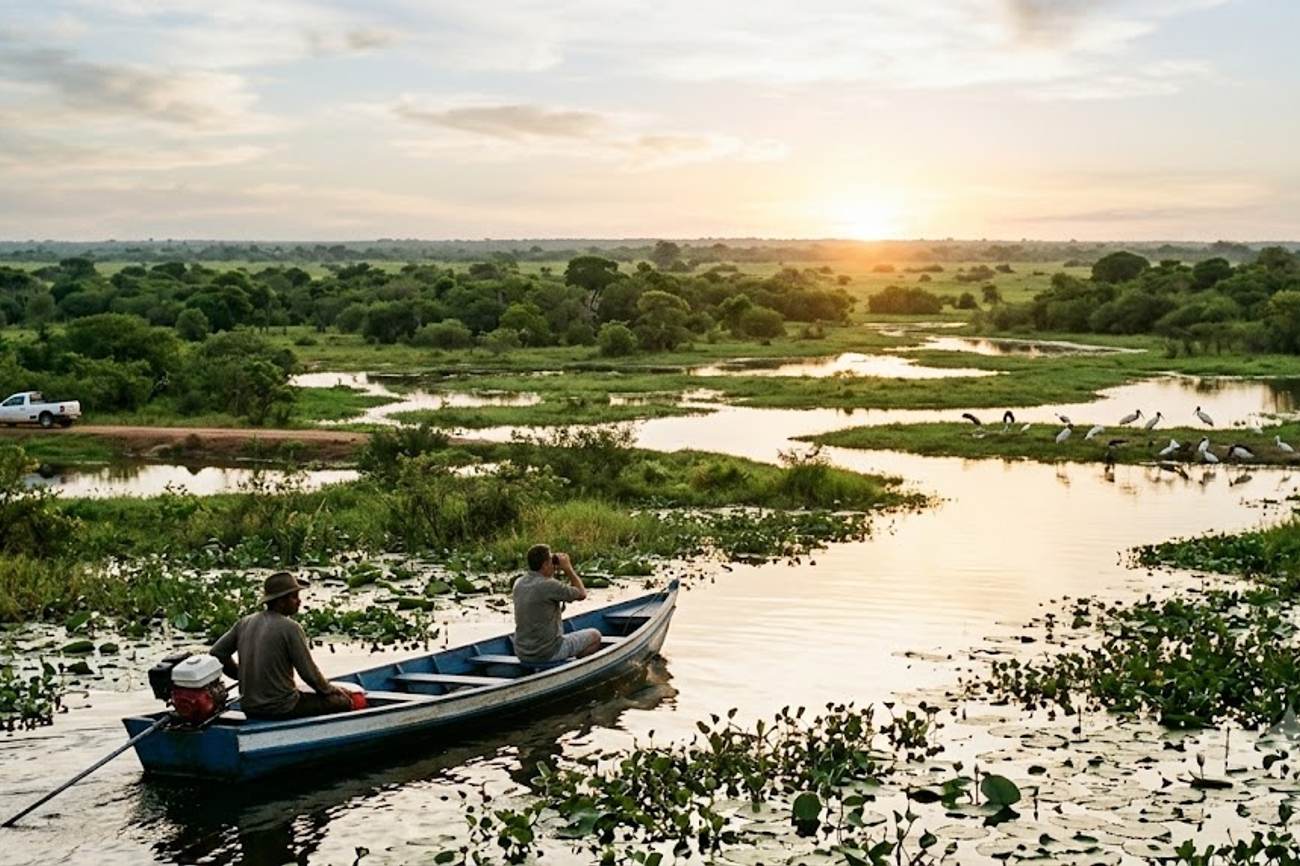
Image generated by AI
Corumbá Initiates Participatory Tourism Strategy
The municipal government of Corumbá, Brazil, has entered a formal consultation phase to design a new Destination Management and marketing plan. This initiative aims to refine how the city manages its visitor economy and promotes its unique position as a critical entry point to the Pantanal wetlands.
A public consultation session is scheduled for 10 September 2026, from 8:00 am to 11:00 am at Avenida Rio Branco 1180, Bairro Universitário. The session invites local business owners, researchers, tourism workers, and residents to help define the city's identity and future priorities.
This process is designed to create a roadmap for conservation, investment, and professional promotion. However, the project is currently in the evidence-gathering stage; no final budget, infrastructure timeline, or completed strategy has been released.
Strategic Importance of the Corumbá Gateway
Corumbá serves as more than a transit point; it is a diversified hub that blends nature, history, and culture. The city’s tourism value is rooted in several distinct sectors:
- Nature and Wildlife: Access to the Paraguay River and the Serra do Amolar makes it a prime location for photography, biodiversity studies, and wetland exploration.
- Heritage and Urbanism: The Porto Geral and the historic Casario district preserve the city's commercial and riverine history.
- Event-Driven Demand: Major cultural draws include Carnival, the Banho de São João festival, and the Festival América do Sul.
- Specialized Tourism: The region is a recognized center for sport fishing and river-based excursions.
The city's integration with the Estrada-Parque Pantanal—a 116-kilometre route spanning Corumbá, Miranda, and Ladário—further cements its role as a primary artery for nature tourism.
Data-Driven Foundation for Growth
The push for a formal management plan follows measurable evidence of tourism's economic impact. Specifically, the Festival América do Sul, held from 15 to 18 May 2025, demonstrated a significant spike in hotel demand and local spending, as reported by the Mato Grosso do Sul Government on 23 May 2025.
Furthermore, on 10 August 2026, the Brazilian Ministry of Tourism officially highlighted Corumbá's significance for river trips and biodiverse access, providing the federal context that supports this municipal planning effort.
Operational Impact for Travelers
There are no immediate changes to travel logistics. The current planning phase does not alter any of the following:
- Visa and passport requirements.
- Border crossing protocols.
- Transport regulations.
- Existing tourism infrastructure.
The goal of the plan is to improve the long-term visitor experience and reduce the volatility of seasonal tourism, though no international marketing campaigns have been confirmed at this stage.
Evidence Analysis: Planning Focus
The following breakdown illustrates the primary components of the current development process based on official municipal and government data.
| News Component | Share of Focus | Verified Finding | Relevance to Travelers | Official Source |
|---|---|---|---|---|
| Tourism Planning | 40% | Developing a municipal management & marketing plan | Potential for improved visitor experience | Municipality of Corumbá |
| Public Consultation | 25% | Session scheduled for 10 September 2026 | Stakeholder influence on future priorities | Municipality of Corumbá |
| Pantanal Tourism | 15% | Key gateway for river, nature, and heritage | Primary access to major Pantanal sites | Brazilian Ministry of Tourism |
| Economic Evidence | 15% | 2025 cultural festival drove hotel demand | Proves commercial viability of tourism | Mato Grosso do Sul Gov |
| Visas & Borders | 5% | No changes connected to this plan | Existing national rules still apply | Brazilian Foreign Ministry |
Key Takeaways
- Participatory Approach: The plan relies on local stakeholders to identify strengths and weaknesses before finalizing a strategy.
- Diversification: Corumbá aims to move beyond seasonal events toward a year-round tourism model.
- Conservation Focus: Sustainable promotion and environmental protection are core pillars of the proposed management plan.
- No Immediate Disruption: All current travel and immigration rules remain unchanged.
FAQ
Does this plan change how I enter Brazil via Corumbá? No. All visa, passport, and border regulations remain exactly as they are.
What is the main goal of the Destination Management Plan? The goal is to better coordinate promotion, investment, and conservation to ensure Corumbá is managed sustainably and presented effectively to visitors.
When will the new tourism strategies be implemented? The municipality has not yet provided a date for the final approval or implementation of the strategy.
Related Travel Guides
Disclaimer
This article is for informational and educational purposes only. It does not constitute legal, financial, or professional advice. While we strive to provide accurate and up-to-date information, travel policies, regulations, and conditions change rapidly. Always verify information with official sources before making travel decisions. Nomad Lawyer makes no representations about the accuracy, reliability, completeness, or suitability of the information provided. Readers should consult qualified professionals for advice specific to their circumstances. The views expressed in this article are those of the author and do not necessarily reflect the views of Nomad Lawyer.
Preeti Gunjan
Contributor & Community Manager
A passionate traveller and community builder. Preeti helps grow the Nomad Lawyer community, fostering engagement and bringing the reader experience to life.
Learn more about our team →