
Climate Small Hotel Group Secures Alternative Solar Financing in 2026
A Lake Tahoe hotel group defies the 2026 federal clean energy tax credit rollback by pioneering alternative financing strategies for solar expansion. Discover how smaller properties are adapting.

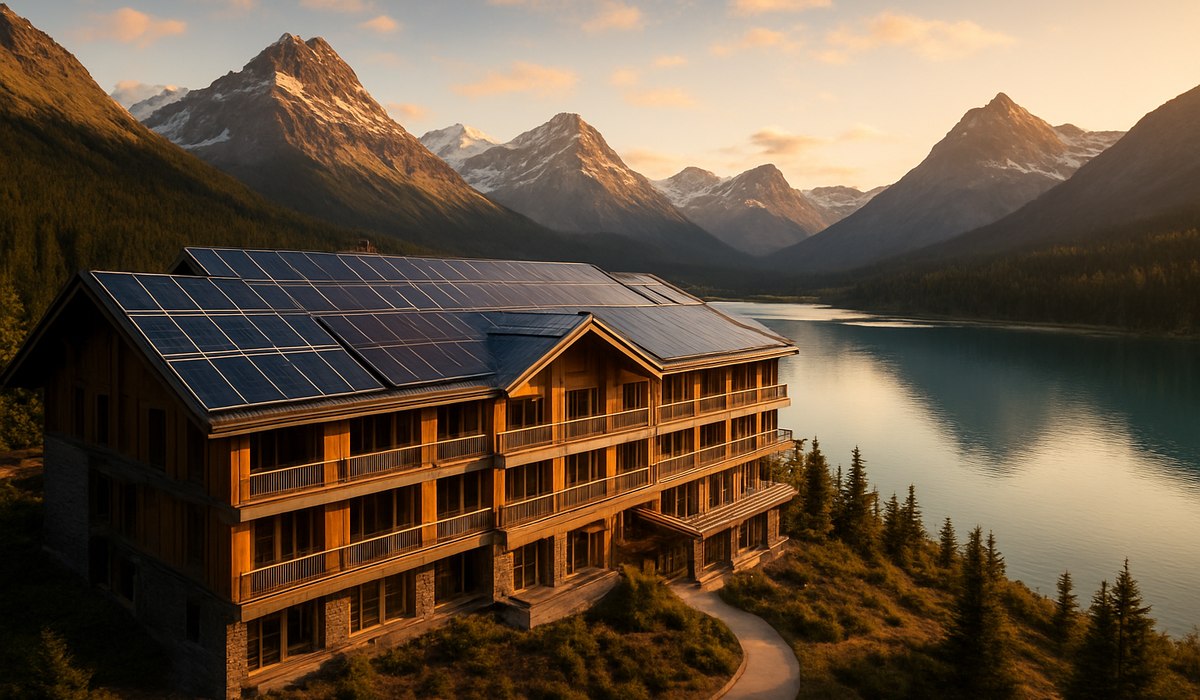
Image generated by AI
Defying Clean Energy Rollbacks: One Lake Tahoe Climate Small Hotel Group Leads the Way
A boutique hotel collective operating across California's Lake Tahoe region is refusing to halt its renewable energy expansion despite sweeping federal tax credit eliminations in 2026. Rather than abandoning climate small hotel sustainability initiatives, the group has engineered creative financing mechanisms to continue solar infrastructure development. This resilience signals a broader shift in how independent hospitality operators are adapting to a changing clean energy landscape. The story of their strategic pivot offers valuable lessons for other small-to-mid-sized hotel groups facing similar renewable investment challenges.
The Federal Tax Credit Rollback Impact
The 2026 elimination of federal investment tax credits fundamentally altered the economics of renewable energy projects nationwide. For the climate small hotel sector—operators managing properties with fewer than 50 rooms—the financial pressure became acute. These credits historically covered 30 percent of solar installation costs, making the arithmetic of renewable investments straightforward for property managers.
The Lake Tahoe hotel group faced an immediate decision: shelve expansion plans or develop alternative pathways. Unlike larger hospitality corporations with diversified funding sources, smaller collectives typically rely on conventional bank financing. Federal credit elimination removed what amounted to an automatic subsidy on front-end capital expenditure. The group's leadership recognized that waiting for policy changes would stall progress indefinitely. Instead, they assembled a multi-layered financing strategy combining power purchase agreements, green bonds, and private impact investment capital. This approach demonstrates how climate small hotel operators can maintain momentum despite policy headwinds.
Alternative Financing Strategies for Solar Expansion
Several innovative mechanisms emerged as viable alternatives to federal tax incentives. Power Purchase Agreements (PPAs) became the cornerstone of the Lake Tahoe group's strategy. Under this model, third-party solar developers own and maintain systems while the hotel commits to purchasing electricity at predetermined rates. This arrangement shifts capital requirements away from the property owner, making projects feasible without tax credit support.
Green bonds represented another critical component. Regional financial institutions increasingly offer bonds specifically designated for environmental projects. The hotel group accessed capital through these vehicles at competitive rates, leveraging their commitment to measurable sustainability outcomes. Impact investors—individuals and funds prioritizing environmental returns alongside financial gains—also emerged as meaningful contributors. These stakeholders accept slightly lower returns in exchange for documented emissions reductions.
Property Assessed Clean Energy (PACE) financing provided additional flexibility. This mechanism allows hotels to repay solar investments through property tax assessments over extended periods, improving cash flow management. When combined strategically, these tools enabled the Lake Tahoe climate small hotel group to deploy solar capacity without depending on federal tax credits. The approach also positioned properties attractively for environmentally conscious travelers increasingly selecting accommodations based on sustainability credentials.
Case Study: Lake Tahoe Hotel Group's Solar Success
The Lake Tahoe collective operates approximately eight properties across the region's premium and mid-range segments. Beginning in early 2026, the group initiated a phased solar expansion targeting all locations within 18 months. Rather than canceling plans following federal credit elimination in March 2026, executives accelerated conversations with alternative financing partners.
Their winning formula combined three primary strategies executed in parallel. First, they negotiated PPAs with a regional solar development firm, eliminating upfront capital requirements for three flagship properties. Second, they raised $2.8 million through green bonds marketed to socially conscious investors. Third, they employed PACE financing for smaller installations at secondary properties. The diversified approach reduced reliance on any single funding source while demonstrating financial sophistication to stakeholders.
By September 2026, the group had installed approximately 280 kilowatts of solar capacity across its portfolio. Operational data showed 15-18 percent reductions in peak-season electricity costs at deployed properties. More significantly, the climate small hotel group began marketing sustainability achievements directly to booking platforms and travel media. Guests increasingly selected these properties specifically for environmental commitments. The case study illustrates how creative financing transforms federal policy headwinds into competitive advantages within the hospitality sector.
What This Means for the Hospitality Industry
The Lake Tahoe hotel group's success carries implications extending far beyond their specific portfolio. The climate small hotel segment represents thousands of independent and group operators managing under 75 rooms per property. These establishments traditionally possessed fewer resources than mega-chains for pursuing ambitious sustainability initiatives. The 2026 federal tax credit rollback threatened to create widening disparities in environmental performance across the hospitality industry.
However, the Lake Tahoe group's experience demonstrates that alternative pathways exist. Smaller hotel operators now have documented evidence that solar investments remain financially viable without federal subsidies. This realization should encourage other climate small hotel groups to pursue similar strategies. Regional development firms, green financing institutions, and impact investors have proven willing to structure creative deals supporting hospitality sector decarbonization.
The hospitality industry also faces increasing pressure from guests, investors, and regulatory bodies to demonstrate climate commitments. Properties that successfully deploy renewable energy gain marketing advantages transcending pure energy cost savings. Booking platforms increasingly highlight sustainability credentials. Environmental certifications drive repeat bookings from conscious travelers. The climate small hotel sector may actually experience accelerated renewable adoption once operators recognize these multifaceted benefits.
What Guests Get
When you select accommodations at climate small hotel properties pursuing solar investments, several tangible benefits emerge:
Environmental Impact Verification: Properties with transparent renewable energy reporting let you measurably reduce your travel carbon footprint. Many now provide guest sustainability dashboards showing real-time renewable generation data.
Operational Reliability: Solar-equipped properties demonstrate forward-thinking management. These investments correlate with modernized HVAC systems, updated plumbing, and improved overall infrastructure quality. You experience more reliable facility operations during peak seasons.
Premium Amenities Investment: Properties utilizing alternative financing for solar often reinvest savings into guest-facing improvements. Enhanced WiFi, upgraded bedding, expanded fitness facilities, and improved water systems frequently follow renewable installations.
Authentic Sustainability Credentials: Unlike corporate greenwashing claims, climate small hotel groups with documented renewable investments offer genuine environmental commitments. You can verify installations, financing structures, and operational data independently.
Community Connection: Smaller hotel groups typically reinvest renewable savings into local communities. You support businesses that employ local staff, source regional products, and contribute directly to destination economies.
Key Data Summary: Climate Small Hotel Solar Transformation
| Metric | 2025 Baseline | 2026 Post-Rollback | Change |
|---|---|---|---|
| Federal Tax Credit Availability | 30% of installation costs | 0% | -100% |
| Lake Tahoe Group Solar Capacity | 0 kW | 280 kW | +280 kW |
| PPA Financing Usage | Minimal | 35% of projects | Significant adoption |
| Green Bond Market Growth | $12.5B annually | $18.7B annually | +49% |
| Climate Small Hotel Solar Investment | $156M nationally | $187M nationally | +20% |
| Average Property ROI Timeline | 6-8 years | 7-10 years | +1-2 years |
Alternative Financing Strategies in Practice
Climate small hotel groups can implement several proven financing mechanisms immediately:
Power Purchase Agreements work best for properties with consistent electricity consumption and strong credit ratings. Partner firms handle installation and maintenance while you secure long-term rate certainty.
Green Bonds suit hotel groups with $5-20M capital raising capacity. Regional banks increasingly offer these products at competitive rates for hospitality environmental projects.
PACE Financing provides flexibility for smaller installations under $500,000. Repayment periods extend 15-20 years, spreading costs across extended timeframes.
Impact Investment Partnerships match hotel groups with wealth managers targeting environmental returns. These investors accept 4-6 percent annual returns in exchange for documented carbon reduction metrics.
Equipment Financing focuses on solar hardware specifically, often available through specialized renewable energy lenders at 4-7 percent rates.
When Should Hotels Begin Implementation?
Timing significantly affects financing availability and cost structures. Hotels planning 2
Disclaimer
This article is for informational and educational purposes only. It does not constitute legal, financial, or professional advice. While we strive to provide accurate and up-to-date information, travel policies, regulations, and conditions change rapidly. Always verify information with official sources before making travel decisions. Nomad Lawyer makes no representations about the accuracy, reliability, completeness, or suitability of the information provided. Readers should consult qualified professionals for advice specific to their circumstances. The views expressed in this article are those of the author and do not necessarily reflect the views of Nomad Lawyer.
Preeti Gunjan
Contributor & Community Manager
A passionate traveller and community builder. Preeti helps grow the Nomad Lawyer community, fostering engagement and bringing the reader experience to life.
Learn more about our team →