
Climate Cruise Line Cuts 90% Emissions on Norwegian Fjord Voyage
Havila Voyages achieves 90% emissions reduction on 12-day Norwegian fjord cruises in 2026, proving sustainable shipping is viable—but scaling green infrastructure remains the industry's biggest challenge.

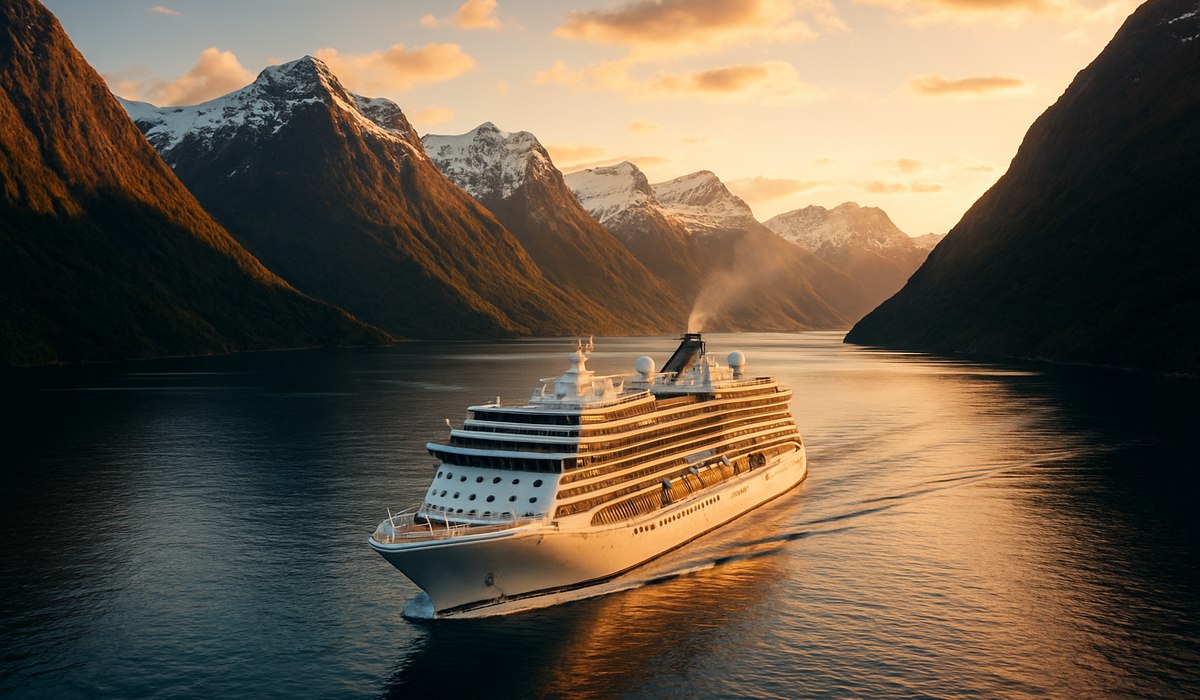
Image generated by AI
Havila Voyages Demonstrates Low-Emission Arctic Cruising Is Achievable
Havila Voyages, the Norwegian explorer cruise operator, has proven that dramatically reducing cruise ship emissions is technically feasible. Their 12-day fjord voyages through Norway now operate at 90% lower emissions compared to conventional cruise ships. The milestone raises an uncomfortable reality: while individual cruise lines can innovate, the global maritime infrastructure necessary to scale this technology lags dangerously behind. This breakthrough matters for conscious travelers seeking sustainable vacation options while the cruise industry grapples with its environmental footprint.
The achievement underscores a critical tension in modern cruise travel. Technological solutions exist. What's missing is the widespread port infrastructure, bunker fuel availability, and industry-wide adoption needed to transform the entire sector. For nomadic professionals and leisure travelers concerned about their carbon impact, understanding this gap is essential to making informed cruise decisions in 2026.
Cruise Itinerary at a Glance
| Aspect | Details |
|---|---|
| Operator | Havila Voyages |
| Voyage Duration | 12 days |
| Primary Route | Norwegian Fjords (Svalbard, Spitsbergen, North Cape) |
| Emissions Reduction | 90% lower than standard cruise vessels |
| Key Technology | Battery-hybrid propulsion, waste heat recovery, advanced hull design |
| Departure Ports | Tromsø, Svalbard region (seasonal) |
| Typical Capacity | 530 passengers |
| Season | Arctic summer (June–September 2026) |
| Environmental Certification | DNV GL Clean Design notation |
How Havila Achieved 90% Emissions Reduction
Havila's environmental breakthrough stems from three converging innovations. First, the ships deploy battery-hybrid propulsion systems that significantly cut fuel consumption during low-speed navigation through sensitive fjord environments. Second, advanced hull design and optimized engine performance reduce drag and energy waste. Third, sophisticated waste heat recovery systems capture thermal energy typically lost during operation, repurposing it for heating and electrical power.
This isn't theoretical engineering—it's operational reality on Norwegian waters. Yet the technology reveals why scaling matters. Havila's ships require specific port infrastructure: reliable shore-based power systems, LNG (liquefied natural gas) refueling stations, and waste management facilities designed for advanced battery systems. Few global cruise hubs possess this infrastructure. The climate cruise line model works brilliantly in Norway's developed maritime ecosystem but becomes logistically complex elsewhere. For detailed technical specifications, visit Havila Voyages' official website.
Infrastructure Gap: The Real Barrier to Green Cruising
Here lies the uncomfortable truth about sustainable cruise innovation: technology advances faster than ports adapt. Havila's vessels can achieve 90% emissions reduction, but replicating this across the global cruise fleet requires coordinated infrastructure investment that hasn't materialized.
Consider the practical obstacles. Battery-hybrid systems need shore power connections operating at specifications most ports don't support. LNG refueling demands specialized tanker infrastructure, terminal facilities, and supply chains. Advanced wastewater treatment requires certified disposal facilities. The Mediterranean's busy cruise corridors, Caribbean ports, and Asian cruise hubs currently lack standardized green maritime infrastructure.
Additionally, retrofitting existing cruise ships costs tens of millions. New-build vessels incorporating Havila's sustainable technology command premium prices, which cruise lines pass to passengers. This creates an uncomfortable market dynamic: genuinely green cruising remains expensive, limiting accessibility and adoption rates.
Industry Response and CLIA Standards Evolution
The Cruise Lines International Association (CLIA) has acknowledged the sustainability imperative but moved cautiously toward mandatory standards. CLIA member lines, which control roughly 90% of global cruise capacity, have committed to emissions reductions—but voluntary targets often disappoint versus binding regulations.
Havila's achievement challenges the cruise industry's incremental approach. When one operator proves 90% emissions reduction is feasible, competitors face pressure to innovate or face reputational consequences. The 2026 cruise market increasingly segments between environmental leaders and laggards.
Major cruise corporations are responding. Some are ordering next-generation LNG-powered vessels; others are retrofitting with scrubber technology. Yet progress remains uneven. Smaller operators and expedition cruise lines like Havila move fastest; mega-ship operators face steeper capital costs and slower decision cycles.
For current industry standards and CLIA's environmental commitments, consult the Cruise Lines International Association and explore detailed voyage reviews on Cruise Critic.
What This Means for Nomadic Professionals Choosing Cruise Travel
Remote workers and location-independent professionals increasingly research environmental impact before booking travel. Havila's Norwegian fjord cruises appeal to digitally-enabled travelers seeking two things simultaneously: transformative Arctic exploration and measurable sustainability credentials.
Four actionable considerations for conscious cruise travelers:
-
Prioritize newer vessels: Ships built after 2020 incorporate improved environmental technology. Ask your travel agent about specific propulsion systems and emissions certifications before booking.
-
Choose expedition over mega-ships: Smaller explorer vessels typically consume less fuel per passenger and visit more remote, pristine environments—creating natural incentives for environmental stewardship.
-
Research port sustainability practices: A climate cruise line means nothing if departure and arrival ports employ harmful waste management. Request information about port environmental compliance before committing.
-
Calculate true environmental cost: Consider flights, ground transportation, and onboard consumption. A cruise reducing ship emissions by 90% still generates carbon through international airfare; factor this into your overall travel footprint assessment.
What Havila's Achievement Reveals About Cruise Industry Direction
The gap between Havila's innovation and industry-wide adoption exposes an uncomfortable reality: environmental progress in cruise travel depends on three simultaneous shifts.
First, governments must mandate infrastructure investment in green maritime technology. Without binding requirements for shore power systems, LNG terminals, and waste facilities, cruise lines lack incentives to upgrade ports.
Second, cruise operators must balance sustainability against profitability. Eco-conscious passengers represent a growing but still minority market segment. Most cruise shoppers prioritize price and itinerary over emissions data.
Third, passengers—particularly digital nomads and remote workers with time flexibility—must demonstrate demand for sustainable options. If environmental cruises command premium pricing without customer adoption, industry transformation stalls.
Havila proves the technology works. The question now is whether global cruise infrastructure can evolve quickly enough to matter.
Frequently Asked Questions
What emissions technology does Havila use? Havila's ships employ battery-hybrid propulsion systems combining diesel engines with electric motors, advanced hull design, and waste heat recovery systems. This combination reduces fuel consumption by approximately 90% compared to conventional cruise vessels, lowering operational emissions and environmental impact significantly.
Can other cruise lines replicate Havila's 90% emissions reduction? Technically yes, but practically challenging. The technology is proven, yet implementing it fleet-wide requires massive capital investment, port infrastructure upgrades, and crew retraining. Most established cruise corporations prioritize phased, cost-effective improvements rather than complete system overhauls.
Are Havila cruises more expensive due to environmental technology? Generally yes. Eco-certified, next-generation vessels cost more to build and operate. However, Havila's pricing remains competitive within the expedition cruise segment. Compare rates directly on the cruise line's website and discount booking platforms.
What's the difference between a climate cruise line and standard cruise operators? Climate-focused operators prioritize emissions reduction, waste management, and environmental certification. Standard cruise lines meet legal minimums but may lack advanced sustainability features
Disclaimer
This article is for informational and educational purposes only. It does not constitute legal, financial, or professional advice. While we strive to provide accurate and up-to-date information, travel policies, regulations, and conditions change rapidly. Always verify information with official sources before making travel decisions. Nomad Lawyer makes no representations about the accuracy, reliability, completeness, or suitability of the information provided. Readers should consult qualified professionals for advice specific to their circumstances. The views expressed in this article are those of the author and do not necessarily reflect the views of Nomad Lawyer.
Kunal K Choudhary
Co-Founder & Contributor
A passionate traveller and tech enthusiast. Kunal contributes to the vision and growth of Nomad Lawyer, bringing fresh perspectives and driving the community forward.
Learn more about our team →