
China Showcases Two Thousand Years of Ceramic History in Jingdezhen, Inviting Global Travelers to Experience Heritage Preservation and Traditional Artistry: New Travel Alert
Discover Jingdezhen in China's Jiangxi Province, where over two millennia of porcelain history invite travelers to explore ceramic arts and heritage preservation.

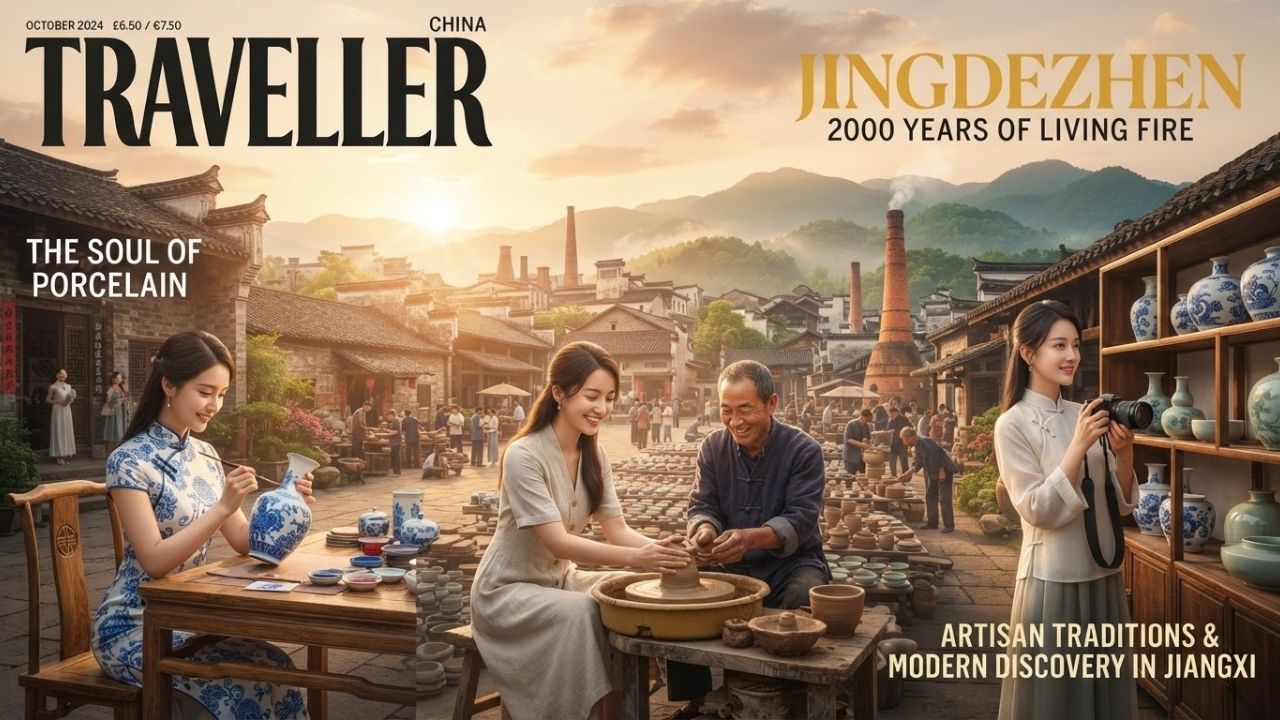
Image generated by AI
Published on July 26, 2026
For more than two millennia, the city of Jingdezhen in eastern China’s Jiangxi Province has served as one of the world's most influential centers of ceramic craftsmanship. Known globally as China’s "Porcelain Capital," the city has preserved an extraordinary artistic legacy that continues to shape international appreciation for fine ceramics. Today, Jingdezhen represents far more than an industrial center; it is a living cultural destination where travelers witness ancient traditions alongside contemporary creativity, highlighting a model for global heritage preservation tourism.
Quick Summary
- Two Millennia of Craft: Jingdezhen has maintained its reputation as the center of Chinese porcelain for over 2,000 years.
- Eastern China Hub: Located in Jiangxi Province, the city relies on high-quality local kaolin clay and historical geography.
- Immersive Tourism: Travelers participate in hands-on pottery workshops, glazing demonstrations, and kiln firing exhibitions.
- Global Creative Center: Connects traditional Chinese master potters with contemporary international artists through exchanges.
- Sustainable Future: Conservation plans focus on restoring ancient brick kiln complexes and documenting artisan skills.
Context and Background: Eastern China’s Porcelain Legacy and Heritage Preservation
Maintaining the continuity of ancient craftsmanship requires a balance between industrial production and cultural conservation. According to guidelines compiled by the Ministry of Culture and Tourism to monitor historical assets, protecting intangible skills is essential to support regional tourism economies. By restoring historic districts, local authorities can prevent urban development from destroying centuries-old craft centers.
This systematic conservation strategy aligns with protection guidelines monitored by the UNESCO World Heritage Centre for safeguarding intangible craftsmanship and historic sites. In Jingdezhen, local initiatives integrate ancient wood-firing kilns with modern studio spaces, creating a sustainable environment for heritage learning. For Jiangxi Province, investing in heritage preservation ensures that the city remains a dynamic destination for researchers, designers, and cultural travelers.
Event and Incident Details: Jingdezhen’s Artisan Studios and Heritage Preservation Initiatives
Jingdezhen's cultural ecosystem is structured around several historical sites, interactive museums, and working pottery studios.
Jingdezhen Ceramic Heritage and Travel Guide:
| Heritage Asset / Experience | Cultural & Artistic Preservation | Educational & Interactive Value | Economic & Tourism Contribution |
|---|---|---|---|
| Ancient Kiln Sites | Restores centuries-old brick complexes | Firing technique demonstrations | Attracts global historians & collectors |
| Kaolin Clay Deposits | Core structural material for porcelain | Technical glaze and composition study | Inspires international artist residencies |
| Artisan Workshops | Transmits generations-old pottery skills | Hands-on throwing & shaping courses | Supports family-owned creative studios |
| Porcelain Museums | Safeguards historical dynasty collections | Curated educational group tours | Promotes regional cultural destination status |
| Creative Districts | Connects contemporary art with heritage | Collaborative gallery exhibitions | Drives weekend craft market commerce |
The city's natural deposits of kaolin clay and access to regional waterways historically allowed successive dynasties to refine porcelain techniques. Today, visitors can tour active kiln sites, explore expansive museums housing imperial collections, and walk through cultural streets dedicated to independent ceramic makers.
Risk and Impact: Summer Weather, Crowds, and Language Barriers
While visiting the Porcelain Capital offers a memorable cultural experience, travelers should plan for specific regional factors:
- High Summer Temperatures: Jiangxi Province experiences hot and humid weather during July and August, requiring outdoor travelers to stay hydrated.
- Busy Studio Bookings: Hands-on pottery workshops at popular artisan studios can fill up quickly during national holidays.
- Language Barriers in Workshops: Many traditional master potters speak only local dialects, making translation apps or guides useful.
- Fragile Souvenir Logistics: Packing and shipping delicate porcelain purchases home requires professional packaging services.
- Uneven Historic Pavements: Exploring historic kiln districts involves walking on uneven cobblestones and ancient pathways.
What Cultural Educators and Tourism Managers Are Saying
Tourism managers state that modern travelers value living traditions where they can interact directly with master potters. Cultural educators confirm that the exchange between historical Chinese craftsmanship and contemporary global artists prevents traditional techniques from becoming static. Conservation directors emphasize that prioritizing sustainable local studios over mass production is the most effective way to preserve Jingdezhen's distinctive cultural identity.
Practical Traveler Advice: Planning Your Ceramic Tour in Jiangxi
For travelers planning a cultural journey to Jingdezhen, travel advisors recommend the following tips:
- Book Hands-On Workshops in Advance: Reserve your throwing and glazing classes online before arriving in the city.
- Visit Historic Kilns Early: Plan your visits to ancient kiln complexes during cooler morning hours to avoid midday heat.
- Use Professional Shipping Services: Arrange for museum-grade packaging at local post offices to transport fragile ceramics safely.
- Hire a Local English-Speaking Guide: Optimize your workshop visits by hiring a guide who can translate technical instructions.
- Explore Night Ceramic Markets: Visit the local artisan markets in the evening to purchase unique, handcrafted souvenirs directly from students.
Broader Context: Jingdezhen's Global Trade History
Chinese porcelain from Jingdezhen has influenced decorative arts, architecture, trade routes, and international design for centuries. The city's products were exported globally along the ancient Maritime Silk Road, establishing China's reputation for luxury craftsmanship. This deep historical connection continues to draw international researchers, ceramic collectors, and designers who wish to trace the origins of ceramic trade and study ancient kiln technology.
Looking Ahead: Advanced Kiln Restorations and Art Festivals
Looking forward, local preservation groups will continue restoring historic kiln complexes while expanding academic exchange programs. The city will host annual international art festivals to showcase collaborative ceramic works created by local masters and resident global artists. As sustainable cultural tourism grows in eastern China, these initiatives will ensure that Jingdezhen remains a vibrant center for ceramic excellence.
Conclusion: A Living Legacy of Artistry
Ultimately, Jingdezhen's success in balancing ancient techniques with modern creativity shows the value of active cultural conservation. By participating in interactive workshops and supporting local artisan markets, travelers contribute directly to the city's continuity. Planning your travel details carefully will guarantee an inspiring and educational journey through China's porcelain heartland.
FAQ: Jingdezhen China Ceramic Tourism
Why is Jingdezhen known as the Porcelain Capital?
The city has served as the center of Chinese porcelain production for over 2,000 years, supplying imperial courts and global trade routes with fine ceramics.
Where is Jingdezhen located?
Jingdezhen is situated in Jiangxi Province in eastern China, a region historically rich in kaolin clay resources.
Can tourists try making pottery in Jingdezhen?
Yes. Numerous local workshops and studios offer hands-on classes where visitors can shape, glaze, and fire their own ceramic creations.
How does the city balance heritage conservation with tourism?
Local conservation strategies focus on restoring historic brick kiln complexes, supporting artisan apprentice training, and encouraging sustainable local sourcing.
Related Travel Guides
- Global Sustainable Tourism Council Establishes New Food and Beverage Standard to Standardize Sustainable Green Dining Practices Across Hotels Worldwide: New Travel Alert
- New York Hosts The Lineup Slice Shop in Williamsburg, Inviting Food Travelers to Explore the Future of Gastronomic Tourism: New Travel Alert
- Vietnam Introduces New E-Visa System Upgrades to Simplify Entry Procedures and Boost International Tourist Arrivals: New Travel Alert
Disclaimer
This article is for informational and educational purposes only. It does not constitute legal, financial, or professional advice. While we strive to provide accurate and up-to-date information, travel policies, regulations, and conditions change rapidly. Always verify information with official sources before making travel decisions. Nomad Lawyer makes no representations about the accuracy, reliability, completeness, or suitability of the information provided. Readers should consult qualified professionals for advice specific to their circumstances. The views expressed in this article are those of the author and do not necessarily reflect the views of Nomad Lawyer.
Kunal K Choudhary
Co-Founder & Contributor
A passionate traveller and tech enthusiast. Kunal contributes to the vision and growth of Nomad Lawyer, bringing fresh perspectives and driving the community forward.
Learn more about our team →