
China Inbound Tourism Surge 2026: Visa-Free Policies Drive Growth from India and Southeast Asia
China's tourism sector sees a rapid influx of international visitors from India, Singapore, Malaysia, Thailand, and Vietnam following expanded visa-free policies and improved regional connectivity.

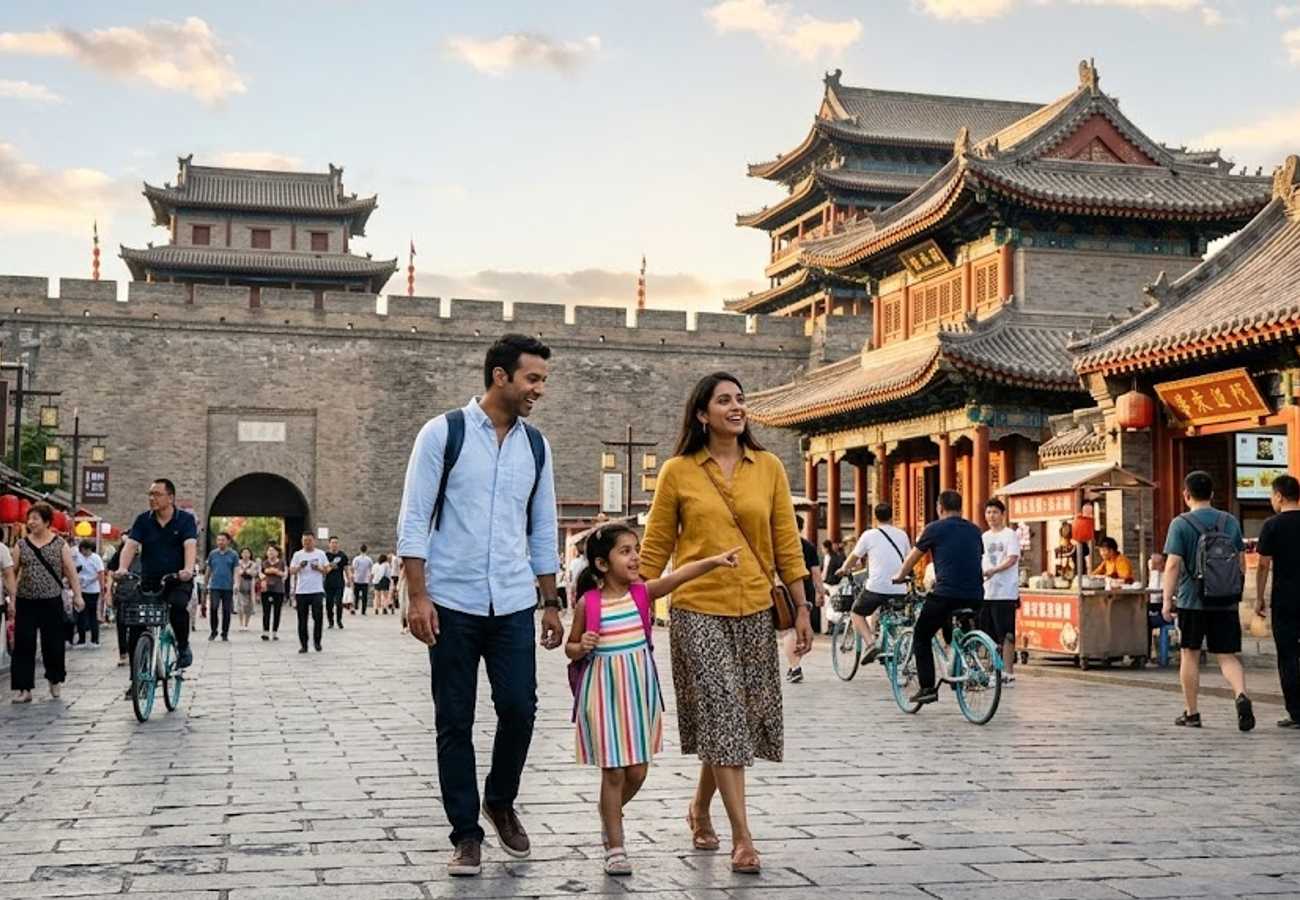
Image generated by AI
China is experiencing a significant acceleration in inbound tourism, driven by a strategic shift toward expanded visa-free policies and streamlined entry procedures. This policy pivot has triggered a surge in arrivals from key Asian markets, specifically Singapore, Malaysia, Thailand, Vietnam, and India, as well as growing interest from Central Asian and Russian-speaking regions.
The growth is manifesting across diverse traveler segments, ranging from high-level business delegations and corporate investors to family groups exploring ancestral roots and leisure tourists. This influx is placing a renewed focus on China's hospitality infrastructure, forcing hotels to modernize their service models to meet global expectations.
Primary Gateways and Regional Hubs
International visitors are primarily concentrating in major urban centers that serve as economic and cultural anchors. The most active gateways currently include:
- Beijing and Xi’an: Primary hubs for cultural, historical, and heritage tourism.
- Shanghai and Guangzhou: Critical destinations for international commerce and trade.
- Shenzhen: A magnet for technology sector professionals and smart manufacturing visitors.
- Chongqing and Chengdu: Emerging hotspots for leisure and regional exploration.
The Impact of Visa Facilitation and Connectivity
The removal of traditional visa barriers has fundamentally altered the travel decision-making process for regional neighbors. Shorter travel distances combined with enhanced flight connectivity have made China a more accessible destination for Southeast Asian travelers.
A notable trend within this demographic is the rise of "heritage tourism." Many families from Singapore, Malaysia, Thailand, and Vietnam are visiting China to reconnect with ancestral history and explore cultural sites linked to their family backgrounds. This segment is particularly valuable to the industry due to its high potential for repeat visits.
Simultaneously, Central Asian and Russian-speaking markets are contributing high-value growth. These visitors typically engage in business inspection trips and long-distance leisure travel, characterized by longer stay durations and more extensive planning cycles.
India: A Strategic Growth Engine
India has emerged as one of the most pivotal source markets for China’s tourism recovery. The demand is split between two primary drivers:
- Corporate and Industrial Interest: Large business delegations are increasingly visiting Shenzhen and Guangzhou to explore technology hubs, manufacturing centers, and new investment opportunities.
- Cultural Exploration: There is a growing appetite among Indian leisure travelers for the historical landscapes of Beijing and Xi’an.
This shift indicates a transition in China's tourism landscape, moving away from a reliance on traditional Western markets toward a more integrated Asian travel ecosystem.
Hospitality Challenges and the Integration Gap
While the volume of arrivals is increasing, the Chinese hotel sector faces a structural challenge: the "integration gap." Historically, international visitor networks and hotel operations have functioned in silos, leading to fragmented coordination.
To convert rising visitor numbers into sustainable economic gains, the industry is now focusing on several critical upgrades:
- Service Localization: Implementing multilingual support and cultural sensitivity training to accommodate diverse guest needs.
- Digital Transformation: Moving beyond basic booking platforms to integrate more flexible, global-standard reservation systems.
- Strategic Partnerships: Establishing direct ties with overseas tourism operators rather than relying solely on third-party aggregators.
Tourism Infrastructure Outlook
| Visitor Segment | Primary Origin Markets | Key Destinations | Primary Driver |
|---|---|---|---|
| Business/Tech | India, Central Asia | Shenzhen, Guangzhou | Trade & Manufacturing |
| Heritage/Family | Singapore, Malaysia, Thailand, Vietnam | Beijing, Xi'an | Ancestral Roots |
| Cultural/Leisure | India, Russia, SE Asia | Beijing, Chongqing, Chengdu | History & Sightseeing |
The success of China's tourism rebound now depends on the industry's ability to bridge the gap between increased accessibility and high-quality service delivery.
Key Takeaways
- Policy-Driven Growth: Visa-free arrangements are the primary catalyst for the 2026 surge in international arrivals.
- Asian Market Dominance: India and Southeast Asian nations (Singapore, Malaysia, Thailand, Vietnam) are now the leading drivers of inbound traffic.
- Diverse Motivations: Travel is split between high-tech business exploration in the south and cultural heritage journeys in the north.
- Hospitality Pivot: Hotels must shift from passive accommodation to integrated service providers to maintain international competitiveness.
FAQ
Which countries currently benefit from easier entry into China? Singapore, Malaysia, Thailand, Vietnam, and India are among the key markets seeing expanded visa-free or facilitated entry options.
What are the most popular cities for Indian business travelers? Shenzhen and Guangzhou are the top choices for those visiting technology and manufacturing hubs, while Beijing and Xi'an attract those interested in culture and history.
How is the hotel industry adapting to this surge? Hotels are focusing on multilingual support, improving global distribution systems, and forming direct partnerships with international travel networks to better serve diverse guest needs.
Related Travel Guides
Disclaimer
This article is for informational and educational purposes only. It does not constitute legal, financial, or professional advice. While we strive to provide accurate and up-to-date information, travel policies, regulations, and conditions change rapidly. Always verify information with official sources before making travel decisions. Nomad Lawyer makes no representations about the accuracy, reliability, completeness, or suitability of the information provided. Readers should consult qualified professionals for advice specific to their circumstances. The views expressed in this article are those of the author and do not necessarily reflect the views of Nomad Lawyer.
Preeti Gunjan
Contributor & Community Manager
A passionate traveller and community builder. Preeti helps grow the Nomad Lawyer community, fostering engagement and bringing the reader experience to life.
Learn more about our team →