
China Gripped by Massive Aviation Gridlock: 96 Flight Cancellations and 320 Delays Stranded Thousands Across Shanghai, Beijing, Chengdu, and Xi'an; Major Travel Chaos for China Eastern and 9 Air
China’s aviation infrastructure is currently navigating a period of severe operational friction. With 96 flight cancellations and 320 delays reported on May 11, 2026, the disruption is rippling across the nation’s busiest hubs, including Shanghai Pudong, Beijing Capital, and Chengdu Tianfu. Major carriers like China Eastern and 9 Air are struggling with massive backlogs, triggering widespread travel chaos for thousands of domestic and international travelers.

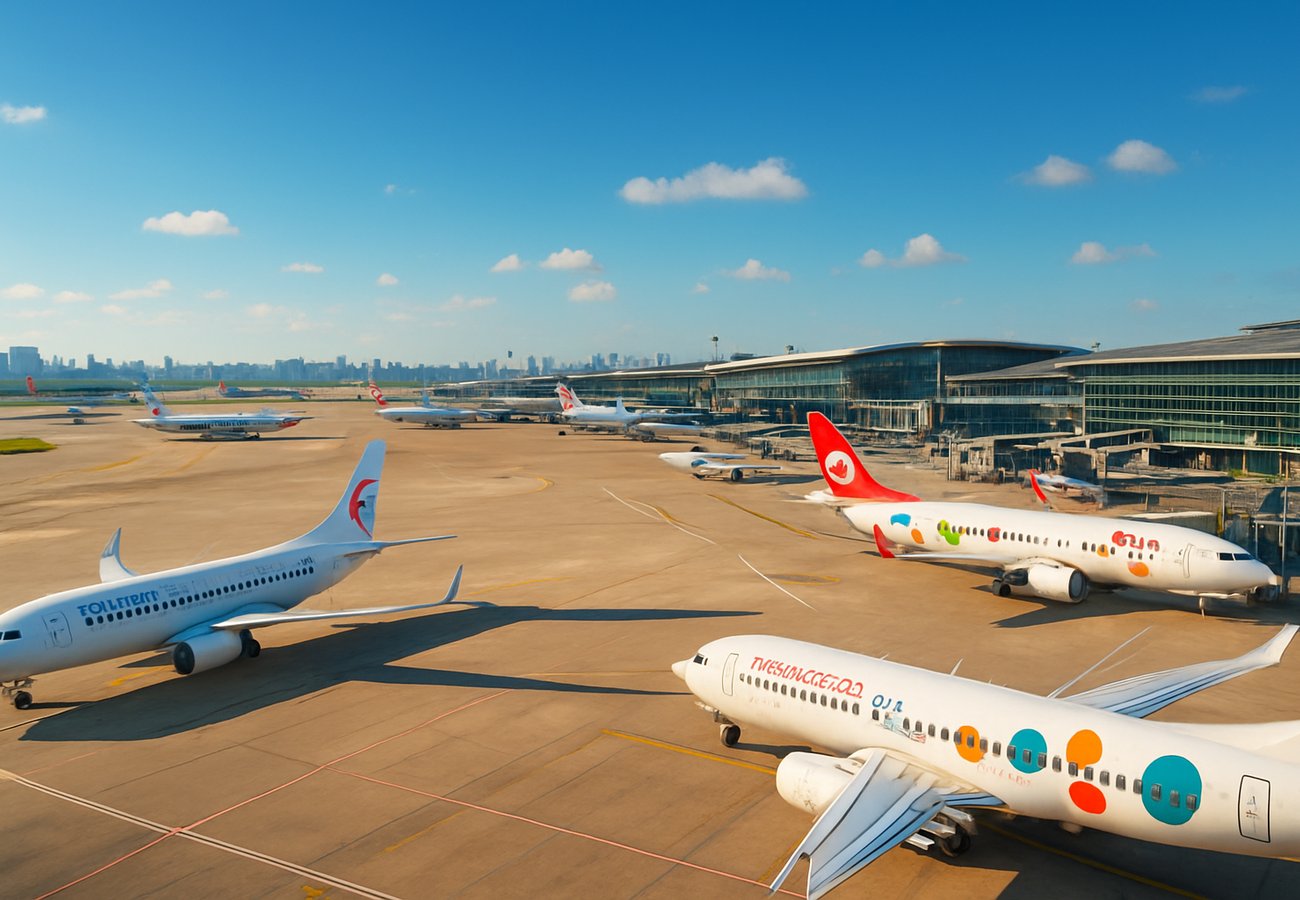
China Gridlock: Major airports manage 96 cancellations and 320 delays on May 11.
China Faces "Great Aviation Gridlock": 96 Flight Cancellations and 320 Delays Trigger Massive Travel Chaos; Major Aviation News for Shanghai, Beijing, Chengdu, and Xi'an Passengers
In a significant operational collapse across the world’s second-largest aviation market, China’s primary air hubs are currently reeling from a schedule breakdown that has left thousands of passengers stranded. This airline news update, confirmed on May 11, 2026, via FlightAware data, reports 96 flight cancellations and 320 delays impacting both domestic and international sectors. From the financial skyscrapers of Shanghai to the historic corridors of Xi'an and the northern gateways of Beijing, the "China Gridlock" is creating a wave of travel chaos that is testing the limits of the nation’s transport infrastructure.
The disruptions have rippled through the country’s most sophisticated terminals, leaving major carriers including China Eastern Airlines, Tianjin Airlines, 9 Air, China Express, Air China, and Shanghai Airlines struggling to maintain their turnarounds. As airport staff work to manage the overflow of distressed travelers, the ripple effects are being felt across the entire Asian aviation network, particularly for those connecting through Shanghai and Beijing to global destinations.
Expanded Overview: The Scale of the Great Aviation Gridlock
The scale of the disruption across China is a reminder of the massive volume handled by the nation’s "Super-Hubs." This aviation update highlights that when hubs like Shanghai Pudong (PVG) and Chengdu Tianfu (TFU) experience even minor friction, the impact is felt nationwide. The 320 delays reported today are not merely local incidents; they are triggering massive ripple effects at regional airports. For instance, China Eastern is struggling with a combined 22 cancellations and 81 delays across just three major hubs, while budget carrier 9 Air has seen its Guiyang operations essentially halved.
"China is navigating a 'Network Saturation' crisis today," stated a senior aviation journalist. "When you have 96 grounded flights and 320 schedule slips in a single 24-hour bank, the system loses its ability to recover. We are seeing a 'Cascading Failure' where a delay in a coastal hub like Shanghai triggers a total cancellation in a frontier hub like Kashgar. For the business traveler in Beijing or the tourist in Xi'an, the reliability of the air bridge has been compromised."
Section-Wise Breakdown: The Hubs in Crisis
Shanghai Pudong (PVG): The International Bottleneck
As China’s premier international gateway, Shanghai Pudong is facing the highest volume of friction. With 147 delays and 14 cancellations, the airport is at a standstill. China Eastern leads the backlog here with 44 delays, while international carriers like Garuda Indonesia and Mahan Air are reporting 100% delay rates for their Shanghai sectors.
Chengdu Tianfu (TFU): The Western Hub Gridlock
In the heart of the west, Chengdu Tianfu is struggling with 15 cancellations and 61 delays. The disruption here is particularly impactful for those heading to the Tibetan plateau or the southwestern provinces. Sichuan Airlines is currently managing 22 individual delays, creating a massive backlog at the terminal.
Xi'an Xianyang (XIY): The Cultural Corridor Shutdown
Xi'an, the home of the Terracotta Warriors, is enduring a severe connectivity cut. With 21 cancellations and 51 delays, the airport is effectively offline for a significant portion of its morning bank. China Eastern alone has grounded 12 flights at XIY, a 4% operational cut that is rippling through the regional Silk Road corridor.
Beijing Capital (PEK): The Northern Gateway Friction
In the capital, the aviation infrastructure is buckling under 12 cancellations and 40 delays. While the numbers are lower than Shanghai, the status of Beijing as the nation’s political and transport heart means that even these "Minor Fluctuations" are triggering 50% delay rates for carriers like Hong Kong Airlines and Ethiopian Airlines.
Guiyang and Kashgar: The Frontier Collapse
The most dramatic percentage-based disruptions are occurring in the south and far west:
- Guiyang (KWE): 9 Air has grounded 52% of its operations (12 cancellations), a move that has effectively stranded half of its Guiyang-based passengers.
- Kashgar (KHG/Kashi): China Express and Chengdu Airlines have grounded 31% and 28% of their flights respectively, creating an "Isolation Risk" for the far western frontier.
China Operational Status: May 11, 2026 Disruption Matrix
The following tables summarize the raw data behind the current schedule collapse across China's major hubs.
1. Shanghai Pudong (PVG) Disruption Profile
| Airline | Cancelled | Delayed | Delay % |
|---|---|---|---|
| China Eastern | 10 | 44 | 10% |
| Shanghai Airlines | 4 | 14 | 8% |
| Spring Airlines | 0 | 22 | 19% |
| Garuda Indonesia | 0 | 2 (100%) | Critical |
2. Chengdu Tianfu (TFU) Disruption Profile
| Airline | Cancelled | Delayed | Delay % |
|---|---|---|---|
| China Eastern | 7 | 12 | 9% |
| Sichuan Airlines | 0 | 22 | 11% |
| Hainan Airlines | 5 | 1 | Moderate |
3. Xi'an Xianyang (XIY) Disruption Profile
| Airline | Cancelled | Delayed | Delay % |
|---|---|---|---|
| China Eastern | 12 | 25 | 8% |
| Tianjin Airlines | 2 | 4 | 7% |
| China Express | 2 | 1 | Critical |
4. Beijing Capital (PEK) Disruption Profile
| Airline | Cancelled | Delayed | Status |
|---|---|---|---|
| Air China | 7 | 22 | High Volume |
| Hainan Airlines | 5 | 4 | Severe |
| Ethiopian Airlines | 0 | 1 (50%) | Moderate |
5. Frontier Hubs: Guiyang & Kashgar
| Hub / Airline | Cancelled | Impact % | Status |
|---|---|---|---|
| Guiyang / 9 Air | 12 | 52% | Collapse |
| Kashgar / China Express | 7 | 31% | Isolation |
Source: FlightAware Official Metrics. Manual sourcing active. Data as of May 11, 2026.
Passenger Impact: The Shift to High-Speed Rail
For the thousands of travelers stranded across China today, the experience is one of "Tactical Adaptation":
- Rail Redirection: Business travelers in the Beijing-Shanghai and Xi'an-Chengdu corridors are abandoning the airports in favor of the high-speed rail network, which remains the only reliable alternative during this aviation gridlock.
- Cultural Tourism Downtime: International visitors heading to Xi'an or Kashgar are finding their "Silk Road" itineraries destroyed by the 50%+ cancellation rates of regional carriers like 9 Air.
- Digital Desperation: Passengers at PVG and PEK are being urged to use airline apps for rebooking, as physical queues at China Eastern and Air China counters are exceeding 3-hour wait times.
Industry Analysis: The Fragility of the Air Bridge
Aviation analysts suggest that the situation in China is a result of "Volume Saturation." When a nation operates at the frequency and density of China, even minor operational hurdles trigger a cascading grounding. Regional carriers like 9 Air and China Express, which operate on thin margins and tight rotations, are the first to experience a total "Operational Sinking" when hubs like Guiyang or Kashgar face schedule erosion. The dominance of the high-speed rail network continues to provide a safety valve, but for transcontinental and international travel, the "Air Bridge" remains a single point of failure.
Conclusion: Navigating the Great Chinese Recovery
As Shanghai, Beijing, and Chengdu work through the 320 delays and attempt to restore the 96 suspended flights, the road to recovery will take through the late evening. While the airlines and airport staff are working tirelessly to restore normalcy, the "China Gridlock" of May 11, 2026, will be remembered as a significant stress test for the world’s most ambitious aviation market. For the travelers currently navigating this chaos, the message remains: stay updated, look to the rail alternatives, and prepare for a safe journey once the skies clear.
Key Takeaways
- 96 flight cancellations and 320 delays reported across China on May 11, 2026.
- Shanghai Pudong (147 delays) is the worst-hit international gateway.
- 9 Air in Guiyang faces a massive 52% cancellation rate.
- Xi'an and Kashgar face significant connectivity cuts, impacting Silk Road tourism.
- China Eastern and Air China are managing the highest volume of schedule slips.
- Passengers are shifting to high-speed rail as a reliable alternative.
- Thousands of travelers are stranded, with terminal fatigue reaching a peak.
/article-footer-standard
Related Travel Guides:
Disclaimer
This article is for informational and educational purposes only. It does not constitute legal, financial, or professional advice. While we strive to provide accurate and up-to-date information, travel policies, regulations, and conditions change rapidly. Always verify information with official sources before making travel decisions. Nomad Lawyer makes no representations about the accuracy, reliability, completeness, or suitability of the information provided. Readers should consult qualified professionals for advice specific to their circumstances. The views expressed in this article are those of the author and do not necessarily reflect the views of Nomad Lawyer.
Kunal K Choudhary
Co-Founder & Contributor
A passionate traveller and tech enthusiast. Kunal contributes to the vision and growth of Nomad Lawyer, bringing fresh perspectives and driving the community forward.
Learn more about our team →