
How Mongolia is Expanding Nomadic Ger Tourism and National Park Eco-Conservation Amid New Beijing-Ulaanbaatar Flights in 2026
Air China launches the COMAC C919 on its first international commercial route, connecting Beijing with Ulaanbaatar from August 12, 2026.

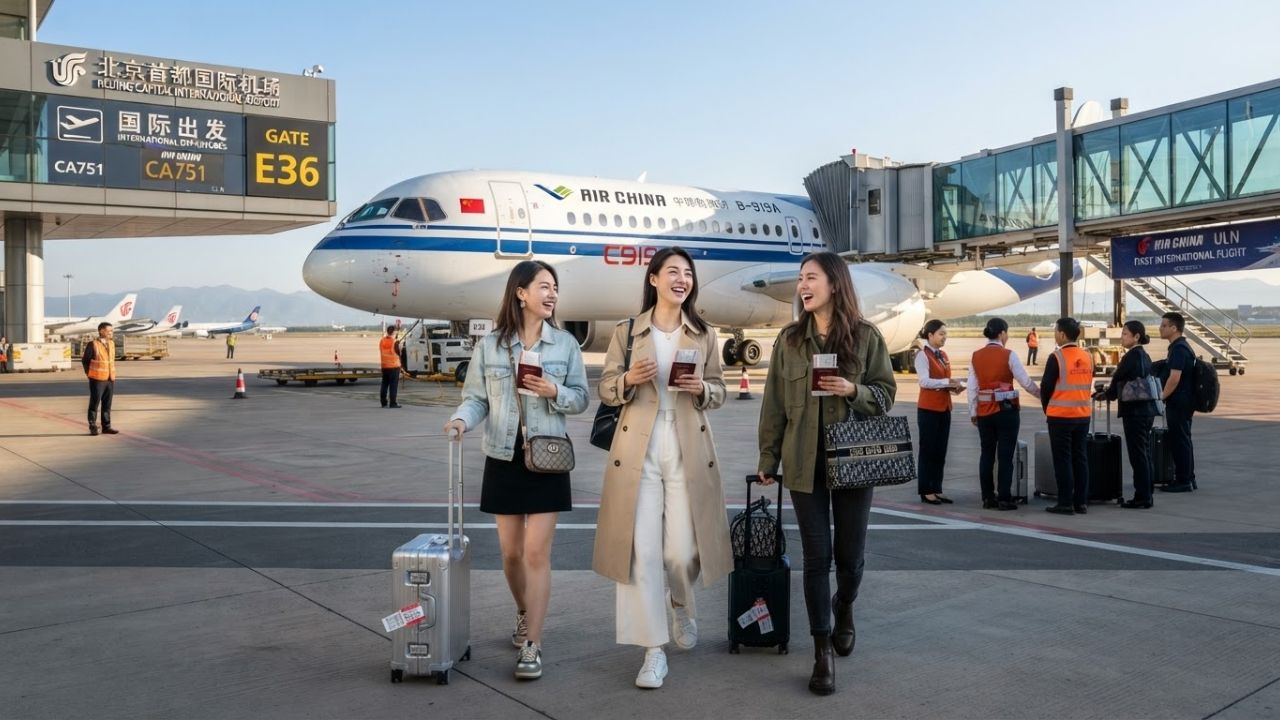
Image generated by AI
How Mongolia is Expanding Nomadic Ger Tourism and National Park Eco-Conservation Amid New Beijing-Ulaanbaatar Flights in 2026
Air China will introduce the Chinese-built COMAC C919 passenger jet on its first international commercial route, connecting Beijing with Ulaanbaatar starting August 12, 2026. The daily service marks a key step in regional aviation expansion.
The Local Trend Revealed
Starting August 12, 2026, Air China will operate the first scheduled international commercial passenger service using China’s homegrown narrowbody passenger jet, the COMAC C919. The route will connect Beijing Capital International Airport (PEK) with Chinggis Khaan International Airport (UBN) in Ulaanbaatar, Mongolia, with a daily round-trip service. This operation shifts the C919 from domestic Chinese flights into a regular international commercial market.
The C919 has previously built operational experience on domestic routes. China Eastern Airlines launched C919 passenger flights between Shanghai and Hong Kong in January 2025, and Air China introduced C919 flights between Beijing and Hong Kong in November of the same year. The Beijing-Ulaanbaatar route will put the jet into a real-world international environment, allowing airlines and aviation experts to evaluate its performance on regional corridors.
Cultural & Environmental Value (Information Gain)
Increasing regional flight options with newer, narrowbody passenger aircraft supports fuel-efficiency goals by replacing older jet types on short-to-medium-haul routes. These regional travel developments are supported by the Mongolian Tourism Association and the Ministry of Environment and Tourism of Mongolia.
To support rural communities, Mongolia has developed community-based tourism programs that direct visitor spending to nomadic herder families. A portion of National Park entry fees is allocated toward conservation projects in Gorkhi-Terelj National Park, protecting the grasslands and granite rock formations. By staying in local ger yurts, purchasing wool felt crafts directly from herder cooperatives, and hiring local equestrian guides, travelers help preserve traditional nomadic heritage while generating sustainable income for rural families.
Visitor Insider Tips
For travelers planning a journey to Ulaanbaatar on these new flights, these expert recommendations will help you experience Mongolia’s nomadic culture and natural heritage.
- Off-Peak Visit Window: Plan your visit to Mongolia during the summer months from June to August to experience the national Naadam Festival and enjoy pleasant, warm outdoor weather. If you prefer cooler temperatures and fewer tourists, the autumn shoulder months of September and October are ideal for viewing the changing colors of the forest.
- Observe Ger Etiquette: When visiting a nomadic family in a traditional ger yurt, avoid stepping on the threshold of the door, as this is considered bad luck. Always receive food, tea, or gifts using your right hand or both hands to show respect.
- Explore Terelj National Park: Located a short drive from the capital, this park offers eco-friendly hiking, horseback riding, and views of the famous Turtle Rock. Visit the Aryabal Meditation Temple to support local Buddhist heritage preservation.
- Try Traditional Mongolian Specialties: Visit local dining halls to taste Buuz (steamed dumplings filled with mutton), crispy fried Huushuur pastries, and slow-cooked Khorkhog prepared with hot river stones. Try a cup of Suutei tsai, a traditional hot, salty milk tea.
- Support Local Crafts at the Black Market: Visit the Naran Tuul Market with a local guide to buy authentic, handmade leather boots, cashmere products, and traditional Deel coats directly from independent local merchants.
Tourism Outlook
The introduction of the COMAC C919 on the Beijing-Ulaanbaatar route represents a significant development for regional connectivity between China and Mongolia. As Air China establishes daily commercial operations on this route, the performance of the new jet will be closely watched by international carriers. Over the long term, these flight expansions will support sustainable tourism and cultural exchanges, making Mongolia’s national parks and nomadic traditions more accessible to global travelers.
Related Travel Guides
Disclaimer
This article is for informational and educational purposes only. It does not constitute legal, financial, or professional advice. While we strive to provide accurate and up-to-date information, travel policies, regulations, and conditions change rapidly. Always verify information with official sources before making travel decisions. Nomad Lawyer makes no representations about the accuracy, reliability, completeness, or suitability of the information provided. Readers should consult qualified professionals for advice specific to their circumstances. The views expressed in this article are those of the author and do not necessarily reflect the views of Nomad Lawyer.
Kunal K Choudhary
Co-Founder & Contributor
A passionate traveller and tech enthusiast. Kunal contributes to the vision and growth of Nomad Lawyer, bringing fresh perspectives and driving the community forward.
Learn more about our team →