
China Airports Southern Hub Faces 55 Cancellations, 687 Delays in March 2026
Severe weather disrupts China airports southern operations on March 23, 2026. China Southern, Air China, and China Eastern airlines cancel 55 flights and delay 687 more across Shenyang, Wuhan, and Beijing hubs, affecting thousands of passengers.

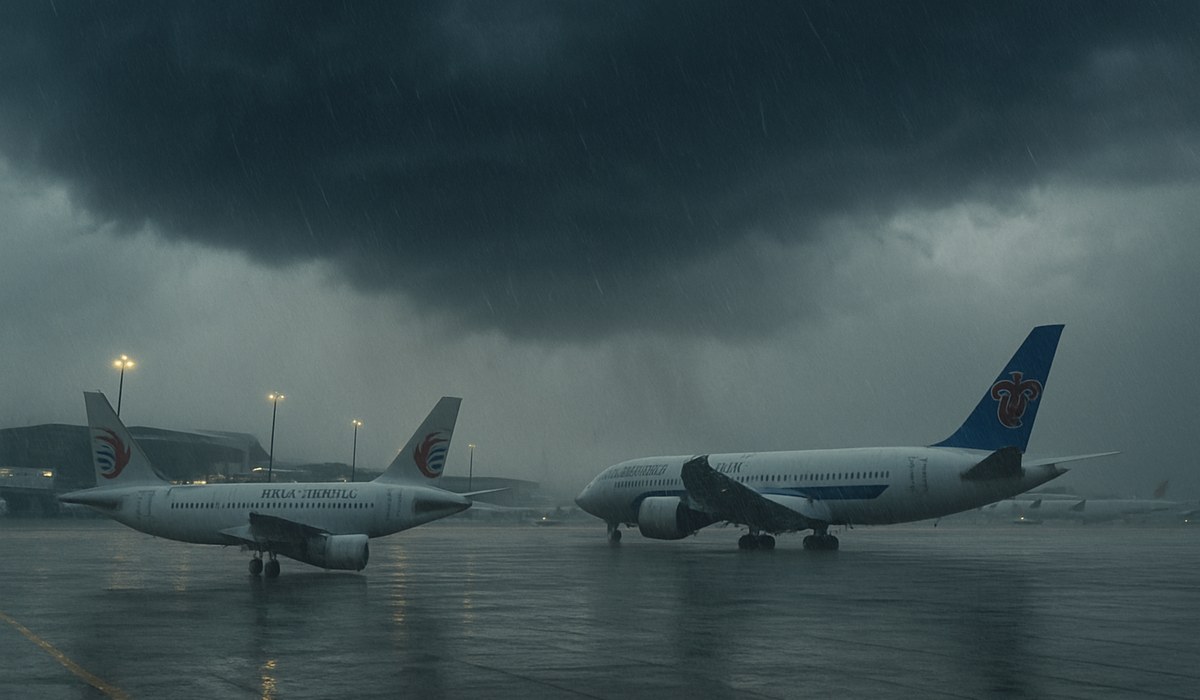
Image generated by AI
Severe Weather Paralyzes China Airports Southern Network on March 23
China Southern Airlines, along with Air China and China Eastern Airlines, faced cascading disruptions across major hubs on March 23, 2026. Fifty-five flights received cancellation notices, while 687 additional services experienced significant delays. The weather emergency primarily affected three gateway airports: Beijing Capital International (PEI), Wuhan Tianhe (WUH), and Shenyang Taoxian (SYX). Thousands of passengers found themselves stranded or rerouted as adverse conditions swept across eastern and central China throughout the day.
What Triggered the Mass Disruptions Across Eastern China
Sudden deterioration of atmospheric conditions across the region sparked the crisis. Heavy precipitation and strong wind gusts exceeded operational safety thresholds at multiple airports simultaneously. China airports southern corridor experienced the most severe impact, with visibility dropping below minimums required for safe landings. Air traffic control authorities implemented ground stops and flow restrictions starting at 06:00 local time. The meteorological event persisted for over eight hours, preventing normal flight operations at critical nodes in China's aviation network.
Aviation weather services issued alerts across affected regions. Ground operations teams worked continuously to manage congestion as aircraft diverted to alternate airports. Runway closures became necessary as precipitation accumulation created hazardous conditions for both departures and arrivals.
China Southern Airlines Sees Highest Cancellation Rate
China Southern Airlines (CZ) bore the heaviest operational burden among the three major carriers. The airline operates extensive domestic and international networks from its Guangzhou base and secondary hubs. Beijing and Wuhan routes commanded priority rebooking, yet many passengers faced multi-hour delays or next-day service options. The carrier activated its contingency protocols, positioning additional aircraft where conditions permitted operations.
Ground staff managed rebooking efforts for connecting passengers throughout the afternoon. China Southern issued waivers allowing ticket changes without additional fees across its network. The airline's mobile app and website experienced traffic surges as passengers sought real-time flight status updates.
Air China and China Eastern Airlines Manage Secondary Wave Disruptions
Air China (CA) and China Eastern Airlines (MU) managed substantial secondary disruption cascades. Air China's hub at Beijing Capital bore direct exposure to weather intensity, affecting hundreds of flights across its international and domestic schedules. The carrier coordinated with ground handlers to expedite aircraft turnarounds during narrow weather windows.
China Eastern Airlines operates significant presence at Shanghai and eastern corridor airports, yet Beijing connections compounded delays system-wide. Both carriers implemented dynamic rerouting to preserve network integrity. Customer service centers fielded thousands of inquiries from affected passengers seeking alternative routing options.
Real-Time Flight Tracking and Status Updates
Passengers requiring live flight information should access FlightAware for real-time tracking of their specific bookings. Most major carriers post official delay announcements through their websites and mobile applications. The International Air Transport Association (IATA) publishes industry-wide operational metrics during disruption events. Checking directly with your airline remains the most reliable method for obtaining rebooking options and compensation eligibility details.
Beijing Capital International, Wuhan Tianhe, and Shenyang Taoxian all posted hourly updates through official channels. Weather radar forecasts suggested conditions would begin improving after 14:00 local time, with resumption of normal operations anticipated by evening hours.
Passenger Rights and Compensation Framework
Affected passengers qualify for specific protections under Chinese aviation regulations and international conventions. Airlines must provide meal vouchers, accommodation, and ground transportation for delays exceeding specified thresholds. Cash compensation eligibility depends on flight length, delay duration, and causation classification. Force majeure weather events typically limit financial liability, though airlines must still provide essential traveler services.
U.S. Department of Transportation resources outline passenger rights frameworks applicable to international carriers. Passengers should document their expenses and obtain written confirmation of delay causes from airlines. Keep boarding passes, booking confirmations, and receipt copies for insurance or compensation claims. Contact your airline's customer relations department within 30 days of travel to formally request compensation review.
Traveler Action Checklist
-
Verify flight status immediately using your airline's official app or website, not third-party sources.
-
Contact your airline directly via phone, chat, or airport counter before seeking alternative routing independently.
-
Request written confirmation of cancellation or delay cause for compensation eligibility documentation.
-
Photograph all receipts for meals, accommodation, ground transport, and other airline-mandated expenses.
-
Check insurance coverage in your travel policy for weather-related disruption reimbursement eligibility.
-
Document passenger details including names, ticket numbers, and booking references for all claim submissions.
-
File compensation requests within 30 days through your airline's official claims process or local aviation authority.
-
Preserve all communication records with airline staff, including names, times, and settlement offers discussed.
Flight Disruption Impact Overview
| Metric | Specific Data | Affected Entities | Recovery Timeline |
|---|---|---|---|
| Total Cancellations | 55 flights | China Southern, Air China, China Eastern | 12-18 hours |
| Recorded Delays | 687 flights | All three carriers system-wide | Ongoing through March 23 |
| Primary Hub Impact | Beijing Capital (PEI) | Heaviest disruption zone | Evening resumption expected |
| Secondary Hub Impact | Wuhan Tianhe (WUH) | Moderate to severe | Afternoon improvement forecast |
| Tertiary Hub Impact | Shenyang Taoxian (SYX) | Moderate disruption | Evening normalization |
| Estimated Passengers Affected | 85,000+ travelers | Multiple nationalities | Rebooking through March 24 |
What This Means for Travelers Planning China Flights
Disruptions affecting china airports southern operations ripple across the entire Asia-Pacific routing network. Passengers with connections through Beijing, Wuhan, or Shenyang should expect ongoing delays through the evening of March 23. Booking alternative flights through Shanghai or Chengdu airports provides potential workarounds for urgent travel. Check your travel insurance policy immediately to understand weather-related disruption coverage and documentation requirements.
Consider postponing non-essential air travel for 24 hours if possible. Airlines will prioritize rebooking premium cabin passengers first, followed by elite frequent-flyer program members. Arrive at airports early on March 24 for rescheduled flights, as backup demand will create significant congestion. Ground transportation from nearby airports may become necessary for some passengers on sold-out flights.
Frequently Asked Questions
How does severe weather impact flights across China airports southern region? Heavy precipitation, wind gusts, and reduced visibility force ground stops at affected hubs. Air traffic control restricts takeoffs and landings until conditions meet safety minimums. Cascading delays propagate through connecting flight networks as aircraft cannot move between airports. Recovery requires consecutive hours of conditions improvement before normal operations resume.
Which airlines operate most flights from China airports southern affected zones? China Southern Airlines, Air China, and China Eastern Airlines collectively operate approximately 60% of domestic departures from Beijing, Wuhan, and Shenyang. These three carriers experienced the highest cancellation volumes during the March 23 disruption. Smaller carriers including Hainan Airlines and Spring Airlines also reported delays on affected routes. Checking your airline's contingency protocols before traveling helps understand rebooking procedures for weather events.
What compensation can passengers receive for weather-related flight disruptions? Airlines typically must provide meals, accommodation, and transportation for delays beyond specified lengths (usually 3+ hours). Cash compensation eligibility depends on flight distance, delay duration, and whether the airline classified the event as force majeure. Passengers should document all expenses and request written delay confirmation. Contact your airline within 30 days to pursue formal compensation claims through their standard procedures.
Will China airports southern experience additional disruptions on March 24, 2026? Weather forecasts as of March 23 evening indicated improvement beginning early March 24. However, secondary effects including equipment repositioning and schedule recovery could create residual delays. Passengers should confirm flight status 24 hours before scheduled departure. Additional weather systems potentially developing later in the week may create future disruption risk. Monitor official aviation weather forecasts through March 26.
Related Travel Guides
Guide to Flight Delay Compensation in Asia
Beijing Capital International Airport: Terminal Navigation and Services
Emergency Travel Planning: Rebooking Strategies for Major Disruptions
Disclaimer
Disclaimer
This article is for informational and educational purposes only. It does not constitute legal, financial, or professional advice. While we strive to provide accurate and up-to-date information, travel policies, regulations, and conditions change rapidly. Always verify information with official sources before making travel decisions. Nomad Lawyer makes no representations about the accuracy, reliability, completeness, or suitability of the information provided. Readers should consult qualified professionals for advice specific to their circumstances. The views expressed in this article are those of the author and do not necessarily reflect the views of Nomad Lawyer.
Raushan Kumar
Founder & Lead Developer
Full-stack developer with 11+ years of experience and a passionate traveller. Raushan built Nomad Lawyer from the ground up with a vision to create the best travel and law experience on the web.
Learn more about our team →