
Central Railway Kasara Block Strands Thousands During Peak Heat in 2026
An unannounced Central Railway Kasara block in May 2026 left thousands of commuters stranded for hours in extreme heat, exposing critical communication failures on India's busiest suburban network.

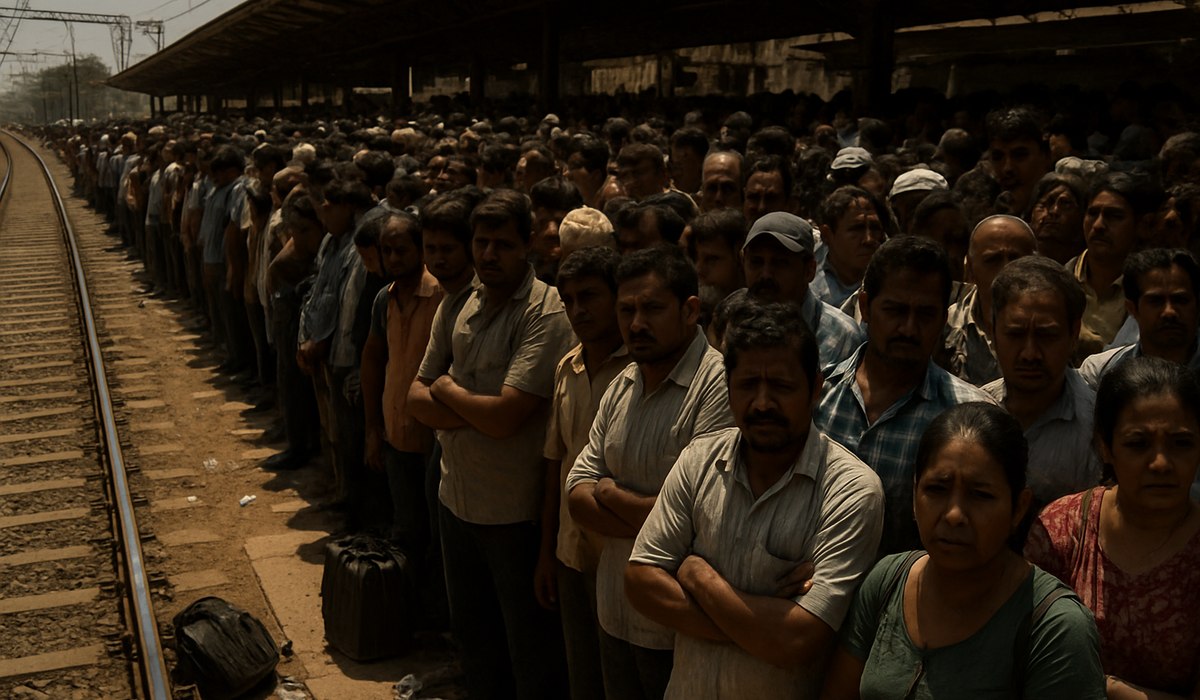
Image generated by AI
Thousands Stranded as Central Railway Kasara Block Disrupts Mumbai's Lifeline
An unannounced operating block on the Central Railway Kasara section this week paralyzed services across one of India's most critical commuter corridors, leaving thousands of passengers stranded for hours in oppressive pre-monsoon heat. The sudden disruption, which struck without advance notice across official passenger communication channels, transformed platforms at Kasara and intermediate stations into overcrowded chokepoints, highlighting severe gaps in contingency planning and passenger information protocols on the Mumbai suburban network.
Sudden Disruption Leaves Commuters Scrambling on Critical Suburban Lifeline
The central railway kasara section experienced abrupt service curtailment during peak commuter hours, with trains held outside stations or short-terminated well before their scheduled destinations. Multiple commuter reports and eyewitness accounts from social media described platforms packed with frustrated travelers, many unaware of the reason for delays or expected service restoration timeframes.
The Kasara corridor connects outer suburbs and satellite towns in Thane district to major junctions including Kalyan, Thane, and Chhatrapati Shivaji Maharaj Terminus. Any disruption along this critical stretch cascades across the entire network, affecting long-distance services and local trains alike as rolling stock and crew assignments fall out of their planned operational cycles. Smaller stations along the line, typically designed for modest daily traffic, became overwhelmed with backlogs of multiple trainloads. Passengers reported inadequate shelter, minimal water availability, and insufficient seating capacity at these intermediate facilities.
The central railway kasara block disruption occurred during regular commuting hours, affecting daily workers, students, and traders dependent on this vital transport link into the Mumbai Metropolitan Region. Local coverage and passenger testimonies revealed that service disruption notices were either absent from standard information channels or arrived only after significant delays had already accumulated on platforms.
Heat, Crowding, and Inadequate Infrastructure Amplify Passenger Hardship
The operational block coincided with daytime temperatures in the high 30s Celsius typical of pre-monsoon conditions, creating dangerous combinations of heat stress, overcrowding, and uncertainty. Weather data from the region confirmed strong solar intensity, high humidity, and elevated heat indices that amplified discomfort for commuters forced to remain on open platforms for extended periods.
Vulnerable passenger groups—elderly commuters, children, and those with underlying health conditions—faced acute risk as usual two to three-hour journeys extended substantially. Reports indicated limited access to shade and potable water at numerous intermediate stations beyond major junctions. Extended exposure to extreme heat without adequate shelter or hydration facilities created humanitarian concerns that transcended typical operational inconvenience.
The Kasara ghat section's geography and many commuters' economic dependence on the suburban rail system eliminated practical alternatives. While some passengers attempted road transport, cost and accessibility barriers prevented widespread modal shifts. The incident starkly illustrated how sudden operational decisions intersect with extreme weather conditions to generate acute temporary crises affecting hundreds of thousands of daily network users.
Poor Communication and Contingency Planning Exposed
The central railway kasara service interruption reignited longstanding criticism regarding how the Central Railway disseminates real-time operational information. Passengers on Kasara and other corridor lines have consistently complained about last-minute platform changes, unexplained service terminations, and vague public address announcements.
During this incident, commuters reported minimal clarity regarding the reason for stoppage, expected duration, or alternative arrangements. While some platform announcements referenced technical or operating issues, information proved inconsistent between stations and frequently arrived only after extended waits had accumulated. These communication failures directly contradicted passenger expectations for transparency and proactive customer service on India's most congested suburban network.
The Central Railway's communication gaps reflect broader systemic challenges. As the railway undertakes infrastructure upgrades, rolling stock trials, and periodic maintenance blocks on capacity-constrained corridors, uncoordinated or poorly signposted disruptions quickly generate chaos. With commuter volumes matching or exceeding pre-pandemic levels, inadequate advance notice and inconsistent real-time updates create dangerous platform crowding and passenger frustration.
Infrastructure Strain and Recurring Operational Blocks Create Network Vulnerability
The central railway kasara block incident reflects ongoing capacity pressures and infrastructure strain across the Central Railway network. Public notices document scheduled traffic and power blocks for non-interlocking work, platform extensions, and yard remodeling—demonstrating continuous modernization efforts addressing decades of infrastructure built for vastly lower traffic volumes.
Pre-planned operational blocks typically receive advance publication and trigger suburban timetable adjustments. However, emergency operational blocks arising from technical issues, safety checks, or unplanned maintenance create far greater disruption when passenger notification fails. The Kasara incident demonstrated that emergency response protocols remain inadequate to handle sudden service interruptions during peak traffic periods.
Repeated operational blocks on constrained corridors underscore fundamental network capacity limitations. As Mumbai's suburban rail system approaches saturation, unplanned disruptions generate exponential passenger impact rather than manageable inconvenience. Infrastructure investment and modernization remain critical to accommodating growing commuter volumes while maintaining service reliability and passenger safety during emergencies.
Ripple Effects Across Mumbai's Commuter Network
The central railway kasara disruption cascaded throughout the broader Central Railway network, affecting long-distance services and local trains across multiple corridors. Rolling stock and crew scheduling disruptions persisted even after the immediate block was lifted, as the system required hours to restore normal operational cycles.
Downstream stations experienced secondary congestion as rerouted services overloaded platforms already managing normal traffic volumes. The incident demonstrated how single-section disruptions rapidly magnify across interconnected networks serving over 28 million daily commuters. Passengers using Kasara line connecting services experienced compounded delays, forcing many to miss scheduled connections to secondary railway lines or first-mile transit options.
For a detailed guide to navigating Mumbai's railway system, consult our comprehensive Mumbai Central Railway commuter guide.
| Service Parameter | Normal Operations | Block Conditions | Impact Duration |
|---|---|---|---|
| Kasara-Kalyan Journey Time | 45 minutes | 120+ minutes | 6+ hours |
| Kasara Platform Capacity | 2,500 passengers/hour | 800 passengers/hour | Severe |
| Average Temperature | 35°C | 38°C with humidity | Heat stress conditions |
| Service Frequency | Every 3-5 minutes | Every 20-30 minutes | 75%+ reduction |
| Water/Amenity Availability | Standard | Minimal intermediate stations | Critical shortage |
| Communication Advance Notice | 24-48 hours | 15-30 minutes | Near-zero preparation |
What This Means for Travelers: Practical Guidance During Service Disruptions
The central railway kasara block incident highlights essential preparation strategies for regular commuters navigating Mumbai's suburban network.
-
Enable real-time alerts: Register for official Central Railway SMS and app notifications to receive immediate service updates before disruptions cascade into platform chaos.
-
Plan buffer transit time: Build 30-45 minute contingency windows into regular commutes, particularly during monsoon and summer seasons when emergency blocks increase in frequency.
-
Identify alternative routes: Familiarize yourself with Western Railway corridors and road transport options (buses, autos, ride-share services) as backup during major disruptions.
-
Carry hydration supplies: Maintain water bottles and electrolyte beverages during peak heat seasons to mitigate heat stress risks during extended platform waits.
-
Monitor official channels: Check the Central Railway website and authorized social media accounts before travel rather than relying solely on station announcements, which often communicate inconsistently across locations.
-
Travel during off-peak hours: Shift schedules toward morning or evening off-peak services when possible to reduce passenger density exposure during emerg
Disclaimer
This article is for informational and educational purposes only. It does not constitute legal, financial, or professional advice. While we strive to provide accurate and up-to-date information, travel policies, regulations, and conditions change rapidly. Always verify information with official sources before making travel decisions. Nomad Lawyer makes no representations about the accuracy, reliability, completeness, or suitability of the information provided. Readers should consult qualified professionals for advice specific to their circumstances. The views expressed in this article are those of the author and do not necessarily reflect the views of Nomad Lawyer.
Raushan Kumar
Founder & Lead Developer
Full-stack developer with 11+ years of experience and a passionate traveller. Raushan built Nomad Lawyer from the ground up with a vision to create the best travel and law experience on the web.
Learn more about our team →