
Carnival Cruise Line Launches The Next Course: French-Inspired Dining and Culinary Innovation Fleet-Wide 2026
Carnival Cruise Line rolls out The Next Course program, introducing French bistros, Mediterranean concepts, and experiential dining venues across Caribbean and European cruise routes in 2026.

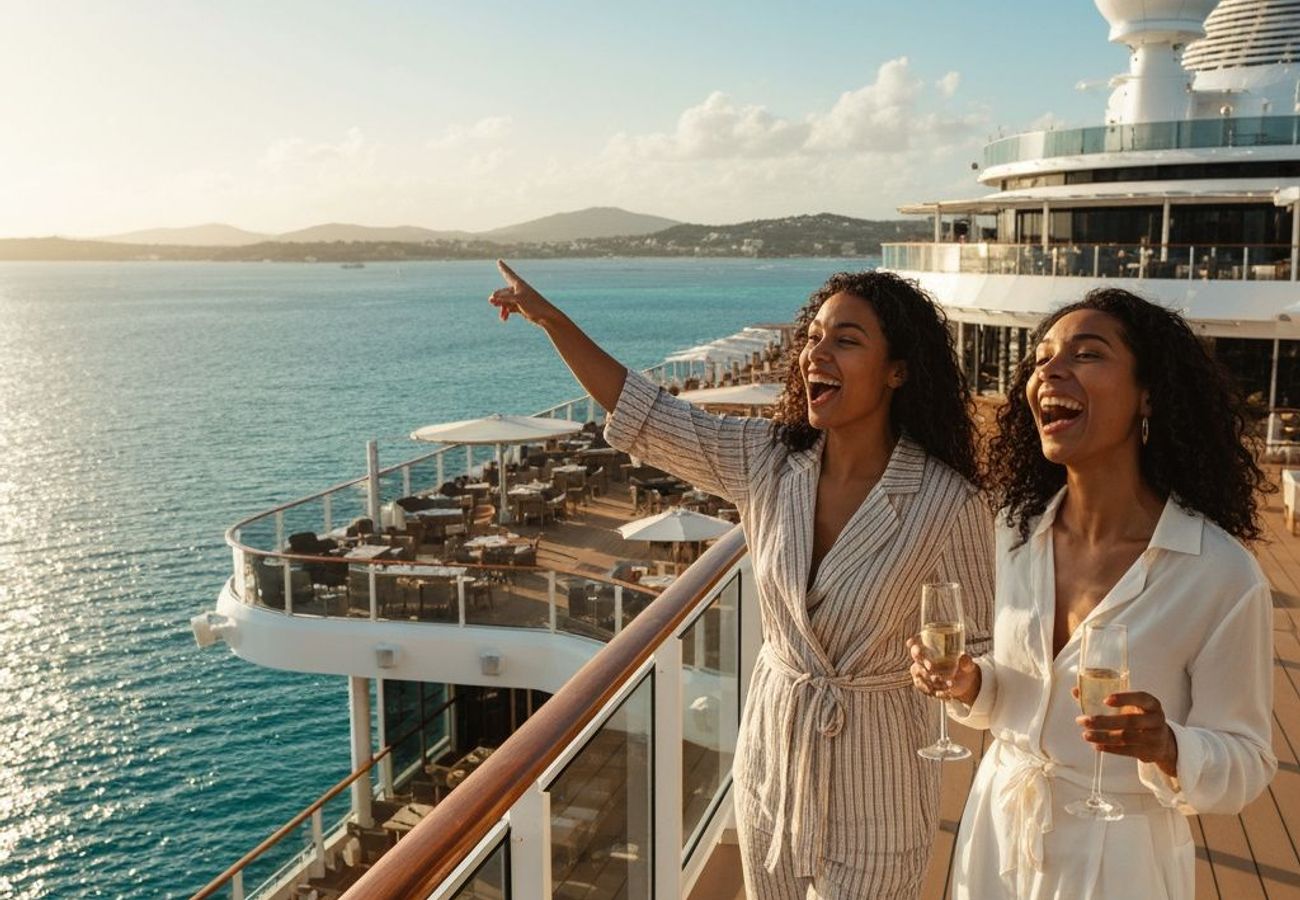
Image generated by AI
The Cruise Industry's Culinary Revolution Has Arrived
Carnival Cruise Line just raised the bar on what it means to dine at sea. The cruise operator has unveiled The Next Course, an ambitious dining and hospitality initiative rolling out across its existing fleet and upcoming vessels. This isn't incremental change—it's a complete reimagining of onboard food and beverage experiences designed to match passengers' expectations for destination-inspired, high-quality cuisine.
The strategy signals a fundamental shift in how major cruise operators compete. When ships carry 4,000-6,000 passengers across multiple weeks, food becomes far more than fuel. It becomes theater, culture, and memory.
Flagship Dining Venues: Where Celebrity Chefs Meet the Sea
The centerpiece of The Next Course program is Emeril's Coastal Seafood, a specialty restaurant developed under the creative direction of celebrity chef Emeril Lagasse. The concept emphasizes coastal-driven menus inspired by maritime culinary traditions, with particular focus on the seafood-rich cuisines of the Caribbean and Gulf of Mexico regions.
This is strategic positioning. Passengers sailing Caribbean itineraries expect fresh, locally-sourced seafood preparations. By anchoring the dining experience to destination ingredients and techniques, Carnival creates a seamless bridge between shore excursions and onboard experiences.
Another standout addition is Le Bistro Musicale, a French-inspired venue featuring live musical elements. For passengers traveling Mediterranean routes that include French ports, this concept directly mirrors the cultural atmosphere of destination cities. The venue combines intimate bistro aesthetics with curated entertainment—a formula that transforms dinner into an experiential event rather than a transactional meal.
Regional Culinary Concepts: Destination DNA on Every Plate
Uku Lei Lei blends Hawaiian culinary traditions with Asian influences, reflecting Carnival's growing Pacific deployment strategy. Meanwhile, Fetaccine merges Italian and Greek culinary styles, perfectly aligned with the cruise operator's Mediterranean itineraries across destinations like Santorini, Rhodes, and Croatian coast ports.
Reddit: "The difference between dining at sea 5 years ago versus now is night and day. Cruise lines finally understood that passengers aren't just hungry—they want to taste the destination." — r/cruises
These aren't generic "international" menus. Each venue is culturally specific, operationally tied to actual sailing routes, and designed to reinforce the perception that cruises deliver authentic multi-destination travel experiences.
The Entertainment-Beverage Convergence
Beyond dining rooms, Carnival is reshaping nightlife and beverage spaces. The Spark positions itself as an entertainment-focused lounge pairing live performances with curated cocktails—recognizing that passengers on 7-10 day voyages expect continuous evening entertainment options.
Mix introduces interactive beverage customization, where guests design personalized cocktails. This reflects the broader hospitality industry shift toward experiential travel—passengers increasingly value participation and personalization over standardized service.
Festival Grounds Coffee & Bar operates as a dual-purpose venue supporting both daytime specialty coffee and evening cocktail consumption, reflecting the reality of multi-day cruises where onboard spaces function as 24-hour hospitality environments.
Fleetwide Upgrades: Efficiency Meets Diversity
Beyond new specialty venues, Carnival is refreshing its existing dining infrastructure across its entire fleet. Main dining rooms, Lido Marketplace buffets, and casual outlets like BlueIguana Cantina are receiving overhauled menus designed to broaden culinary variety and accommodate diverse passenger demographics.
The operational focus is equally important: expanded grab-and-go options, mobile ordering systems, and express dining formats reflect how modern cruise passengers balance dining with entertainment schedules and shore excursion planning. On a vessel carrying 5,000 people, logistics determine guest satisfaction as much as food quality does.
New concepts like Bagels @ Sea and refreshed Chef's Table experiences introduce regionally-influenced multi-course menus. Rotating pop-up dining formats—breakfast stations, dessert-focused offerings—further diversify food access points, critical for managing high-volume passenger services.
Strategic Positioning Within Global Cruise Competition
The cruise sector faces increasing competitive pressure. According to industry data, the global cruise market continues expanding, with Caribbean and Mediterranean routes commanding dominant market share. When itineraries are similar across operators, differentiation happens through onboard experiences.
Culinary programming serves as exactly this differentiator. By integrating destination identity into onboard hospitality, Carnival strengthens the narrative that cruises deliver authentic cultural tourism—not just transportation between beaches. Routes across the Caribbean, Mediterranean, and transpacific corridors remain central to cruise deployment, making food and beverage experiences critical to competitive positioning.
The Larger Investment Cycle
This culinary expansion reflects a broader industry cycle of capital investment in guest experience infrastructure. Major cruise operators are collectively investing billions in fleet upgrades spanning entertainment, wellness, accommodation, and—critically—food and beverage technology.
For Carnival Cruise Line specifically, the emphasis on culinary development demonstrates that food experience has become central to brand identity and passenger satisfaction metrics. In an industry where onboard spending directly impacts profitability, quality dining drives ancillary revenue while simultaneously enhancing overall cruise value perception.
The cruise industry is no longer selling passage. It's selling curated destination experiences that happen to occur on ships.
The next time you book a cruise, check the dining deck—it's where the real voyage begins.
Related Travel Guides
Disclaimer
This article is for informational and educational purposes only. It does not constitute legal, financial, or professional advice. While we strive to provide accurate and up-to-date information, travel policies, regulations, and conditions change rapidly. Always verify information with official sources before making travel decisions. Nomad Lawyer makes no representations about the accuracy, reliability, completeness, or suitability of the information provided. Readers should consult qualified professionals for advice specific to their circumstances. The views expressed in this article are those of the author and do not necessarily reflect the views of Nomad Lawyer.
Preeti Gunjan
Contributor & Community Manager
A passionate traveller and community builder. Preeti helps grow the Nomad Lawyer community, fostering engagement and bringing the reader experience to life.
Learn more about our team →