
Carnival Cruise Camouflage Ban: Caribbean Ports Restrict Military-Style Clothing
Carnival Cruise Line warns passengers that camouflage clothing is prohibited at multiple Caribbean ports in 2026. A 12-year-old guest was escorted back to Carnival Horizon after wearing camouflage in Jamaica, prompting renewed warnings about dress code violations.

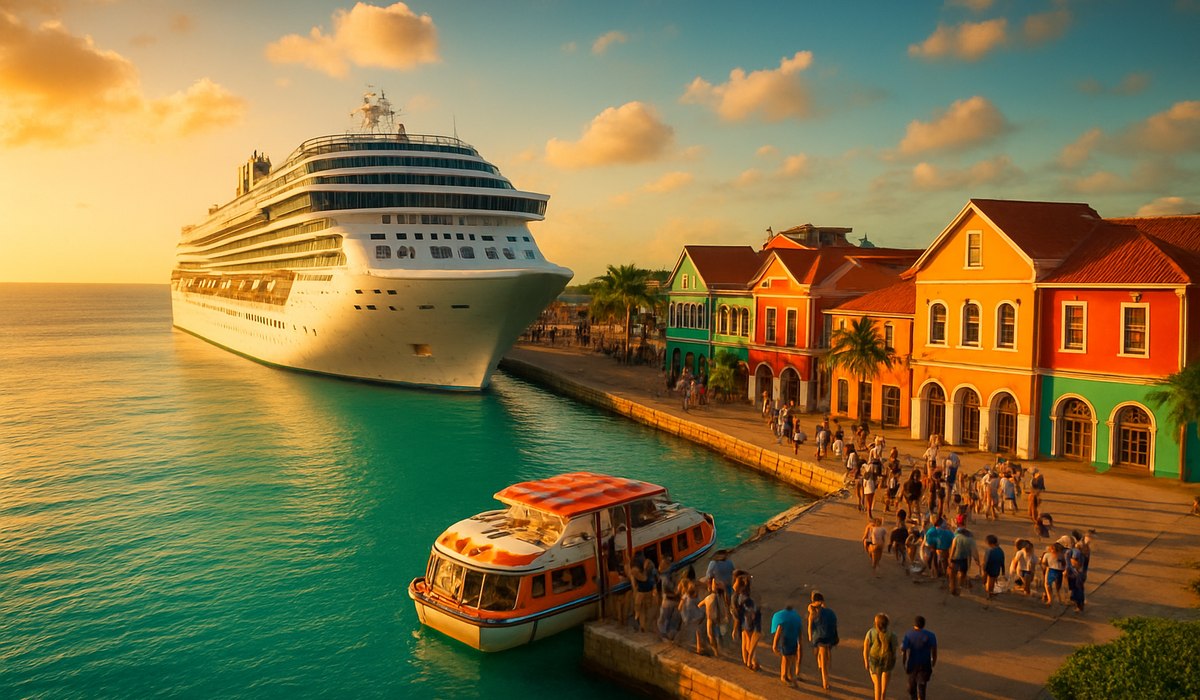
Image generated by AI
Carnival Cruise Line Issues Urgent Warning on Camouflage Clothing
Carnival Cruise Line has issued a reminder to all passengers that camouflage clothing is strictly prohibited at multiple Caribbean ports, following an incident where a 12-year-old guest was escorted back to the ship by local authorities. The policy, which applies regardless of age or intent, affects popular destinations across Jamaica, Barbados, the Bahamas, and several other Caribbean islands. The incident aboard the 3,960-passenger Carnival Horizon sparked renewed attention to dress code restrictions that many cruise travelers overlook when planning their vacation wardrobes.
The restriction stems from local laws designed to prevent confusion with military and law enforcement personnel. Unlike general cruise ship dress codes that vary by dining venue and activity, the carnival cruise camouflage ban represents a legal requirement enforced by Caribbean governments. Understanding these regulations before departure can help passengers avoid disruptions to their port day activities and potential encounters with local police.
What Happened on Carnival Horizon
The incident that prompted Carnival's latest warning involved a minor traveling with family on the Carnival Horizon, which operates from Miami. When the 12-year-old guest disembarked at Montego Bay, Jamaica, local police approached the family and required the child to return to the ship to change clothes. The parent later reached out to Carnival's brand ambassador John Heald on Facebook, requesting a public reminder about the restriction.
Carnival Horizon operates alternating six-night Western and Southern Caribbean itineraries. The ship's recent May 3, 2026 departure from Miami included stops at Celebration Key, Grand Cayman, and the problematic Montego Bay port before returning to Miami on May 9. This wasn't an isolated incident—cruise industry observers have documented similar situations in the Bahamas and Barbados when guests wearing camouflage attire were sent back to their vessels by local authorities.
The cruise line emphasizes that these restrictions are established and enforced by individual governments, not by Carnival itself. Port-specific regulations remain outside the cruise operator's jurisdiction, though the company actively works to communicate these requirements to passengers before they disembark.
Which Caribbean Ports Prohibit Camouflage Clothing
The carnival cruise camouflage ban extends across numerous Caribbean destinations, creating a complex patchwork of restrictions for cruise itineraries. Jamaica stands at the forefront of enforcement, particularly at popular ports including Montego Bay and Ocho Rios. Both destinations receive regular visits from Carnival ships operating Western Caribbean routes.
Beyond Jamaica, several other Caribbean nations enforce similar restrictions:
- Barbados – Consistently enforces camouflage prohibitions with active monitoring at cruise ports
- The Bahamas – Multiple islands and ports maintain strict policies against military-style clothing
- Trinidad and Tobago – Enforces comprehensive camouflage restrictions nationwide
- St. Lucia – Prohibits camouflage attire in all port areas
- Grenada – Maintains strict dress code enforcement
- Antigua and Barbuda – Enforces restrictions at all landing points
- Saint Kitts and Nevis – Applies camouflage bans across the island nation
Jamaica's Ministry of National Security extends restrictions beyond camouflage fabric itself. Prohibited items also include camouflage-patterned materials used in any form, laser pointers, metal detectors, and pepper spray. Some vendors unknowingly sell camouflage-printed souvenirs in port shops, creating additional confusion for travelers unfamiliar with local regulations.
Cruise itineraries visiting multiple ports face particular complexity. A single sailing might visit destinations where camouflage is acceptable alongside islands where it's prohibited. This inconsistency regularly catches passengers off guard, despite advance warnings from cruise operators.
Why Caribbean Governments Restrict Camouflage Clothing
Caribbean nations implement camouflage restrictions to prevent impersonation and confusion with active military personnel and law enforcement officials. These restrictions apply universally—not just to adults, but to children, teenagers, and all passengers regardless of their intentions. A child wearing camouflage-patterned clothing can trigger the same response as an adult, as the restriction focuses on the apparel itself rather than the wearer.
The policy reflects broader security concerns and the need to maintain clear visual distinction between authorized personnel and civilians in port areas. Military-style camouflage design was created specifically to blend into backgrounds; governments view unrestricted civilian wear of such patterns as a potential security risk or source of public confusion.
Jamaica's Ministry of National Security takes these restrictions seriously enough to deploy personnel at cruise ports specifically to monitor arriving passengers. The enforcement reflects the seriousness with which Caribbean authorities view compliance with local laws. Unlike simple dress code violations that result in dining restrictions or venue access denial, camouflage violations result in police involvement and required ship returns.
How to Check Port Dress Codes Before You Cruise
Preparing for a Caribbean cruise requires proactive research into specific port regulations. Carnival Cruise Line maintains comprehensive dress code information across multiple platforms, though passengers often overlook these resources during pre-trip planning.
Start by visiting the official Carnival Cruise Line website, which includes a "What to Wear" FAQ section addressing camouflage restrictions. The website explicitly states: "In some ports of call, it is against the law for anyone, including children, to wear army-style camouflage clothing or carry items made with camouflage material."
Additional resources for port-specific information include:
- Carnival's Mobile App – Features port guides and restriction notices for upcoming itineraries
- Cruise Itinerary Documents – Pre-cruise emails often include port-specific advisories and dress requirements
- Fun Times Daily Publication – Shipboard newsletter typically announces port restrictions the morning of each port day
- Cruise Director Announcements – Daily announcements address port-specific regulations and restrictions
- Shore Excursion Descriptions – Impacted port excursions specifically note camouflage prohibitions
John Heald, Carnival's brand ambassador, recommends checking individual Caribbean government websites before departure. Many countries publish official dress codes and prohibited items on their tourism or national security ministry websites. This independent verification ensures you have the most current information directly from governmental sources.
Visit Cruise Critic for additional community-sourced information about port dress codes and recent enforcement experiences shared by other cruise passengers.
Cruise Itinerary at a Glance
| Ship Name | Homeport | Itinerary Type | Duration | Key Caribbean Ports | Camouflage Restriction |
|---|---|---|---|---|---|
| Carnival Horizon | Miami, Florida | Western Caribbean | 6 nights | Montego Bay (Jamaica), Ocho Rios (Jamaica), Grand Cayman | Jamaica - Yes |
| Carnival Horizon | Miami, Florida | Southern Caribbean | 7 nights | Aruba, Curaçao, Barbados | Barbados - Yes |
| Various Carnival Ships | Multiple homeports | Eastern Caribbean | 7 nights | St. Lucia, Grenada, Antigua | Multiple restrictions |
| Various Carnival Ships | Multiple homeports | Southern Caribbean Alternate | 7 nights | Trinidad, Tobago, Saint Kitts | Multiple restrictions |
Note: Restriction statuses represent current policies as of May 2026. Regulations change periodically; always verify with Caribbean government sources before travel.
What This Means for Cruise Travelers
The carnival cruise camouflage ban impacts pre-cruise planning, packing decisions, and port day activities. Here's what every passenger should know:
- **
Disclaimer
This article is for informational and educational purposes only. It does not constitute legal, financial, or professional advice. While we strive to provide accurate and up-to-date information, travel policies, regulations, and conditions change rapidly. Always verify information with official sources before making travel decisions. Nomad Lawyer makes no representations about the accuracy, reliability, completeness, or suitability of the information provided. Readers should consult qualified professionals for advice specific to their circumstances. The views expressed in this article are those of the author and do not necessarily reflect the views of Nomad Lawyer.
Kunal K Choudhary
Co-Founder & Contributor
A passionate traveller and tech enthusiast. Kunal contributes to the vision and growth of Nomad Lawyer, bringing fresh perspectives and driving the community forward.
Learn more about our team →