
Caribbean Slow Tourism Shift: Dominica and Grenada Report Surge in Nature-Based Travel 2026
Dominica and Grenada are leading a regional pivot toward slow tourism, prioritizing nature, culture, and community immersion over high-volume resort travel to drive sustainable economic growth.

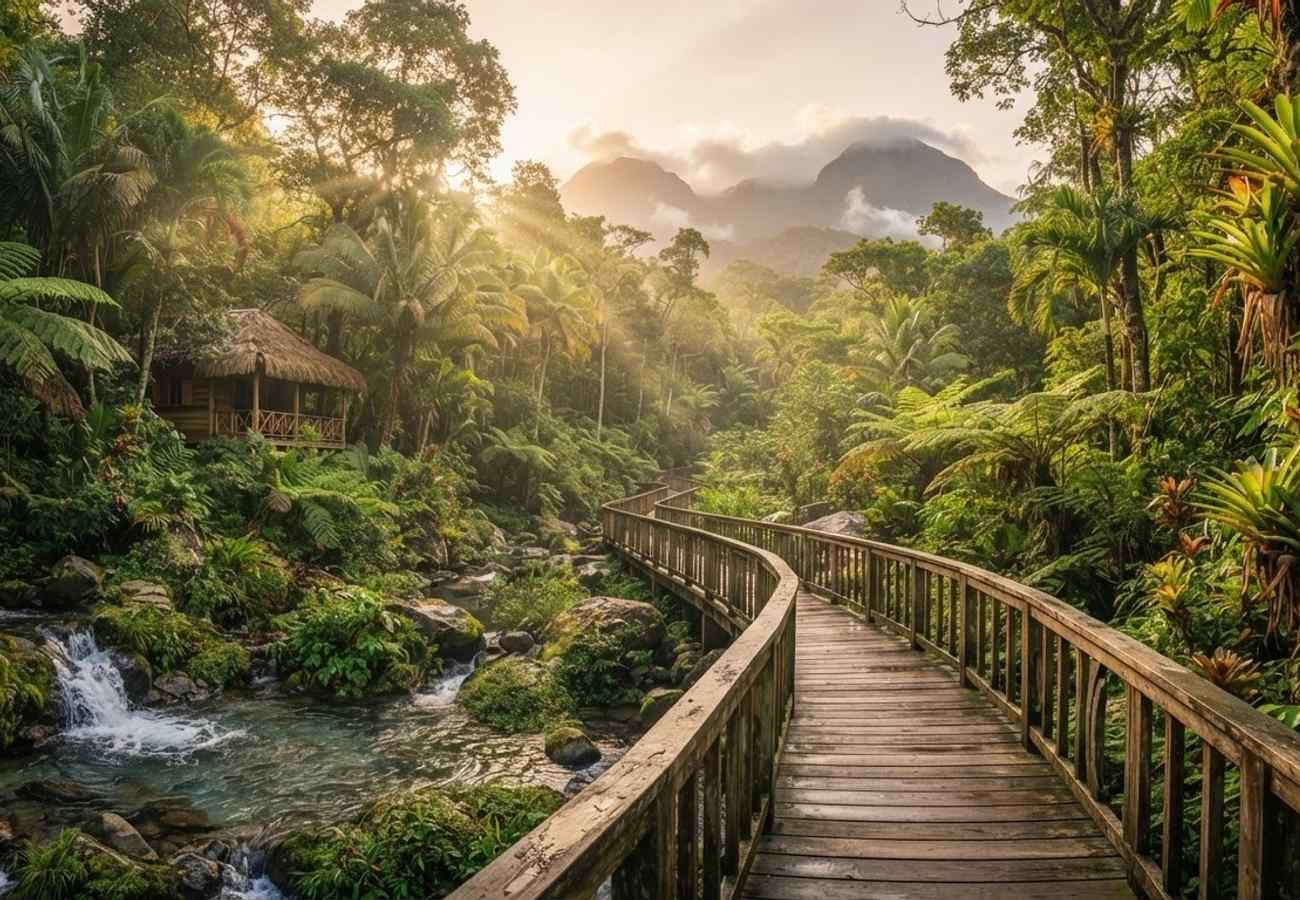
Image generated by AI
Caribbean nations are pivoting away from high-volume resort models toward "slow tourism," with Dominica and Grenada reporting significant increases in stayover arrivals driven by nature-based and authentic cultural experiences.
The Caribbean tourism sector is undergoing a structural shift. Rather than focusing solely on passenger volume, destinations are now emphasizing "slow tourism"—a model that prioritizes deeper engagement with local communities, heritage, and environmental conservation. This transition is not merely a trend but a strategic economic move; according to the OECD, tourism accounted for 25.4% of regional GDP between 2015 and 2019 and represented 71% of total services exports in 2023.
Regional Growth and Performance Metrics
Recent data indicates that destinations leaning into low-density, high-value experiences are seeing the most consistent growth. Dominica has emerged as a primary example, with stayover arrivals increasing by 19% in 2025.
Grenada is mirroring this trajectory, recording 54,565 stayover visitors in the first quarter of 2026, a 12% increase year-on-year. Similarly, Saint Vincent and the Grenadines has seen stayover arrivals reach 34,959 in Q1 2026, representing a 12.8% increase over the previous year.
Destination Profiles: Slow Tourism Specializations
Dominica Positioned as the region's strongest slow-tourism proposition, Dominica leverages its rainforests, hot springs, and whale watching. The island's Eco-Tourism Development Programme focuses on community involvement and eco-lodges, moving away from conventional resort itineraries toward immersive hiking and village exploration.
Grenada Grenada combines agricultural heritage with nature. The "Spice Isle" attracts travelers through spice estates, rainforest walks, and the quieter rhythm of Carriacou, allowing visitors to extend their stay beyond the beach.
Saint Lucia While a mature market, Saint Lucia is diversifying by promoting the south and west of the island. Areas like Laborie and Choiseul offer a quieter alternative to the main resort belts, emphasizing local markets and fishing villages.
Saint Vincent and the Grenadines The geography of this nation naturally facilitates slow travel. By distributing visitors across multiple islands, the destination promotes sailing, boutique hospitality, and marine experiences that prevent the overcrowding seen in larger hubs.
Antigua and Barbuda & Barbados These established markets are integrating slow tourism into their existing infrastructure. Barbados is focusing on strengthening links between luxury hotels and local agricultural producers, while Antigua and Barbuda is promoting the distinctive environment of Barbuda to encourage longer, more meaningful stays.
Caribbean Slow Tourism Comparative Analysis
| Country | Slow-Tourism Preference | Primary Experiences | Strategic Fit | Potential |
|---|---|---|---|---|
| Dominica | Very High | Rainforest hiking, hot springs, eco-lodges | Nature-led, low-intensity development | Excellent |
| Grenada | Very High | Spice estates, rainforests, local cuisine | Strong agricultural and nature heritage | Excellent |
| Saint Lucia | Very High | Laborie, Choiseul, rural markets | Diversification beyond resort zones | Very High |
| St. Vincent & Grenadines | High | Sailing, island hopping, marine life | Distributed geography prevents density | High |
| Antigua & Barbuda | Moderate | Heritage sites, Barbuda nature | Transition from beach-only model | Moderate |
| Barbados | Moderate | Rural agriculture, local crafts | Integration of local supply chains | Moderate |
Traveler Logistics Guide: Navigating the Slow Caribbean
From a ground-level perspective, navigating a "slow tourism" itinerary requires a different approach than a standard all-inclusive vacation.
Booking Connections and Transit When island hopping in Saint Vincent and the Grenadines or visiting the outer islands of Grenada (like Carriacou), avoid tight connections. Local ferry schedules and small-craft transfers are subject to weather and sea conditions. Allow a minimum of 4-6 hours between international arrivals and inter-island transfers.
Navigating Local Policies Travelers should prioritize digital entry forms and local permits for protected areas. In Dominica, many eco-lodges and trail guides operate on a reservation-only basis to maintain low-density mandates. It is advisable to book certified local guides through official tourism boards to ensure community-based economic support.
Optimal Layover and Stay Duration To truly experience the slow tourism model, the standard 3-to-5 day visit is insufficient. We recommend a minimum of 10 days per destination. This allows for the "decompression" period necessary to engage with rural communities and explore non-commercialized zones, such as southern Saint Lucia or the interior of Dominica.
Infrastructure Impact Assessment
The shift toward slow tourism reduces the pressure on centralized urban infrastructure and spreads economic benefits to rural provinces. By linking tourism to the "blue economy" and sustainable agriculture, Caribbean nations are mitigating the risks associated with over-tourism. This model encourages the development of boutique, low-impact accommodations rather than massive hotel complexes, preserving the natural assets that drive the region's appeal.
The Caribbean is trading the rush of the resort for the rhythm of the rainforest.
Related Travel Guides
Disclaimer
This article is for informational and educational purposes only. It does not constitute legal, financial, or professional advice. While we strive to provide accurate and up-to-date information, travel policies, regulations, and conditions change rapidly. Always verify information with official sources before making travel decisions. Nomad Lawyer makes no representations about the accuracy, reliability, completeness, or suitability of the information provided. Readers should consult qualified professionals for advice specific to their circumstances. The views expressed in this article are those of the author and do not necessarily reflect the views of Nomad Lawyer.
Preeti Gunjan
Contributor & Community Manager
A passionate traveller and community builder. Preeti helps grow the Nomad Lawyer community, fostering engagement and bringing the reader experience to life.
Learn more about our team →