
Caribbean Cruise Etiquette: First-Timers Miss Key Shared-Space Rules
Caribbean cruise lines report rising noise complaints from first-time passengers in 2026. New cruisers underestimate how sound travels through shared cabin spaces, violating unspoken etiquette that governs life at sea.

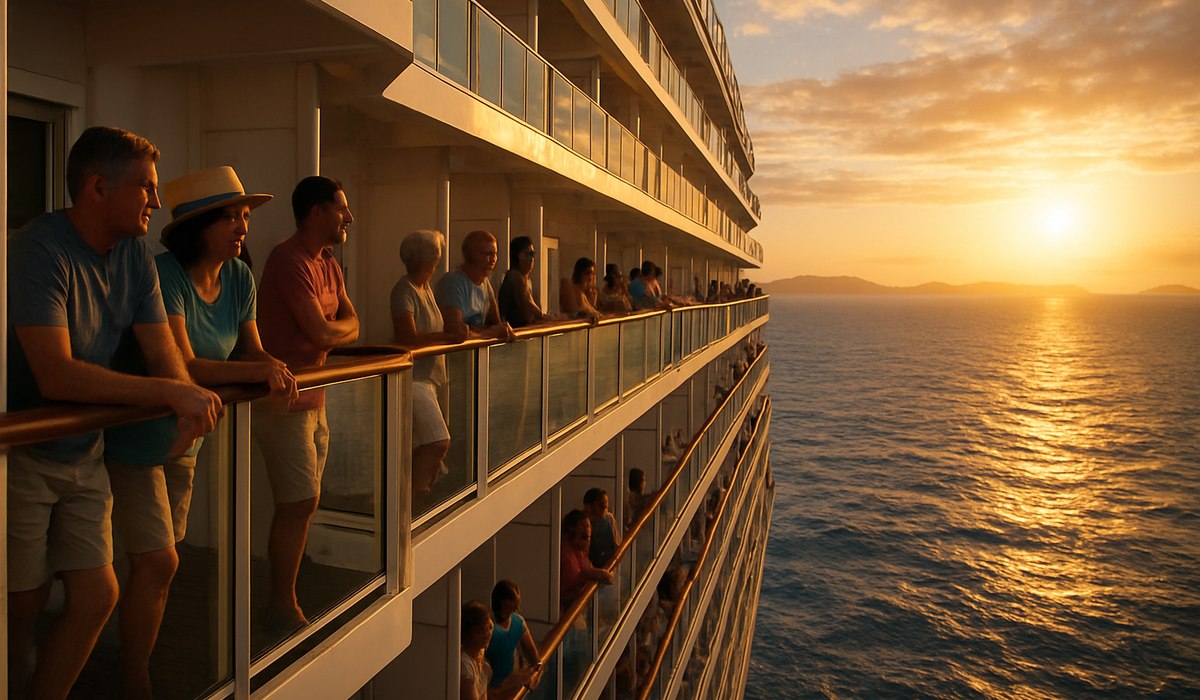
Image generated by AI
Caribbean Cruise Etiquette Breaches Surge as First-Time Passengers Navigate Shared-Space Living
Caribbean cruise operators are documenting a noticeable uptick in guest complaints about noise and conduct violations during 2026 sailings. Industry reports indicate that first-time cruisers frequently underestimate how sound travels through adjoining cabins and communal areas. From late-night corridor conversations to slamming doors and balcony chair movement, minor disturbances that seem insignificant in standalone hotels become disruptive problems in the confined environment of a cruise ship. Cruise lines operating Caribbean itineraries are responding with stricter policies and enhanced passenger education about proper behavior in shared spaces.
How Sound Travels on Cruise Ships
Living aboard a cruise ship resembles occupying an apartment building far more closely than checking into a traditional resort. Staterooms share walls, ceilings, and floors with neighboring cabins, creating acoustic pathways that first-time cruisers often don't anticipate. Sound from one cabin can easily penetrate multiple adjacent staterooms through ventilation systems, structural elements, and thin partitions.
Common noise violations documented by cruise staff include dragging balcony furniture during early morning hours, allowing children to run or jump inside cabins, and playing portable speaker music near pools or in hallways. Caribbean cruise etiquette fundamentally depends on recognizing that your neighbor's sleep is just as important as your entertainment. Experienced travelers recommend treating corridors and cabin areas as quiet zones between 10 p.m. and 8 a.m., closing doors gently, and using headphones for personal audio devices.
Parents traveling with young children should plan quiet indoor activities for late-night hours and stagger naps thoughtfully. Families who implement these practices report significantly more harmonious voyages and better relationships with neighboring passengers. Cruise Critic's community forums contain extensive discussions from veteran cruisers detailing which behaviors spark complaints and how to avoid cabin conflicts.
Common Noise Violations First-Timers Make
First-time cruisers frequently commit the same acoustic transgressions without realizing their impact. Slamming cabin doors, talking loudly on balconies where sound carries across multiple staterooms, and playing music without headphones top the list of violations documented in passenger complaint logs.
Children running in cabins above other guests creates vibrations and noise that can wake sleeping passengers. Balcony conversations conducted at normal indoor volumes travel clearly to adjacent balconies and into cabins below. Even seemingly minor actions like dragging deck chairs at sunrise produce noise that reverberates through structural connections to occupied staterooms.
Shower timing matters more on a cruise ship than most first-timers realize. Taking lengthy hot showers during peak morning hours depletes water pressure for neighbors and creates extended plumbing noise in shared systems. Many experienced cruisers shower during off-peak times to demonstrate consideration for others' comfort and resource availability.
Caribbean cruise etiquette extends to understanding that your cabin is one unit within a densely populated floating community. What constitutes normal noise in a house becomes inconsiderate noise on a ship. Adopting this mindset before embarkation prevents most conflicts and helps ensure positive experiences for your travel party and adjacent passengers.
Cruise Lines Tightening Speaker and Sound Policies
Major Caribbean cruise operators have implemented stricter regulations governing portable audio devices in response to recurring guest complaints. Several lines now explicitly prohibit external speakers in pool decks, lounges, and common areas. Announcements made during embarkation increasingly address speaker policies and encourage headphone use for personal entertainment devices.
Some cruise lines have added clauses to guest conduct agreements stating that violations can result in cabin confinement or removal from the ship at the next Caribbean port. Digital monitoring systems on newer vessels track noise complaints by cabin location, allowing crew to identify repeat offenders and intervene before escalation.
Cabin-to-cabin disputes over noise have prompted several cruise operators to offer cabin relocation services for guests experiencing disturbances. While this provides temporary relief, prevention through passenger education remains the most effective strategy. Pre-boarding emails and onboard orientation sessions now prominently feature noise management guidance, positioning caribbean cruise etiquette as a core component of the cruising experience.
The cruise industry recognizes that first-time passengers often need explicit instruction about expectations. Clearer communication at booking, during pre-cruise documentation, and during embarkation orientation helps set appropriate behavioral standards and reduces conflicts significantly. Visit the official cruise line website for specific noise and speaker policies before your sailing.
Tips for Harmonious Sailing: What Experienced Cruisers Know
Veteran passengers who take multiple Caribbean cruises annually have developed systems and awareness that prevent most conduct-related conflicts. These seasoned travelers understand that caribbean cruise etiquette begins with respecting physical boundaries and acknowledging the shared nature of life at sea.
Successful cruise experiences depend on noise awareness during vulnerable hours. Most experienced cruisers avoid loud activities between 10 p.m. and 8 a.m., when the majority of passengers are attempting to sleep. They close cabin doors deliberately rather than allowing them to slam, use soft voices during balcony conversations, and remove shoes in cabins to minimize foot noise.
Shared deck space requires similar consideration. Experienced cruisers only place towels on loungers while actively using the area, retrieve belongings promptly, and relinquish popular seating when they leave. They understand that "chair hogging" with towels left for hours while enjoying shows or spa services prevents other guests from accessing limited seating in high-demand areas.
Buffet behavior distinguishes considerate cruisers from those creating congestion. Veterans use serving utensils rather than hands, avoid cutting lines, and move through food stations deliberately. They step aside after being served, allowing others to move forward efficiently. Hot tub and pool time demonstrates similar awareness—limiting sessions when crowds gather, supervising children closely, and avoiding glassware in wet areas.
Many experienced cruisers arrive for excursions early and return promptly, understanding that tender operations create bottlenecks. They participate fully in mandatory muster drills and follow safety protocols without question. These behaviors collectively create the environment where first-timers notice the difference between a chaotic sailing and a harmonious one.
Respecting Shared Spaces and Deck Etiquette
Caribbean cruise ships concentrate thousands of passengers into finite spaces, making respect for shared areas essential. Pool decks, buffet restaurants, hot tubs, and tender queues represent the social heart of the cruising experience, yet they're also where behavioral misunderstandings frequently occur.
Chair hogging remains the most persistent complaint documented in cruise community forums and passenger reviews. Guests reserve loungers with towels while attending Broadway-style shows or spending extended time ashore, preventing others from enjoying limited poolside seating. Most cruise lines now enforce policies allowing staff to remove unattended belongings after specific time periods, typically 30 to 60 minutes.
Buffet logistics require unexpected consideration in the confined ship environment. Passengers who cut lines, use hands instead of utensils, crowd carving stations during peak mealtimes, and block serving areas create frustration that spreads quickly through the dining venue. Proper buffet navigation involves waiting patiently, using tongs and serving implements correctly, and stepping aside promptly after being served.
Pool and hot tub usage demands awareness of other guests' desires to relax and cool off. Limiting session duration when others are waiting, supervising children actively, and avoiding glassware in wet areas prevents accidents and disputes. On Caribbean itineraries where outdoor decks represent the primary attraction, respecting these norms ensures that sea days become cherished memories rather than remembered conflicts.
Safety Requirements and Mandatory Policies Every Cruiser Must Follow
Muster drills—mandatory safety briefings conducted before Caribbean cruises depart—represent non-negotiable requirements that some first-time passengers mistakenly treat as optional. Cruise
Disclaimer
This article is for informational and educational purposes only. It does not constitute legal, financial, or professional advice. While we strive to provide accurate and up-to-date information, travel policies, regulations, and conditions change rapidly. Always verify information with official sources before making travel decisions. Nomad Lawyer makes no representations about the accuracy, reliability, completeness, or suitability of the information provided. Readers should consult qualified professionals for advice specific to their circumstances. The views expressed in this article are those of the author and do not necessarily reflect the views of Nomad Lawyer.
Kunal K Choudhary
Co-Founder & Contributor
A passionate traveller and tech enthusiast. Kunal contributes to the vision and growth of Nomad Lawyer, bringing fresh perspectives and driving the community forward.
Learn more about our team →