
Cargo Airlines Face Critical Fleet Crisis as Manufacturing Delays Block Modernization Path
Breaking airline news and aviation industry updates for 2026.

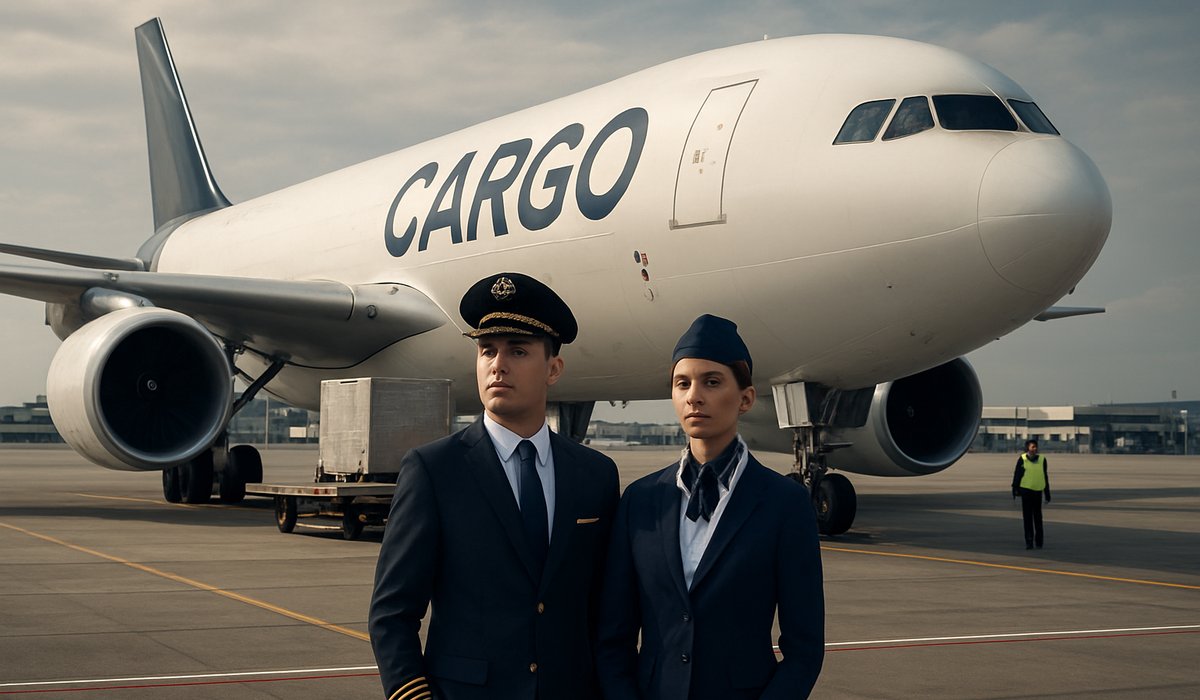
Image generated by AI
Cargo Airlines Face Critical Fleet Crisis as Manufacturing Delays Block Modernization Path
Aging freighters and supply chain breakdowns leave logistics carriers struggling to meet surging demand for fuel-efficient aircraft
The Perfect Storm: Aging Fleets Meet Manufacturing Gridlock
The global air cargo sector is confronting an acute crisis that threatens operational efficiency and profitability across the industry. While demand for modern, high-capacity freight aircraft has reached unprecedented levels, a convergence of manufacturing delays, engine shortages, and supply chain disruptions is forcing major logistics carriers to extend the operational lifespan of aging aircraft well beyond their intended retirement dates.
The contradiction is stark: as e-commerce growth and international trade continue driving record cargo volumes, airlines desperate for new freighters find themselves unable to secure modern replacements. Instead, carriers are channeling substantial resources into maintaining aging airframes—a costly and inefficient stopgap measure that underscores the severity of the industry's equipment shortage.
Next-Generation Aircraft Stalled in Development Limbo
Two pivotal aircraft programs designed to address this capacity gap are experiencing significant setbacks. The Airbus A350F, a wide-body freighter variant, and Boeing's 777-8F cargo variant continue facing repeated delays that have pushed delivery timelines further into the future. These aircraft represent the industry's best hope for fuel efficiency and payload capacity improvements, yet manufacturing complications and component availability issues have stalled their entry into service.
Industry analysts point to persistent engine supply constraints as a primary bottleneck. Engine manufacturers have struggled to meet production schedules, creating cascading delays throughout the aircraft assembly pipeline. Additionally, complex supply chain challenges—exacerbated by geopolitical tensions and post-pandemic logistics disruptions—continue hampering the availability of critical components.
Regulatory Pressures and Maintenance Burdens Compound Crisis
Environmental regulations introducing stricter emissions standards and noise reduction requirements have complicated the certification process for new freighter variants. Simultaneously, cargo carriers are locked into expensive maintenance cycles for fleets that consume significantly more fuel than modern alternatives would require.
The financial implications are substantial. Extended maintenance costs on legacy aircraft, combined with higher jet fuel expenses relative to modern, efficient engines, squeeze operator margins precisely when they face pressure to maintain competitive pricing in a logistics-driven economy.
Industry Outlook: A Decade-Long Equipment Gap
Manufacturing analysts warn that the current bottleneck could persist for years, potentially creating an equipment shortage that extends through the early 2030s. Cargo operators face an untenable choice: continue pouring capital into maintaining antiquated freighters or explore alternative solutions such as converting retired passenger aircraft—a process that remains expensive and time-consuming.
This modernization crisis raises critical questions about the air cargo industry's capacity to meet future demand and its ability to achieve environmental sustainability targets without access to next-generation aircraft technology.
FAQ: Air Cargo Industry Fleet Challenges
Q: Why are cargo airlines unable to purchase new freighter aircraft? A: Manufacturing delays, engine supply shortages, and supply chain disruptions have prevented timely delivery of modern aircraft like the Airbus A350F and Boeing 777-8F, forcing carriers to rely on aging inventory.
Q: How do jet fuel prices impact cargo airline operations? A: Older aircraft consume significantly more fuel than modern alternatives. Rising jet fuel prices disproportionately burden carriers operating legacy fleets, eroding profit margins in an already competitive market.
Q: What is the timeline for resolving the cargo aircraft shortage? A: Industry projections suggest manufacturing bottlenecks could persist through the early 2030s, creating a decade-long equipment availability crisis.
Q: How are airlines adapting to this fleet modernization delay? A: Carriers are extending maintenance schedules on aging aircraft and increasingly converting retired passenger planes into cargo variants—both costly interim solutions.
Q: What environmental impact does the cargo fleet crisis have? A: The prolonged operation of fuel-inefficient freighters delays the aviation industry's transition to lower-emissions aircraft, complicating sustainability goals.
Related Travel Guides
- Breaking Airline News: Terrifying Southwest Airlines Boeing 737 Emergency Descent Triggers Massive Travel Chaos and Severe Airport Disruptions
- Five Global Carriers Revolutionize Premium Travel With World-Class Business Class Culinary Programs in 2026
- Travel Asia Disruptions: 65+ Flights Cancelled Across Southeast Asia
Disclaimer
This article is for informational and educational purposes only. It does not constitute legal, financial, or professional advice. While we strive to provide accurate and up-to-date information, travel policies, regulations, and conditions change rapidly. Always verify information with official sources before making travel decisions. Nomad Lawyer makes no representations about the accuracy, reliability, completeness, or suitability of the information provided. Readers should consult qualified professionals for advice specific to their circumstances. The views expressed in this article are those of the author and do not necessarily reflect the views of Nomad Lawyer.
Raushan Kumar
Founder & Lead Developer
Full-stack developer with 11+ years of experience and a passionate traveller. Raushan built Nomad Lawyer from the ground up with a vision to create the best travel and law experience on the web.
Learn more about our team →