
Canada Issues Urgent Visa Fraud Alert for 14 Caribbean Nations in 2026: New Screening Rules
Canadian authorities have implemented intensified document verification and security screenings for travelers from 14 Caribbean nations following a surge in forged visa approvals and fraudulent immigration schemes.

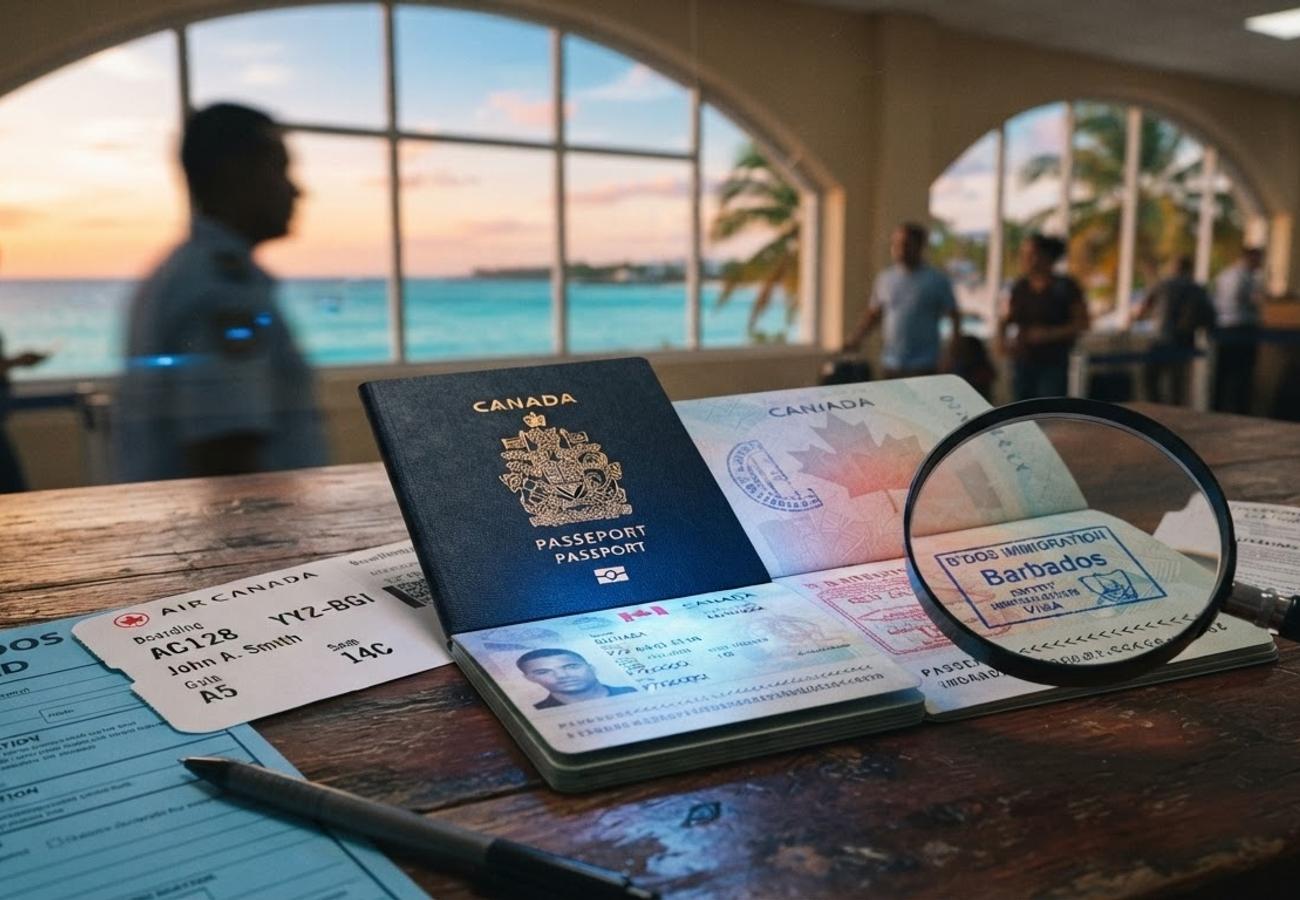
Image generated by AI
Canada has flagged a systemic rise in forged travel documents and fake approval schemes across 14 Caribbean countries, triggering a wave of intensified border scrutiny. Travelers, students, and temporary workers from these regions now face more rigorous verification processes to combat a growing network of unlicensed migration brokers.
Intensified Scrutiny for Caribbean Applicants
Canadian immigration and border agencies have shifted toward a risk-based approach to visa integrity, specifically targeting jurisdictions where fraud and security challenges are most prevalent. While Ottawa has not released a consolidated public list of all 14 affected nations, regional reports confirm that Antigua and Barbuda, along with four neighboring states, are among those facing heightened checks.
This policy shift focuses on the verification of:
- Forged letters of invitation and acceptance.
- Falsified financial records and bank statements.
- Fraudulent travel itineraries.
The current environment indicates a move toward mandatory in-person interviews and more robust background checks for applicants from these high-risk jurisdictions. This is not a country-specific ban, but rather a recalibration of how Canada evaluates proof of funds, travel history, and ties to the home country.
The Mechanics of Caribbean Visa Scams
Fraudsters are increasingly utilizing digital platforms—including messaging apps, social media, and email—to distribute fake "pre-approval" notices. These schemes often misuse Government of Canada branding or the images of public figures to sell "guaranteed" visa success.
Common fraudulent tactics identified by Canadian authorities include:
- Package Deals: Unregulated agents offering bundled airfare, accommodation, and visas for a single fee.
- Fabricated Documentation: The use of counterfeit passports, altered entry stamps, and fake employment or school records.
- Phishing Links: Messages directing users to commercial sites that mimic official government portals.
Legitimate case updates are only provided through secure government portals. Any unsolicited offer to bypass standard processing channels is a red flag for fraud.
Legal Consequences and Enforcement Actions
The Canadian government emphasizes that the applicant remains legally responsible for all documents submitted in their name, regardless of whether a consultant or third-party agent handled the filing.
The penalties for submitting forged or manipulated documents are severe:
- Immediate application refusal.
- Revocation of existing legal status.
- Multi-year bans on future travel to Canada.
Recent enforcement highlights the human cost of these schemes. In August 2026, investigators charged a Montreal-based individual for assisting dozens of applicants in submitting fraudulent temporary resident visas and refugee claims, which included the use of falsified Canadian passports.
Systemic Fraud Detection Data
Canada has implemented advanced verification systems to filter out non-genuine applications. A primary example is the letter-of-acceptance verification system, which has processed a massive volume of study-related documents to identify fraud patterns.
| Verification Metric | Data Detail |
|---|---|
| Study Letters Processed | 800,000+ (Late 2023 – 2025) |
| Targeted Region | 14 Caribbean Nations |
| Key Fraud Indicators | Falsified financial proof, fake job offers, forged passports |
| Recent Enforcement Date | August 2026 (Montreal-based fraud case) |
Guidance for Legitimate Travelers
For those traveling legally, these measures may result in longer processing times and more detailed requests for clarification. Applicants are advised to ensure all documents are clearly legible and consistent.
If a traveler discovers they have been misled by an agent, they should:
- Immediately cease communication with the representative.
- Correct their application files where possible.
- Report the incident to the Canadian Anti-Fraud Centre or the Border Watch Line.
The rise of unlicensed migration brokers highlights the critical need for travelers to rely exclusively on official government channels to secure their mobility.
Key Takeaways
- Heightened Risk: 14 Caribbean nations are under increased scrutiny for visa fraud.
- Agent Liability: Applicants are held responsible for fraud, even if committed by a third-party consultant.
- Severe Penalties: Misrepresentation can lead to long-term bans from entering Canada.
- Verification: Canada processed over 800,000 study letters between 2023 and 2025 to weed out fraud.
FAQ
Can a private agent guarantee a Canadian visa? No. Only Canadian government authorities have the power to issue visas. Any agent promising a guaranteed outcome is likely engaging in fraud.
What should I do if I suspect my visa agent is a scammer? Stop using the service immediately and report the activity to the Canadian Anti-Fraud Centre or the Border Watch Line.
Will this affect my ability to travel to other countries? Yes. A finding of misrepresentation or fraud by Canadian authorities is recorded and can complicate visa applications to other nations.
Related Travel Guides
Disclaimer
This article is for informational and educational purposes only. It does not constitute legal, financial, or professional advice. While we strive to provide accurate and up-to-date information, travel policies, regulations, and conditions change rapidly. Always verify information with official sources before making travel decisions. Nomad Lawyer makes no representations about the accuracy, reliability, completeness, or suitability of the information provided. Readers should consult qualified professionals for advice specific to their circumstances. The views expressed in this article are those of the author and do not necessarily reflect the views of Nomad Lawyer.
Preeti Gunjan
Contributor & Community Manager
A passionate traveller and community builder. Preeti helps grow the Nomad Lawyer community, fostering engagement and bringing the reader experience to life.
Learn more about our team →