
Canada–Vietnam Historic Aviation Accord: 14 Weekly Nonstop Flights, Gateway Routes, and Travel Guide 2026

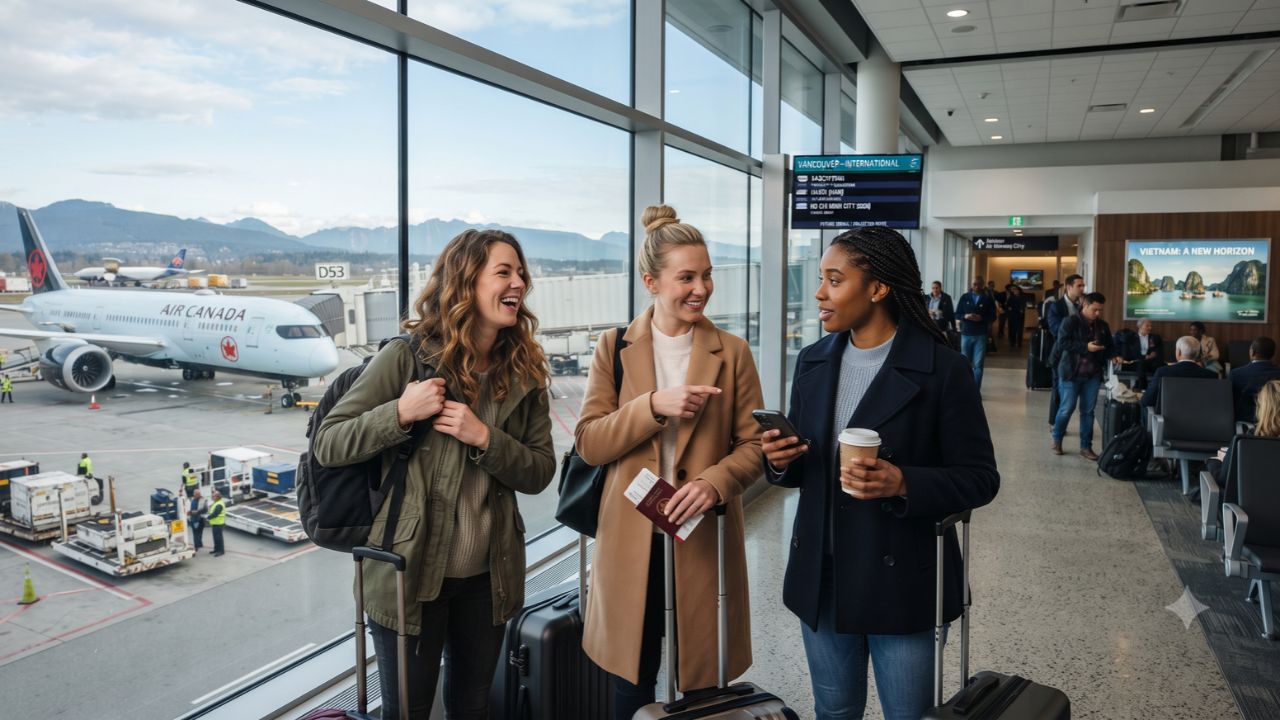
For decades, over two hundred thousand Vietnamese-Canadians and international travelers journeying between North America and Indochina have faced mandatory multi-hour layovers in East Asian mega-hubs like Tokyo, Seoul, Taipei, or Hong Kong. Following a landmark bilateral aviation treaty revision in September 2026, designated airlines from Canada and Vietnam are now legally permitted to operate up to 14 weekly passenger-combination flights and seven dedicated weekly freighters in each direction, unlocking direct transpacific routes connecting Vancouver and Toronto with Hanoi and Ho Chi Minh City.
The revised air transport framework ratified between Transport Canada and the Civil Aviation Authority of Vietnam (CAAV) dismantles long-standing regulatory barriers that previously restricted commercial capacity between both nations. By expanding operating limits to permit up to double-daily nonstop services each way, the agreement paves the way for Air Canada, Vietnam Airlines, and emerging carriers to evaluate direct point-to-point routes, significantly reducing transit times and boosting cultural, educational, and trade exchanges across the Pacific Rim.
Key Provisions of the Canada–Vietnam Aviation Pact
The expanded bilateral treaty introduces substantial commercial flexibilities across passenger and logistics sectors:
- Passenger Route Capacity: Designated flag carriers and commercial airlines from Canada and Vietnam can schedule up to 14 weekly passenger-combination flights in each direction, providing sufficient capacity for double-daily scheduled operations.
- Dedicated Air Cargo Allocations: Each country receives permissions to operate up to seven dedicated weekly freighter flights in each direction.
- Fifth-Freedom Cargo Flexibility: Freight airlines gain additional fifth-freedom traffic rights, allowing logistics carriers to load and discharge commercial cargo at intermediary international transit points to optimize transpacific supply chain networks.
- Strategic Gateway Flexibility: Airlines hold the regulatory freedom to select primary departure and arrival points across Canadian and Vietnamese international terminals based on market demand.
While regulatory approvals are officially secured, airlines must complete extensive commercial viability assessments, fleet allocations, and seasonal schedule filings before ticket sales open.
Potential Gateway Corridors: Vancouver and Toronto to Hanoi and Saigon
The physical geography of the Pacific flight path positions two major Canadian hubs as prime launchpads for nonstop services:
- Vancouver International Airport (YVR): Located on Canada's west coast, Vancouver offers the shortest geographic Great Circle flight route to Southeast Asia. A direct flight between Vancouver and Hanoi’s Noi Bai International Airport (HAN) or Ho Chi Minh City’s Tan Son Nhat International Airport (SGN) spans approximately 13 to 14.5 hours on ultra-long-range Boeing 787-9 or Airbus A350-900 aircraft. YVR also functions as a primary domestic and US transit gateway with streamlined Canadian border pre-clearance facilities.
- Toronto Pearson International Airport (YYZ): Home to Canada’s largest commercial and financial center, Toronto serves a massive metropolitan population with deep diaspora ties. While direct flights from eastern Canada require polar or North Pacific routings spanning over 15 hours, strong high-yield corporate demand, university student mobility, and business traffic support long-term direct connections promoted by Destination Canada.
On the Vietnamese side, Hanoi and Ho Chi Minh City serve as dual northern and southern gateways, offering rapid domestic flight links to coastal resorts in Da Nang, the ancient imperial capital of Hue, and the limestone karsts of Ha Long Bay via the Vietnam National Authority of Tourism.
Visitor Insider Tips for Traveling Between Canada and Vietnam
- Monitor Seasonal Fare Drops During Spring and Autumn: While nonstop routes undergo network planning, travelers booking current one-stop connections through Incheon (ICN) or Taipei (TPE) will find the most competitive fares during shoulder seasons from March to May and September to November.
- Apply for the Vietnam Electronic Visa (e-Visa) in Advance: Canadian passport holders can obtain an official 90-day multiple-entry e-Visa online via Vietnam's official immigration portal. Always verify that your passport has at least six months of validity beyond your planned departure date.
- Leverage Same-Ticket Through-Check Luggage: When booking multi-airline itineraries connecting in East Asia, ensure all flight segments share a single booking reference (PNR) so your checked baggage transfers automatically to your final Vietnamese destination.
- Choose Noi Bai (HAN) for Northern Cultural Trails and Tan Son Nhat (SGN) for Mekong Journeys: Fly into Hanoi if your primary focus is trekking through Sapa or cruising Ha Long Bay; fly into Ho Chi Minh City if you are exploring the French colonial architecture of District 1, Cu Chi tunnels, or the floating markets of Can Tho.
- Enroll in Airline Loyalty Programs Ahead of Launch: Frequent flyers accumulating Aeroplan points (Star Alliance) or Lotusmiles / SkyTeam miles should align their mileage balances to capitalize on inaugural award seat redemptions once nonstop schedules are officially published.
Cultural and Environmental Context of Transpacific Connectivity
Direct air connectivity between Canada and Vietnam represents a transformative step for cultural preservation and diaspora reconnection. By eliminating exhausting 24-to-30-hour multi-stop transit odysseys, nonstop flights enable multigenerational Vietnamese-Canadian families, students, and cultural researchers to maintain regular connections with ancestral villages, traditional artisan craft communities, and historical heritage sites.
Concurrently, the introduction of direct long-haul flights aligns with modern environmental efficiency. Flying direct on advanced composite wide-body aircraft like the Boeing 787 Dreamliner and Airbus A350 eliminates unnecessary intermediate landings, taxi cycles, and low-altitude holding patterns at secondary hubs, reducing total carbon emissions and fuel burn per passenger compared to multi-leg journeys.
As airlines finalize operational assessments, the historic aviation accord sets the stage for a dynamic new era of international travel, drawing Canada and Vietnam closer across the transpacific horizon.
FAQ: Canada to Vietnam Travel 2026
What does the new Canada–Vietnam aviation agreement allow?
The agreement permits designated Canadian and Vietnamese airlines to operate up to 14 weekly passenger flights and seven dedicated weekly cargo flights in each direction.
Which Canadian airports are most likely to receive direct Vietnam flights?
Vancouver International Airport (YVR) and Toronto Pearson International Airport (YYZ) are the primary candidates due to strong passenger demand and strategic geographic positioning.
Do Canadian citizens need a visa to visit Vietnam?
Yes, Canadian citizens require an entry visa, which can be conveniently secured online through the official Vietnamese government 90-day multiple-entry e-Visa system.
How long will a direct flight between Vancouver and Vietnam take?
A direct nonstop flight between Vancouver and Hanoi or Ho Chi Minh City will take approximately 13 to 14.5 hours depending on aircraft type and prevailing jet streams.
Bridging the Pacific with historic open skies, expanded air connectivity brings the vibrant cultures of Canada and Vietnam closer than ever before.
Related Travel Guides
Disclaimer
This article is for informational and educational purposes only. It does not constitute legal, financial, or professional advice. While we strive to provide accurate and up-to-date information, travel policies, regulations, and conditions change rapidly. Always verify information with official sources before making travel decisions. Nomad Lawyer makes no representations about the accuracy, reliability, completeness, or suitability of the information provided. Readers should consult qualified professionals for advice specific to their circumstances. The views expressed in this article are those of the author and do not necessarily reflect the views of Nomad Lawyer.
Preeti Gunjan
Contributor & Community Manager
A passionate traveller and community builder. Preeti helps grow the Nomad Lawyer community, fostering engagement and bringing the reader experience to life.
Learn more about our team →