
Canada-US Border Travel Rebounds as Political Tensions Give Way to Practicality
After a prolonged period of decline driven by diplomatic friction and trade disputes, new data indicates that Canadian t

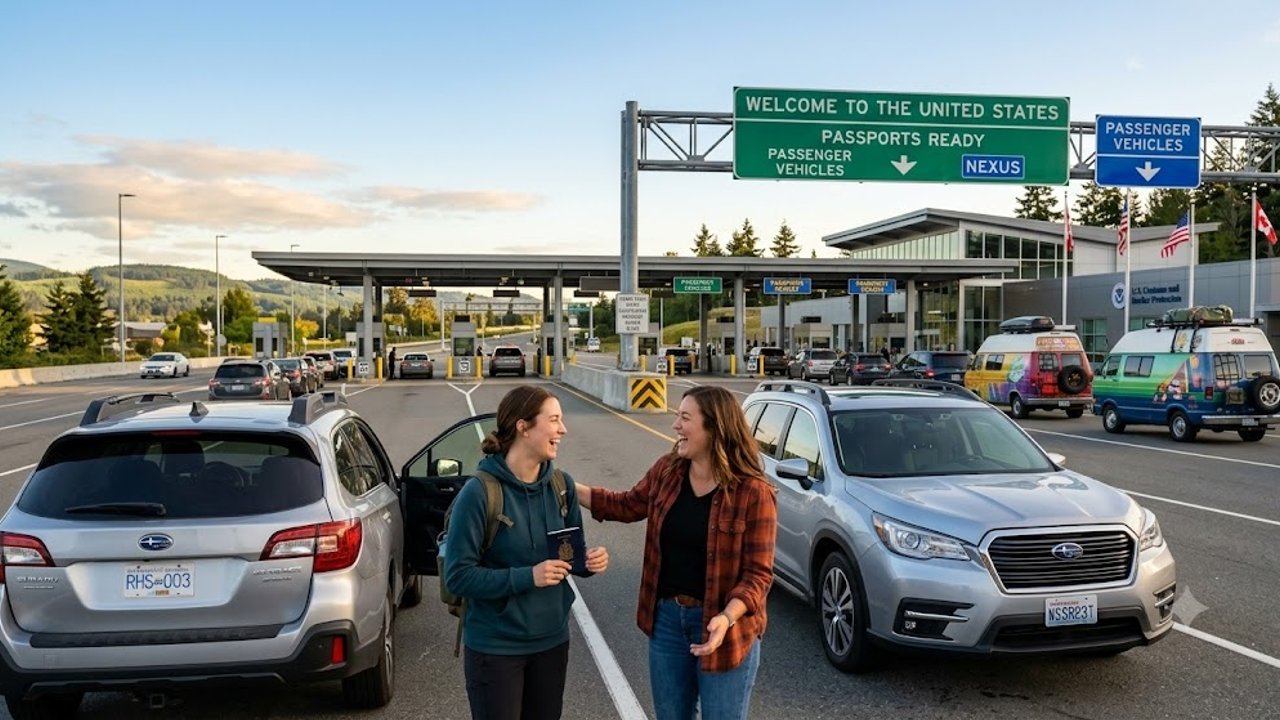
Image generated by AI
Cross-Border Tourism Shows Signs of Recovery
Travel patterns between Canada and the United States are shifting once again. According to recent data from Statistics Canada, the volume of travel across the border has entered a recovery phase, marking the first upward trend since January 2025.
The rebound suggests a pivot in consumer behavior. While geopolitical tensions and economic friction previously deterred Canadians from visiting the U.S., the latest figures indicate that travelers are becoming more pragmatic, separating their long-term travel habits from short-term political volatility.
The Impact of Political Friction on Tourism
The decline in travel leading up to 2026 was not accidental. A combination of trade disputes and provocative rhetoric from the U.S. administration—including comments regarding Canada's sovereignty—led to a visible cooling of tourism.
Many Canadian consumers engaged in intentional boycotts, using their spending power as a form of political expression. However, the April 2026 data confirms that these emotional drivers are being superseded by practical necessities, such as family obligations, business requirements, and the inherent convenience of neighboring geography.
Road Trips Outpace Air Travel in Growth
A significant divergence has emerged in how Canadians are crossing the border. Automobile travel is driving the current recovery, while aviation continues to struggle.
The Surge in Driving: Return trips by car saw a substantial year-over-year increase of 8.1%, totaling 1.5 million journeys. Notably, 65% of these were same-day trips. The preference for driving is attributed to:
- Greater Flexibility: Control over itineraries and timing.
- Cost Efficiency: Lower expenses compared to fluctuating airfares.
- Proximity: High appeal for residents in border provinces.
The Air Travel Lag: Conversely, air travel has not yet recovered, with return trips dropping 7.1% year-over-year to 805,900 journeys. This decline is likely linked to the higher financial commitment required for long-distance flights and a general caution regarding discretionary spending on premium travel.
Comparative Travel Data: February vs. April 2026
The recovery in April is particularly striking when compared to the slump seen earlier in the year. In February 2026, the industry saw sharp contractions, illustrating how quickly travel demand can react to external shocks.
Canada-US Travel Metrics (Year-over-Year)
| Metric | February 2026 Change | April 2026 Change | April 2026 Volume |
|---|---|---|---|
| Total Return Trips | N/A | +1.8% | N/A |
| Automobile Trips | -12.3% | +8.1% | 1.5 Million |
| Air Travel Trips | -12.0% | -7.1% | 805,900 |
| Total Global Trips | N/A | +2.1% | 3.8 Million |
Broader Implications for the Tourism Industry
The data suggests that Canadians are diversifying their travel portfolios. With total trips abroad increasing by 2.1% in April (reaching 3.8 million), travelers are no longer relying on a single primary market but are expanding their destination choices to ensure resilience against regional instability.
For tourism operators, the lesson is clear: political volatility often creates temporary dips rather than permanent shifts in demand. Businesses that maintain flexible pricing and diverse transportation options are best positioned to capture the "bounce-back" effect when consumer sentiment shifts.
Key Takeaways
- Resilience: Tourism demand is often emotional in the short term but returns to practical drivers over time.
- Mode Shift: Road travel is the primary engine of the current US-Canada recovery due to affordability and convenience.
- Volatility: The sharp contrast between February and April data shows that travel trends can reverse rapidly.
- Diversification: Canadian travelers are increasingly exploring a wider variety of international destinations to mitigate risk.
FAQ
Why did Canadian travel to the US decline initially? Travel decreased due to trade wars and political tensions, leading some Canadians to boycott U.S. tourism as a form of protest.
Which mode of transport is most popular for cross-border trips in 2026? Automobile travel is currently the most popular, showing an 8.1% increase in return trips.
Is air travel recovering at the same rate as road travel? No. Air travel is still lagging, showing a 7.1% year-over-year decline as travelers seek more affordable and flexible options.
Related Travel Guides
Disclaimer
This article is for informational and educational purposes only. It does not constitute legal, financial, or professional advice. While we strive to provide accurate and up-to-date information, travel policies, regulations, and conditions change rapidly. Always verify information with official sources before making travel decisions. Nomad Lawyer makes no representations about the accuracy, reliability, completeness, or suitability of the information provided. Readers should consult qualified professionals for advice specific to their circumstances. The views expressed in this article are those of the author and do not necessarily reflect the views of Nomad Lawyer.
Kunal K Choudhary
Co-Founder & Contributor
A passionate traveller and tech enthusiast. Kunal contributes to the vision and growth of Nomad Lawyer, bringing fresh perspectives and driving the community forward.
Learn more about our team →