
Canada Outdoor Nestled Between 3 Mighty Mountain Ranges: Alpine Village Adventure Hub 2026
A hidden Canadian alpine village nestled between three dramatic mountain ranges is emerging as a premier 2026 destination for digital nomads and remote workers seeking outdoor adventures with workspace flexibility.

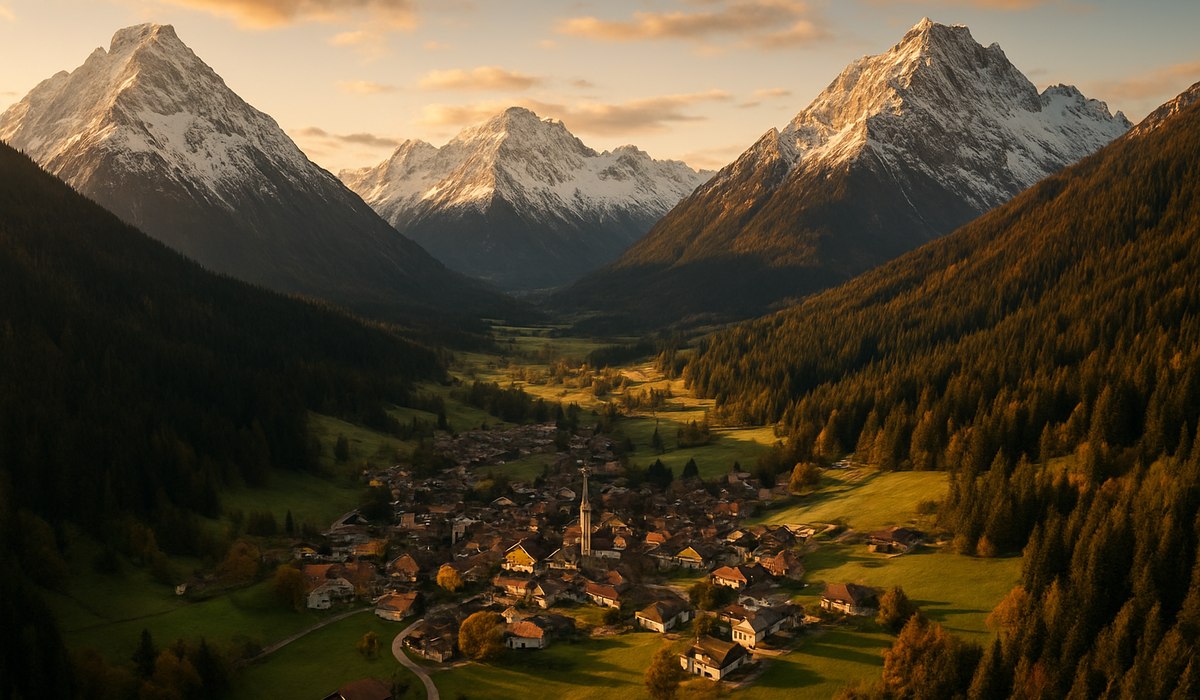
Image generated by AI
A Mountain Lover's Paradise Emerges as 2026's Top Remote Work Destination
Canada's alpine village nestled between three mighty mountain ranges is capturing attention from digital nomads and location-independent professionals seeking the ultimate work-life balance. Positioned perfectly between towering peaks, this scenic mountain community offers unparalleled access to world-class outdoor adventures without sacrificing reliable internet connectivity and modern amenities. The convergence of three distinct mountain ecosystems creates a rare geographic phenomenon that attracts adventure seekers year-round, transforming this once-quiet settlement into a thriving hub for remote workers prioritizing natural beauty and recreational opportunities.
The Perfect Mountain Trifecta: Location and Scenery
The village's extraordinary positioning between three separate mountain ranges creates an unmatched natural amphitheater of peaks and valleys. Each range brings distinct geological characteristics, vegetation zones, and recreational opportunities that complement rather than compete with one another. This tripartite mountain setting provides dramatic seasonal transformations—from spring wildflower meadows to summer alpine lakes, autumn golden aspen forests, and winter's pristine snow-covered slopes.
The convergence creates what outdoor enthusiasts call the "golden corridor," where elevation changes within short distances allow visitors to experience multiple ecosystems in single day excursions. Local guides report that this unique geography makes the village an exceptional training ground for mountaineers, backcountry skiers, and trail runners. The surrounding terrain includes accessible day hikes alongside technical alpine routes, ensuring adventurers of all experience levels find suitable challenges.
Check the official regional tourism board for detailed trail maps and seasonal access information for all three ranges.
Winter Sports Hub and Peak Season Dynamics
Winter transforms the alpine village into one of Canada's premier snow sports destinations. The three mountain ranges receive abundant snowfall due to their distinct weather patterns and elevations, creating ideal conditions for skiing, snowboarding, and backcountry adventures. Several resorts operate within the immediate vicinity, offering everything from groomed runs to off-piste terrain.
The peak winter season runs from December through March, with January and February providing the deepest snow and most stable conditions. Many resorts report record visitor numbers in 2026, driven partly by the growing nomad community establishing semi-permanent bases. Accommodations book months in advance during this period, making early planning essential for travelers seeking lodging during traditional peak months.
Beyond downhill skiing, the region supports world-class cross-country skiing, snowshoeing, and ice climbing opportunities. The village itself maintains excellent winter accessibility, with roads typically cleared within hours of snowfall.
Summer and Year-Round Activities for Digital Nomads
Summer brings equally compelling reasons to visit, with temperatures perfect for hiking, mountain biking, rock climbing, and trail running. The alpine meadows burst with wildflowers between July and August, creating photographers' paradise conditions. Many remote workers discover that the cool mountain climate and long daylight hours boost productivity while extensive trail systems provide afternoon workout breaks.
Outdoor recreation remains accessible into fall, with September and October offering crisp air and fewer crowds than summer months. This shoulder season appeals particularly to digital nomads seeking solitude combined with comfortable working conditions. The village's growing co-working spaces and coffee shops with reliable high-speed internet cater specifically to the remote workforce.
Elevation ranges from 1,000 to over 3,000 meters across accessible day routes, allowing visitors to customize exertion levels based on fitness and time availability.
Best Time to Visit
Spring (April-May): Emerging wildflowers, moderate temperatures, fewer crowds. Avalanche danger still present at high elevations.
Summer (June-August): Peak season with perfect hiking weather, all trails accessible, warmest temperatures (15-22°C daytime). Busiest period for accommodations.
Fall (September-October): Excellent hiking conditions, fewer visitors, colorful foliage, crisp morning air ideal for focused work sessions.
Winter (November-March): Premier snow sports season, dramatic snowy landscapes, consistent powder conditions. Book accommodations well in advance.
The optimal timing depends on your primary activity. Winter sports enthusiasts prefer January-February, while hikers and remote workers typically prefer June-September for reliability and comfort.
How to Get There
The alpine village connects via several transportation routes:
By Air: Nearest major airport is located 90 kilometers away with daily flights from Calgary, Vancouver, and Toronto. Rental car services operate consistently year-round.
By Road: The Trans-Canada Highway passes within 60 kilometers of the village center. Scenic drives from major Canadian cities take 8-12 hours depending on origin point. Winter driving requires all-season tires; studded tires recommended January-March.
By Train: Regional rail service connects the village with major metropolitan centers during summer months, with reduced winter schedules.
Most travelers fly to the nearest major hub, then drive or transfer via shuttle services operated by local hospitality providers. The 90-minute drive from the airport offers stunning mountain views and gentle acclimatization to elevation changes.
Visit the regional transportation authority website for real-time road condition updates and seasonal access information before planning your journey.
Where to Stay: Accommodations for Every Budget
The village offers diverse lodging options catering to various travel styles and budgets:
| Accommodation Type | Price Range | Best For | Features |
|---|---|---|---|
| Luxury Mountain Lodges | $400-800/night | Premium experience | Spas, fine dining, fireplace suites |
| Mid-Range Hotels | $150-300/night | Remote workers | WiFi, workspaces, kitchen access |
| Adventure Lodges | $120-250/night | Active travelers | Group activities, communal areas |
| Vacation Rentals | $100-400/night | Extended stays | Full kitchens, laundry, mountain views |
| Hostels | $40-80/night | Budget travelers | Social atmosphere, shared kitchens |
| Backcountry Huts | $30-75/night | Mountaineers | Alpine camping, self-sufficiency |
Remote workers frequently choose mid-range hotels or vacation rentals offering high-speed internet, adequate workspace, and proximity to outdoor trails. Book accommodations at least 8 weeks ahead for peak summer and winter seasons.
Check TripAdvisor for current guest reviews and availability calendars specific to your travel dates.
Dining and Culinary Scene
The expanding village supports restaurants ranging from casual mountain bistros to upscale fine dining establishments. Many establishments source local ingredients from surrounding valleys and partner farms. Coffee culture thrives with multiple specialty roasters catering to remote workers seeking reliable caffeine during work hours.
Grocery stores stock both everyday essentials and specialty items for visitors planning extended stays. Restaurant reservations become essential during peak winter months when visitor density peaks.
What This Means for Travelers
The emergence of Canada's alpine village nestled between three mighty mountain ranges as a destination hotspot carries significant implications for planning your 2026 adventures:
-
Book Early: Accommodations in peak seasons (January-February, July-August) fill 8-12 weeks in advance. Make reservations now for summer and winter travel.
-
Prepare for Elevation: The village sits at higher elevation than surrounding areas. Plan 2-3 days for acclimatization, stay hydrated, and consult healthcare providers regarding altitude considerations.
-
Investment in Quality Gear: Weather changes rapidly in alpine environments. Pack layered clothing suitable for 15°C temperature swings within single days, regardless of season.
-
Download Offline Maps: Mobile coverage exists but remains inconsistent on remote trails. Download offline maps covering all three mountain ranges before backcountry adventures.
-
Embrace the Remote Work Opportunity: The village's growing digital
Disclaimer
This article is for informational and educational purposes only. It does not constitute legal, financial, or professional advice. While we strive to provide accurate and up-to-date information, travel policies, regulations, and conditions change rapidly. Always verify information with official sources before making travel decisions. Nomad Lawyer makes no representations about the accuracy, reliability, completeness, or suitability of the information provided. Readers should consult qualified professionals for advice specific to their circumstances. The views expressed in this article are those of the author and do not necessarily reflect the views of Nomad Lawyer.
Raushan Kumar
Founder & Lead Developer
Full-stack developer with 11+ years of experience and a passionate traveller. Raushan built Nomad Lawyer from the ground up with a vision to create the best travel and law experience on the web.
Learn more about our team →