
Tallinn Leads Europe as the Calmcation Travel Trend Redefines Stress-Free Sightseeing Across Quiet European Cities in 2026: New Travel Alert
Tallinn emerges as Europe's most relaxing city as the calmcation trend drives demand for quiet, walkable destinations like Zurich, Tartu, and Vilnius.

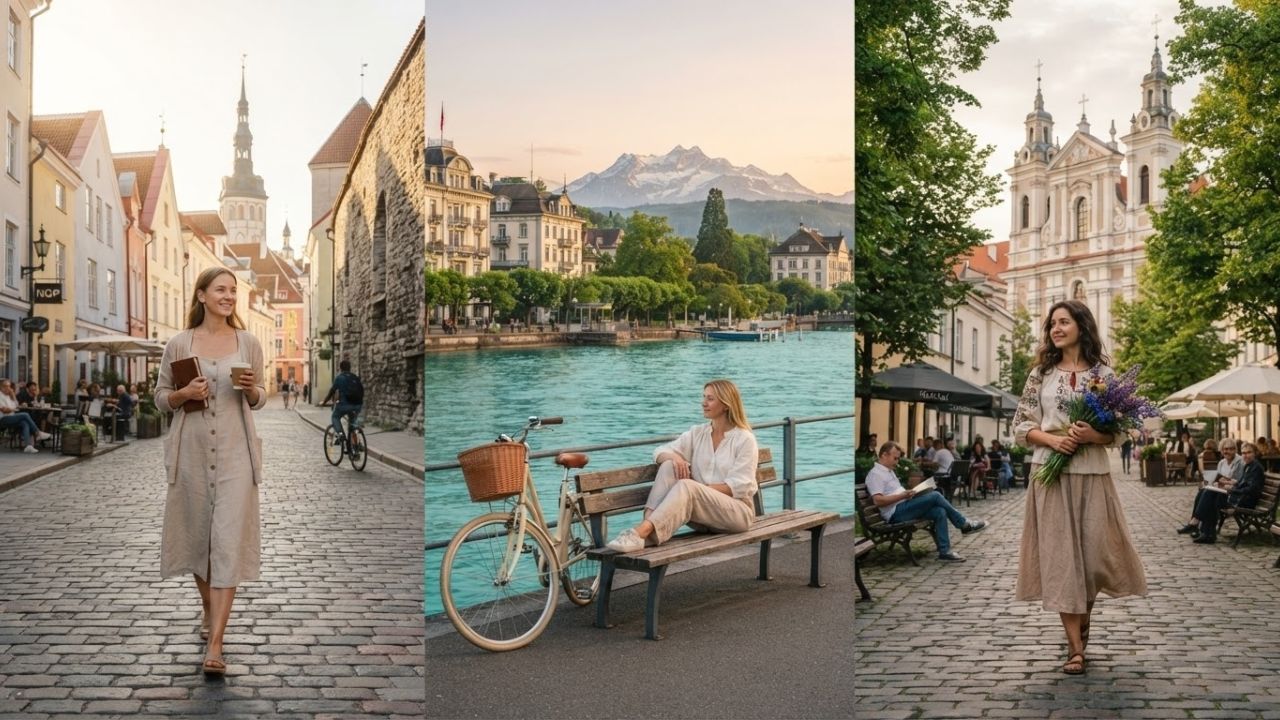
Image generated by AI
Published on July 28, 2026
Estonia's capital, Tallinn, has secured the top position in a comprehensive index of nearly 70 European cities, highlighting how the growing calmcation travel trend is redefining passenger experiences in 2026. Driven by a search for lower noise pollution, clean environments, and walkable historic streets, travelers are choosing quieter cities like Zurich, Tartu, Trondheim, and Vilnius over crowded capitals. To ensure a relaxing and stress-free holiday, travelers are advised to plan itineraries around these wellness-oriented urban destinations that prioritize safety and nature.
Quick Summary
- Relaxing Capital Leader: Tallinn ranks as Europe's most relaxing destination, recognized for its low noise levels, clean air, and compact medieval Old Town.
- Five Top Destinations: The leading peaceful cities include Tallinn (Estonia), Zurich (Switzerland), Tartu (Estonia), Trondheim (Norway), and Vilnius (Lithuania).
- Analysis Parameters: A study evaluating nearly 70 European cities highlighted noise levels, safety, air quality, green spaces, and walkability as key indicators of traveler comfort.
- Congestion Disparities: High-pressure capitals like Naples, Bucharest, and Antwerp ranked lower, facing challenges from noise and traffic congestion.
As overcrowding and tourism pressure impact major European hubs, travel analysts are tracking a distinct shift in consumer vacation choices. The emergence of the calmcation movement highlights a demand for slow travel where personal health, comfort, and quiet environments are prioritized. Regional tourism secretariats are promoting lesser-known municipal areas, urging travelers to choose destinations with clean public areas and accessible green spaces to recharge without managing stressful schedules.
Event Details: The Quiet European Cities Leading the Index
A detailed comparison of nearly 70 European cities has mapped the continent's most relaxing destinations for 2026. The study ranked destinations based on safety, noise pollution, walkability, and proximity to nature. Tallinn, the capital of Estonia, achieved the highest rating due to its mix of medieval architecture, clean air, low noise levels, and compact walkable layout.
The top five peaceful destinations on the map include:
- Tallinn, Estonia: Features low noise pollution, high safety levels, and an easily accessible medieval Old Town.
- Zurich, Switzerland: Recognized for excellent walkability, well-organized public transit infrastructure, and public spaces connected to nature.
- Tartu, Estonia: A relaxed university city offering a quiet, slow-paced lifestyle without the crowds of major tourist hubs.
- Trondheim, Norway: Offers an outdoor-focused urban layout with abundant parks, natural landscapes, and high safety standards.
- Vilnius, Lithuania: Noted for its green areas, peaceful streets, and comfortable tourist environment.
Risk and Tourism Pressure: Comparing Calm vs. High-Stress Destinations
Travelers visiting high-traffic urban areas face different operational challenges and stressors compared to calm destinations:
- Congestion and Traffic in Major Capitals: High-pressure cities face heavy traffic congestion and crowded public spaces, which can increase travel delays and personal stress.
- Higher Travel Expenses: Overcrowded destinations typically suffer from inflated hotel pricing and higher restaurant costs compared to smaller, peaceful alternatives.
- Elevated Noise Pollution: Cities like Naples, Bucharest, and Antwerp ranked lower in the study due to noise levels and busy streets that can affect the visitor experience.
- Traditional Sightseeing vs. Wellness Travel: Cities like Athens, Marseille, and Milan remain culturally important but do not provide the quiet environment that wellness-oriented travelers seek.
What Authorities and Industry Stakeholders Are Saying
Travel analysts and local tourism boards are encouraging a transition toward thoughtful travel. Analysts highlight that the calmcation travel trend is a rational response to overcrowded airports and busy schedules, with tourists wanting to return home feeling refreshed.
Tourism secretariats recommend that municipal planners invest in pedestrian infrastructure, parks, and noise-reduction programs. Stakeholders emphasize that smaller cities can match the cultural offerings of larger capitals—such as historical landmarks and local food scenes—while providing a safer and more welcoming atmosphere for visitors.
Practical Traveler Advice: Planning a Stress-Free Calmcation
For travelers looking to follow the calmcation travel trend, industry guides suggest several actionable tips:
- Choose Walkable Destinations: Opt for compact cities like Tallinn or Zurich where you can explore historic landmarks on foot.
- Explore Secondary Cities: Visit quieter university towns like Tartu to experience history, food, and culture without the crowds.
- Prioritize Proximity to Nature: Look for destinations like Trondheim or Vilnius that allow you to combine city tours with walks in parks and natural reserves.
- Research Noise and Safety Levels: Check local safety indices and noise pollution ratings when planning urban stays.
- Slow Down Your Schedule: Plan to spend more time in fewer cities, focusing on local markets and historic streets rather than packing your day with sightseeing stops.
Broader Context: Shifting Travel Mindsets and Tourism Pressures
The popularity of quiet cities reflects a change in how travelers define the value of a holiday. Rather than using trips to collect photographs of famous sights, more visitors are using vacations to escape daily pressures and improve their physical and mental wellbeing.
This shift matches a growing resistance to the speed and stress of modern transit. By choosing walkable layouts, clean environments, and quiet neighborhoods, travelers are reclaiming the vacation as a restorative experience, showing that smaller destinations are well-equipped to host meaningful cultural journeys.
Looking Ahead: The Growth of Wellness Tourism and Municipal Upgrades
As the calmcation travel trend continues to shape tourism demand through 2026 and beyond, smaller cities are expected to see steady growth in visitor numbers. This shift is likely to encourage municipal governments to invest in public parks, walking routes, and environmental preservation.
Rather than competing for landmark-focused tourism, quiet cities will continue to position themselves as centers for wellness and slow travel. These efforts will help build a more resilient tourism model that supports local businesses and keeps cultural heritage accessible without overwhelming municipal services.
In summary, the rise of the calmcation travel trend highlights a change in how families choose their holiday destinations. By selecting quiet European cities over crowded capitals, travelers can enjoy a more restorative vacation. With proper preparation and early bookings, travelers can look forward to a peaceful and authentic European journey.
FAQ: Calmcation Travel Trend and Relaxing European Cities
What is the calmcation travel trend?
It is a travel movement focused on choosing quieter, less crowded destinations that offer clean environments, low noise levels, safety, and walkable layouts to help travelers recharge and reduce stress.
Which European cities are best for a calmcation?
The top five relaxing cities include Tallinn (Estonia), Zurich (Switzerland), Tartu (Estonia), Trondheim (Norway), and Vilnius (Lithuania), all noted for safety, green spaces, and slow-paced living.
Why is Tallinn ranked as Europe's most relaxing destination?
Tallinn leads the index due to low noise pollution, clean air, high safety standards, and a compact medieval Old Town that is easy to explore on foot.
What parameters are used to rank peaceful cities?
The index of nearly 70 European cities evaluates factors including safety, noise levels, access to parks and nature, air quality, and walkability.
Which European destinations are considered high-pressure or stressful?
Cities that ranked lower in the index due to noise, congestion, and busy streets include Naples, Bucharest, and Antwerp, along with Athens, Marseille, and Milan.
Related Travel Guides
- Alternative European Travel Destinations to Beat the Crowds in 2026
- United States Highlights Five U.S. Coastal Towns for Summer Escapes Beyond the Beach, Inviting Travelers to Explore Rich Culture, Heritage, and Gastronomy: New Travel Alert
- The 10 Best Walking Trails in European Cities, According To Reddit
Disclaimer
This article is for informational and educational purposes only. It does not constitute legal, financial, or professional advice. While we strive to provide accurate and up-to-date information, travel policies, regulations, and conditions change rapidly. Always verify information with official sources before making travel decisions. Nomad Lawyer makes no representations about the accuracy, reliability, completeness, or suitability of the information provided. Readers should consult qualified professionals for advice specific to their circumstances. The views expressed in this article are those of the author and do not necessarily reflect the views of Nomad Lawyer.
Kunal K Choudhary
Co-Founder & Contributor
A passionate traveller and tech enthusiast. Kunal contributes to the vision and growth of Nomad Lawyer, bringing fresh perspectives and driving the community forward.
Learn more about our team →