
Andean Valley: Cafayate Rises as Argentina's High-Altitude Wine Capital
Cafayate in Argentina's Salta province offers high-altitude wine tasting, geological reserves, and cultural experiences in the Calchaquí Valleys.

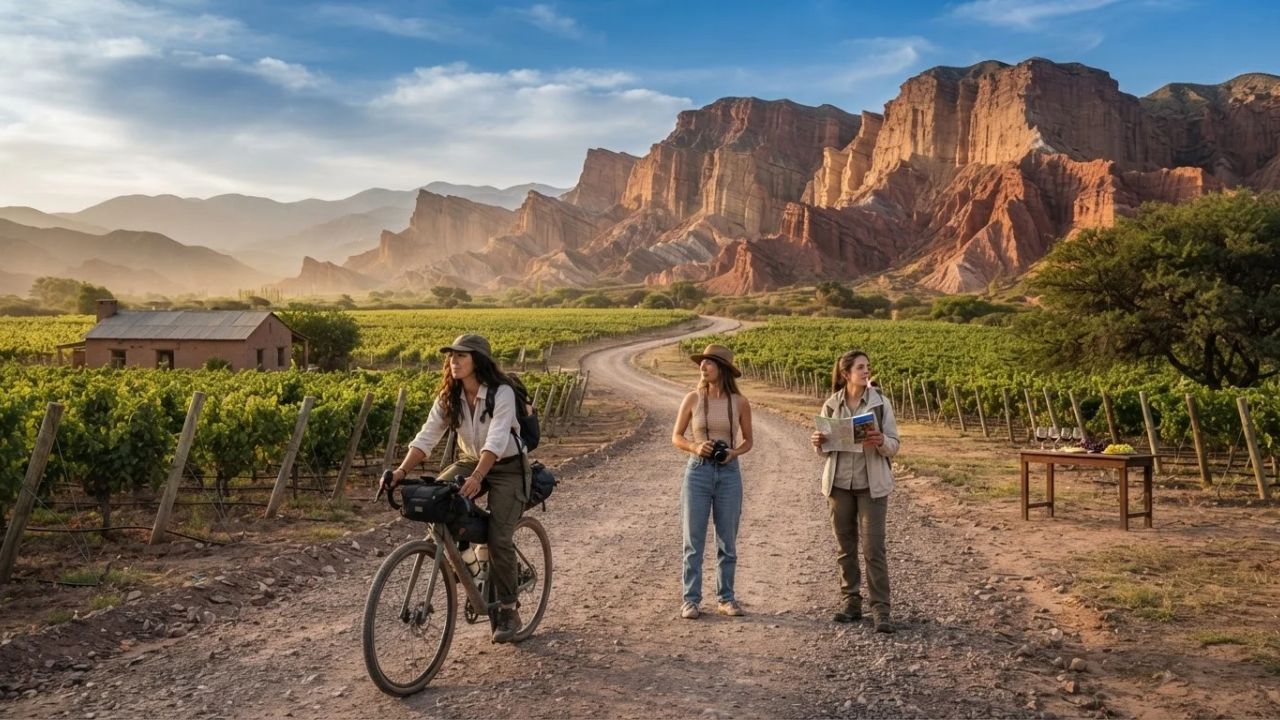
Image generated by AI
Nestled within the Calchaquí Valleys of Salta province, Cafayate has emerged as a premier destination for high-altitude winemaking and outdoor adventure in northern Argentina. Travelers are bypassing crowded cities to explore the scenic Wine Route and the dramatic geological formations of the Quebrada de las Conchas Natural Reserve.
The Appeal of High-Altitude Gastronomy and Nature
A major trend in global travel is the growing interest in regional wine routes and high-altitude agricultural destinations. Modern travelers are moving away from crowded urban hubs in favor of immersive rural areas where they can experience local traditions, taste regional products, and explore unique environments. High-altitude wine production, particularly in desert-like valleys, creates a distinct setting that combines scenic drives, geological reserves, and indigenous heritage.
By establishing slower itineraries, these destinations encourage visitors to spend more time exploring local vineyards, museums, and natural formations, directly supporting the regional economy.
The Cafayate Wine Route and Torrontés Grape
One of the primary attractions for visitors to Salta province is the regional Wine Route:
- Mountain Terroir: Wineries are surrounded by the mountains of the Calchaquí Valleys, where high-elevation sunny days and cool nights support viticulture.
- Signature Varietal: The region is famous for Torrontés, a distinctive white wine grape variety that thrives in Cafayate's high-altitude microclimates.
- Direct Access: The route provides travelers with direct access to family-owned boutique vineyards, where they can learn about high-altitude agricultural techniques.
- Cultural Exchange: Vineyard visits are combined with local food experiences, letting travelers meet local producers and understand the agricultural traditions of Northern Argentina.
This wine program offers a relaxing alternative to mass-market urban tourism, connecting visitors with regional heritage.
The Red Rock Formations of Quebrada de las Conchas
The Quebrada de las Conchas Natural Reserve is a key attraction for outdoor enthusiasts:
- Geological Formations: Millions of years of wind and water erosion have shaped the reserve's sandstone, creating canyons, pillars, and red rock formations.
- Scenic Route: National Route 68 runs through the reserve, providing a scenic highway for road trips, landscape photography, and sightseeing.
- Key Viewpoints: Popular stops include natural formations such as the Amphitheatre (El Anfiteatro) and the Devil's Throat (Garganta del Diablo), known for their unique shapes and acoustic properties.
- Low-Impact Hiking: The reserve offers short walking trails and viewpoints, letting travelers explore the desert valley without disturbing the local environment.
These natural landmarks attract adventure travelers, photographers, and visitors searching for uncrowded destinations.
Museums, Crafts, and Local Culture
Cafayate offers cultural experiences alongside its natural attractions:
- Museum of Grapevine and Wine: The Museo de la Vid y el Vino provides travelers with an educational introduction to the history, science, and cultural importance of winemaking in Salta.
- Artisanal Cooperatives: The town features craft markets where local artisans sell handmade pottery, woven textiles, and silver goods using traditional techniques.
- Regional Gastronomy: Visitors can experience local culinary specialties, including traditional empanadas salteñas prepared in clay ovens, regional goat cheeses, and Torrontés-infused dishes.
- Historic Streets: The town center features colonial architecture, quiet plazas, and family-owned cafes, offering a slower pace of travel.
Cafayate Travel Specifications
The table below breaks down the primary attractions, locations, and key experiences within the Cafayate region:
| Travel Route / Reserve | Key Attraction or Service | Primary Experience | Ideal Traveler Focus |
|---|---|---|---|
| Cafayate Wine Route | High-altitude boutique wineries | Torrontés tastings & vineyard walks | Gastronomy & agriculture |
| Quebrada de las Conchas | Red sandstone canyons & formations | Road trips, walks & photography | Adventure & nature |
| Museo de la Vid y el Vino | Winemaking history displays | Educational guides & cultural history | Education & heritage |
| Cafayate Artisanal Market | Handcrafted pottery & textiles | Direct purchase from local makers | Art & community support |
These coordinates help travelers plan their itineraries through Salta province.
Environmental Stewardship and Supporting Local Economies
For the visitor, the real impact of exploring Cafayate is the opportunity to support sustainable agricultural practices. Many high-altitude vineyards utilize drip irrigation systems fed by mountain meltwater, protecting regional water tables and minimizing water waste in the desert environment.
Additionally, purchasing handmade crafts directly from local artisan cooperatives ensures that tourism income directly supports family businesses and keeps traditional weaving and pottery skills alive. Staying in local guesthouses and dining at independent restaurants helps keep revenue within the Calchaquí Valleys, supporting rural livelihoods.
For example, you can explore the changing dynamics of Green Sanctuary: Colonia Chapá Leads Argentina's Rural Ecotourism Movement to see how other Argentine provinces develop sustainable travel. For budget-conscious travelers, aligning slow city travel with municipal transit options mirrors similar regional initiatives, such as the Free Admission at Select US State Parks programs. This trend is similar to the tourism growth seen in other destinations, as detailed in our guide on how Utica, New York Emerges as an Affordable Northeast Tourism Hub.
Visitor Insider Tips: Navigating Cafayate
If you are planning a trip to Cafayate and the surrounding valleys, keep these practical tips in mind:
- Plan Around Afternoon Siestas: Many local shops, restaurants, and wineries close during the afternoon (typically between 1:00 p.m. and 5:00 p.m.). Plan your vineyard tours for the morning or late afternoon.
- Carry a Reusable Water Bottle: Cafayate is situated at approximately 1,683 meters above sea level in a dry, sunny environment. Drink plenty of water to prevent dehydration and altitude fatigue.
- Try Torrontés Ice Cream: Visit Heladería Miranda in town to try their famous Torrontés and Cabernet Sauvignon wine-flavored ice creams.
- Rent a Bicycle for Vineyard Tours: Many of Cafayate's wineries are located close to the town center. Consider renting a bicycle to tour the vineyards at a slower pace.
- Drive Safely Through the Reserve: Route 68 is paved but winding. Watch for pedestrians and cyclists near key formations in the Quebrada de las Conchas, and use designated pull-offs for photos.
Long-Term Outlook for Salta Province Tourism
The long-term outlook for Cafayate is focused on the expansion of organic wine tourism and the preservation of the Calchaquí Valleys' natural reserves. As international demand for authentic, nature-based travel grows, the province aims to develop low-impact infrastructure that supports visitor access while protecting its natural and cultural heritage.
By maintaining regional traditions and supporting local producers, Cafayate highlights the benefits of slow travel for communities and travelers alike.
FAQ
Where is Cafayate and how do I get there?
Cafayate is located in the Calchaquí Valleys of Salta province in northwestern Argentina, approximately 189 kilometers south of Salta city via Route 68.
What is the best time of year to visit Cafayate?
The ideal time to visit is during the dry season, from March to November, when days are sunny and temperatures are moderate. The grape harvest occurs between February and April.
What makes Cafayate's wine route unique?
The region is home to some of the highest vineyards in the world, producing Torrontés, a white wine grape variety known for its aromatic profile.
Do I need to book winery tours in advance?
For larger wineries, booking in advance is recommended, especially during peak holiday periods, though some boutique vineyards accept walk-ins for tastings.
Stay updated on the wine routes and sustainable destinations shaping South American travel.
Related Travel Guides
Disclaimer
This article is for informational and educational purposes only. It does not constitute legal, financial, or professional advice. While we strive to provide accurate and up-to-date information, travel policies, regulations, and conditions change rapidly. Always verify information with official sources before making travel decisions. Nomad Lawyer makes no representations about the accuracy, reliability, completeness, or suitability of the information provided. Readers should consult qualified professionals for advice specific to their circumstances. The views expressed in this article are those of the author and do not necessarily reflect the views of Nomad Lawyer.
Raushan Kumar
Founder & Lead Developer
Full-stack developer with 11+ years of experience and a passionate traveller. Raushan built Nomad Lawyer from the ground up with a vision to create the best travel and law experience on the web.
Learn more about our team →