
Business Class Transforms: Leisure Travelers Now Dominate Premium Cabins in 2026
Business class cabins are experiencing a seismic shift in 2026 as cost-conscious corporations slash premium travel budgets, opening exclusive seats to leisure travelers and reshaping airline revenue strategies.

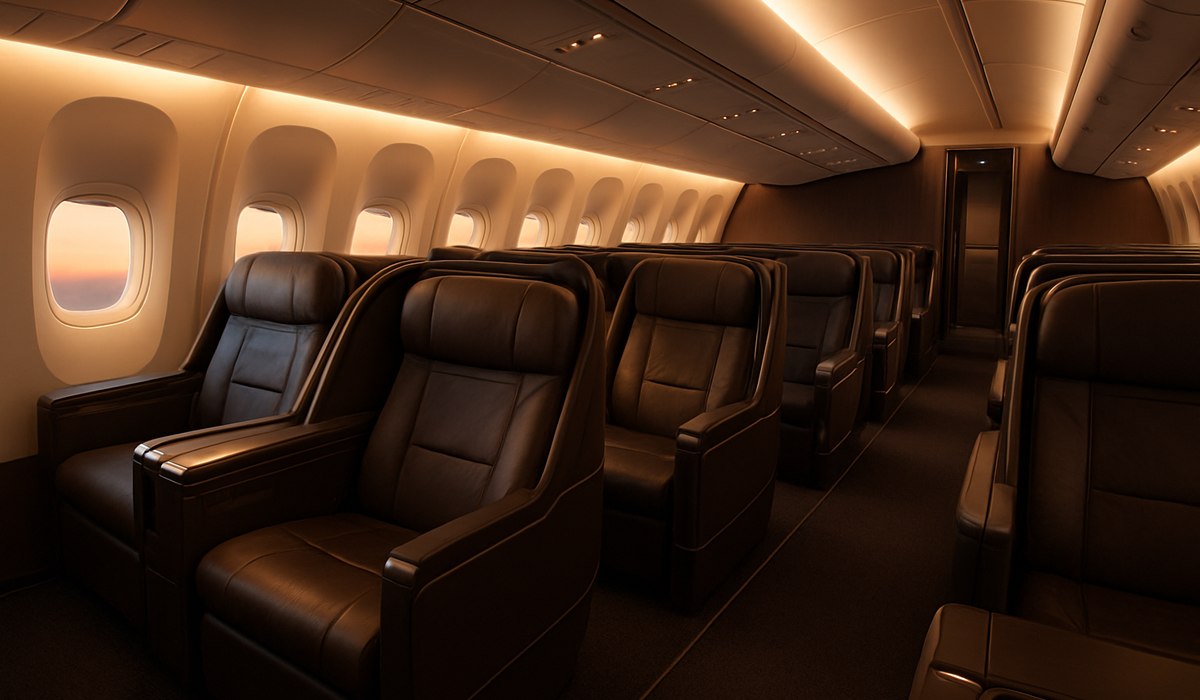
Image generated by AI
The Premium Cabin Revolution: From Corporate Stronghold to Leisure Market
Business class cabins are undergoing their most dramatic transformation in decades. Once the exclusive domain of frequent flyers and corporate road warriors, premium seating has become increasingly accessible to leisure travelers in 2026. Airlines report a notable demographic shift as corporations tighten travel budgets and vacation-focused passengers gain a larger share of business class inventory. Cabin crew members across major carriers observe firsthand how passenger profiles in the front cabin have fundamentally changed, signaling a major recalibration of the aviation industry's most profitable market segment.
The Shift Away From Corporate Dominance
For decades, business class represented a clear line separating corporate travelers from leisure passengers. Companies invested in premium seats to ensure executives arrived refreshed for high-stakes meetings and negotiations. The cabin offered quiet workspaces, superior meals, and personalized service—amenities justified by business ROI calculations rather than vacation enjoyment.
That calculus has shifted dramatically. Modern video conferencing technology, remote work adoption, and spreadsheet scrutiny of travel expenses have transformed corporate travel policies. Chief financial officers increasingly question whether premium cabin costs align with business value. Airlines report that corporate bookings in business class have declined 22-35% year-over-year across transatlantic and transpacific routes.
This vacuum has been filled by a different passenger profile: affluent leisure travelers, early retirees, and special-occasion flyers who book business class for milestone trips or use accumulated miles strategically. These passengers don't need the cabin for productivity—they want the experience, the comfort, and the status of premium air travel.
Economic Pressures Force Travel Budget Cuts
The economic environment driving this shift is multifaceted. Corporate travel budgets face unprecedented scrutiny as companies optimize operational costs. Technology investments in video conferencing platforms have reduced the necessity for in-person meetings. When travel remains essential, businesses increasingly route executives through premium economy or negotiate corporate rates in business class rather than blanket premium bookings.
Simultaneously, airlines face margin pressures from fuel costs, labor agreements, and competition. Rather than leaving business class seats empty, carriers aggressively discount premium fares to fill capacity. These lower yields—while still profitable—represent a strategic shift toward volume over exclusivity.
Airlines have responded by introducing more flexible business class products, including premium economy upgrades and dynamic pricing models. This democratization strategy fills seats but fundamentally changes the cabin's character and service delivery expectations.
Cabin Crew Observations On Changing Demographics
Flight attendants and cabin crew members provide invaluable perspective on how business class has transformed. Senior crew members who've worked premium cabins for 15+ years describe a noticeable generational shift in passenger behavior and composition.
Traditionally, business class passengers arrived in suits, conducted work throughout the flight, and expected efficiency from crew service. Current leisure business class passengers, by contrast, treat the experience as vacation preparation or reward travel. They request more social interaction with crew, prioritize entertainment options, and often travel with companions rather than solo.
Crew training departments now address different service paradigms. Rather than assuming passengers want minimal interruption for work, flight attendants adapt to mixed cabins where some passengers seek productivity support while others want relaxation and social engagement. This complexity requires more sophisticated staff training and individualized service approaches.
Senior pursers report that business class cabins now resemble diverse communities rather than homogeneous corporate enclaves. This shift requires different staffing models, catering approaches, and service protocols that many airlines are still optimizing.
What This Means For Airlines And Travelers
This transformation creates both opportunities and challenges for the aviation ecosystem. Airlines gain revenue from leisure travelers willing to pay premium fares, but at lower yields than traditional corporate contracts. Revenue management becomes more complex when mixing frequent flyer redemptions, leisure bookings, and last-minute corporate upgrades.
For travelers, the shift creates advantages and trade-offs. Leisure passengers access business class amenities at lower effective costs through promotional pricing, upgrade opportunities, and frequent flyer programs. Airlines offer more accessible premium products to capture market share.
However, service quality may decline in mixed-demographic cabins where crew balance competing needs. Some business class travelers report reduced personalization compared to historically corporate-dominated flights. Airlines implementing strategies to maintain premium service standards while expanding capacity face operational complexity.
The business class market will likely stabilize with a hybrid model: corporate travel commanding premium rates, leisure travelers accessing seats at lower yields, and frequent flyer programs distributing inventory strategically. Airlines investing in cabin technology and crew training to support this diverse clientele will maintain service leadership.
Traveler Action Checklist
If you're considering business class travel in 2026, implement these strategic steps:
- Monitor airline pricing trends on routes you fly regularly—leisure discounting may offer opportunities for better fares than corporate rates
- Leverage frequent flyer programs strategically, as business class award inventory increases with higher leisure demand
- Compare premium economy options against discounted business class fares to optimize value
- Book during corporate travel off-seasons (summer leisure periods, holiday weeks) when leisure pricing becomes competitive
- Check upgrade availability at check-in, as lower corporate occupancy increases upgrade clearance
- Verify cabin amenities before booking, as mixed-demographic cabins may offer different service levels
- Review airline loyalty program benefits tailored to leisure versus corporate travel patterns
- Track airline announcements about new business class products and promotional windows
Key Data: Business Class Market Transformation 2026
| Metric | 2024 Baseline | 2026 Current | Change | Impact |
|---|---|---|---|---|
| Corporate travel share | 67% | 42% | -25% | Revenue pressure, seat availability expansion |
| Leisure traveler bookings | 33% | 58% | +25% | Volume growth, yield compression |
| Average business class yield | $8,200 | $6,100 | -26% | Lower fares, wider market access |
| Cabin crew training hours | 120 | 180 | +50% | Service complexity, diverse passenger needs |
| Transatlantic business bookings | 4,200/week | 3,100/week | -26% | Visible shift on major corporate routes |
| Premium economy utilization | 71% | 84% | +13% | Substitution for traditional business class |
FAQ: Business Class Trends 2026
Q: Is business class becoming mainstream? A: Business class is increasingly accessible to leisure travelers, but remains premium positioning. Pricing remains significantly higher than economy, though lower than peak corporate rates. The cabin experience is becoming more democratized rather than exclusive, creating hybrid rather than mainstream positioning.
Q: Should I wait for business class sales? A: Yes. Airlines now run promotional business class fares targeting leisure travelers, particularly on off-peak routes and seasons. Monitoring airline websites and setting price alerts on flight comparison tools improves deal-finding. Frequent flyer award availability has increased with higher leisure inventory.
Q: How has service quality changed? A: Service quality depends on airline and cabin demographic mix. Airlines maintaining premium standards offer consistent excellence. Mixed cabins with diverse passenger expectations sometimes show reduced personalization. Research specific airline reputation and cabin configuration before booking.
Q: Are frequent flyer awards easier to get? A: Business class award availability has improved on many routes due to higher leisure seat inventory. Award chart devaluations remain common, but promotional redemption windows offer better value. Carrier websites and award search tools on FlightAware help identify optimal booking windows.
What This Transformation Means For Your Travel Strategy
The business class market reshaping of 2026 directly impacts leisure travelers planning premium air travel. Understanding the shift from corporate-dominated to leisure-accessible cabins helps travelers optimize value and expectations.
Savvy travelers recognize that business class no longer requires business-justified expense. Strategic
Disclaimer
This article is for informational and educational purposes only. It does not constitute legal, financial, or professional advice. While we strive to provide accurate and up-to-date information, travel policies, regulations, and conditions change rapidly. Always verify information with official sources before making travel decisions. Nomad Lawyer makes no representations about the accuracy, reliability, completeness, or suitability of the information provided. Readers should consult qualified professionals for advice specific to their circumstances. The views expressed in this article are those of the author and do not necessarily reflect the views of Nomad Lawyer.
Kunal K Choudhary
Co-Founder & Contributor
A passionate traveller and tech enthusiast. Kunal contributes to the vision and growth of Nomad Lawyer, bringing fresh perspectives and driving the community forward.
Learn more about our team →