
Bulgaria and 6 EU Nations Seek Brussels Funding as War Fears Hit Frontline Tourism in 2026
Bulgaria, Romania, and five other EU states are petitioning for targeted funding from the €2 trillion Multiannual Financial Framework to offset tourism losses caused by geopolitical instability.

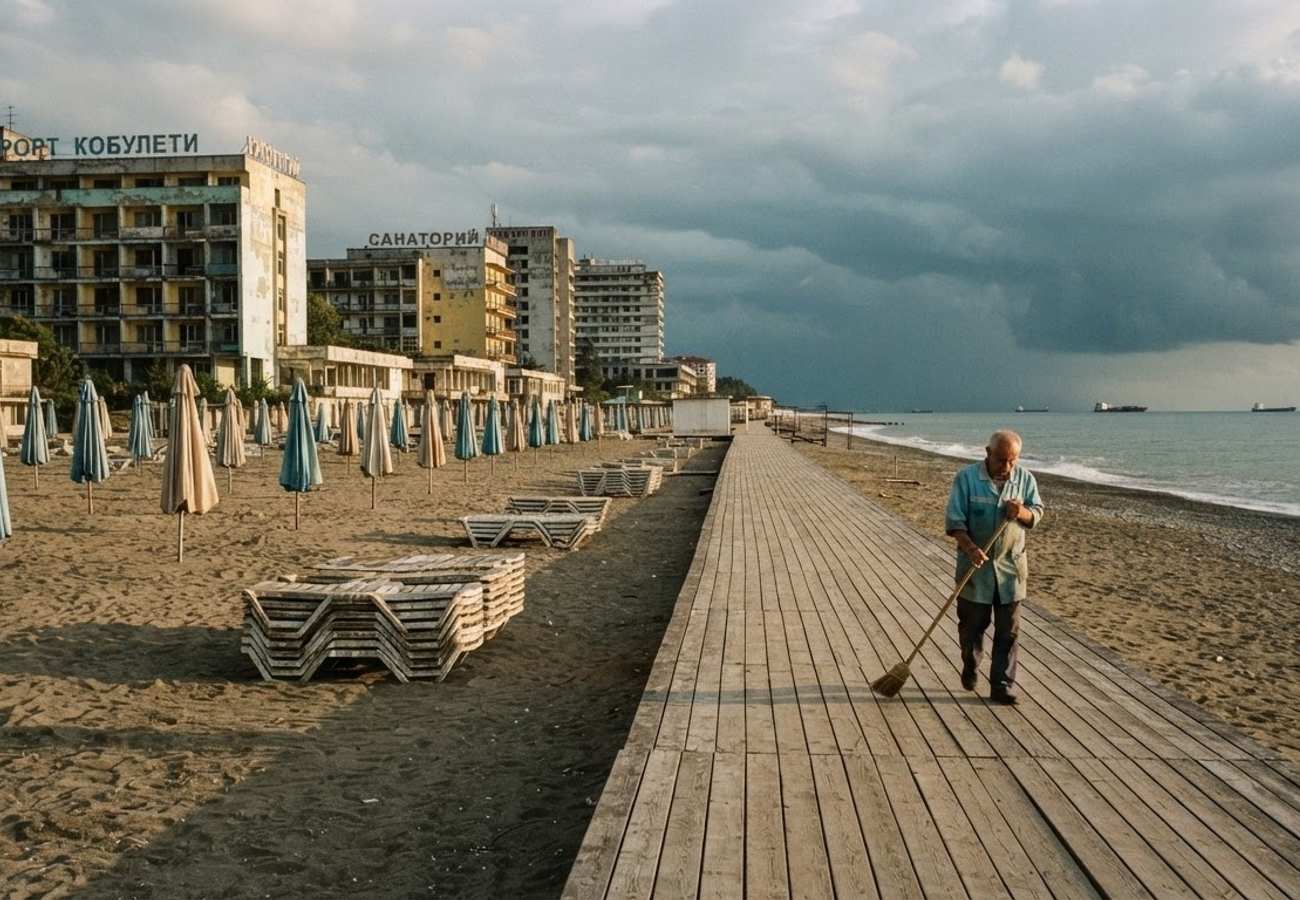
Image generated by AI
Bulgaria has joined Romania and five other EU member states in a formal request for emergency funding from Brussels to stabilize tourism sectors crippled by geopolitical instability.
The coalition of seven nations is calling for targeted financial interventions to protect small and medium-sized enterprises (SMEs), hotels, and regional operators who are facing a sharp decline in visitor confidence due to proximity to active security tensions.
The Push for Multiannual Financial Framework Support
The seven affected nations—Bulgaria, Estonia, Latvia, Lithuania, Poland, Romania, and Slovakia—are lobbying to have their specific tourism crises integrated into the EU’s proposed €2 trillion Multiannual Financial Framework for 2028–2034.
The objective is to secure a financial lifeline that covers:
- Direct support for hotels and regional SMEs.
- Critical infrastructure upgrades.
- Aggressive destination promotion to restore international confidence.
- Diversification of source markets to replace lost regional demand.
The European Commission has indicated that it will integrate the needs of eastern-border states into future funding priorities and its overarching sustainable tourism strategy.
Regional Impact Analysis: The Eastern Flank
Bulgaria and Romania: Black Sea Vulnerabilities
Bulgaria’s tourism economy, centered on Black Sea resorts and mountain destinations, is struggling with unpredictable seasonal demand. While specific 2026 decline percentages for Bulgaria were not disclosed, the government reports that tourism flows have fallen considerably.
Similarly, Romania is facing severe uncertainty. Its diverse offerings—from Bucharest and Transylvania to the Danube Delta—are being overshadowed by security concerns. For Romanian seasonal operators, the loss of peak-summer bookings creates a year-long financial deficit, as summer profits typically sustain businesses through the winter.
The Baltic States: Perception vs. Reality
Estonia and Lithuania are battling "perception problems." Despite their destinations remaining open and functional, international travelers often associate their proximity to Russia and Belarus with immediate danger.
Latvia provides the most concrete data on the economic fallout. A survey of 94 tourism and hospitality companies in the Latgale region revealed:
- 72% of businesses reported declines in visitor numbers and turnover in June 2026 compared to June 2025.
- 20% of businesses lost at least half of their total earnings.
Latvia attributes this to drone incursions and the complete disappearance of traditional Russian and Belarusian tourist markets. In response, Latvia is attempting to pivot its marketing toward Japan, Canada, and the United States.
Poland and Slovakia: Border Economy Casualties
Poland, despite its strategic importance, is seeing its eastern border communities suffer disproportionately. While hubs like Warsaw and Kraków remain resilient, smaller regional operators are facing a wave of cancellations.
Slovakia reports similar trends along its Ukrainian border. The government argues that businesses in the High Tatras and various spa towns should not be forced to absorb losses caused by external security perceptions beyond their control.
Frontline Tourism Crisis: Detailed Breakdown
| Country | Key Tourism Pressure | Confirmed Data (2026) | Security Exposure | Primary Economic Concern |
|---|---|---|---|---|
| Bulgaria | Geopolitical uncertainty | Not specified | Black Sea / Eastern Europe | SME financing & seasonal revenue |
| Estonia | Security perceptions | Not specified | Direct border with Russia | Investor confidence & SME resilience |
| Latvia | Drone incidents; loss of RU/BY markets | 72% saw turnover drop; 20% lost $\ge$50% earnings | Russia and Belarus borders | Severe turnover losses |
| Lithuania | Proximity to Kaliningrad/Belarus | Not specified | Belarus & Russia borders | International booking perceptions |
| Poland | Heightened security perceptions | Not specified | Ukraine, Belarus, Kaliningrad | Regional cancellations & investment |
| Romania | Black Sea frontier uncertainty | Not specified | Ukraine & Black Sea | Financing for seasonal operators |
| Slovakia | Ukrainian border instability | Not specified | Direct border with Ukraine | Loss of international visitor confidence |
Why This Matters: Industry Implication
From a logistical and investment perspective, this is no longer just about "traveler nerves"—it is a systemic economic risk. For the aviation and hospitality sectors, the "frontline effect" creates a volatility gap. When a region is perceived as a risk zone, insurance premiums for operators rise and private investment freezes.
Our analysis suggests that the shift in Latvia's strategy—targeting North American and East Asian markets—is a blueprint for the region. However, this pivot is expensive. Replacing short-haul regional flights with long-haul arrivals requires different infrastructure and higher marketing spend, which is why the request for Brussels funding is a necessity rather than a preference. For the traveler, this means a likely shift in pricing models as operators move away from budget regional tourism toward higher-spending, long-haul demographics.
Industry Outlook
The immediate future of tourism in these seven nations depends on the EU's willingness to treat "security perception" as a valid economic loss. If the €2 trillion framework provides direct subsidies, we expect to see a surge in "resilience branding" campaigns.
Expect to see these nations implement more aggressive travel guarantees and insurance-backed booking incentives to lure back the hesitant mid-market traveler. If funding is denied, a wave of SME bankruptcies in the Latgale and Black Sea regions is highly probable by 2027.
The battle for the eastern flank is now being fought in the balance sheets of its hotels.
Related Travel Guides
Disclaimer
This article is for informational and educational purposes only. It does not constitute legal, financial, or professional advice. While we strive to provide accurate and up-to-date information, travel policies, regulations, and conditions change rapidly. Always verify information with official sources before making travel decisions. Nomad Lawyer makes no representations about the accuracy, reliability, completeness, or suitability of the information provided. Readers should consult qualified professionals for advice specific to their circumstances. The views expressed in this article are those of the author and do not necessarily reflect the views of Nomad Lawyer.
Preeti Gunjan
Contributor & Community Manager
A passionate traveller and community builder. Preeti helps grow the Nomad Lawyer community, fostering engagement and bringing the reader experience to life.
Learn more about our team →