
Bulgaria Ranks as EU's Top Value Travel Destination in 2026 Eurostat Price Index

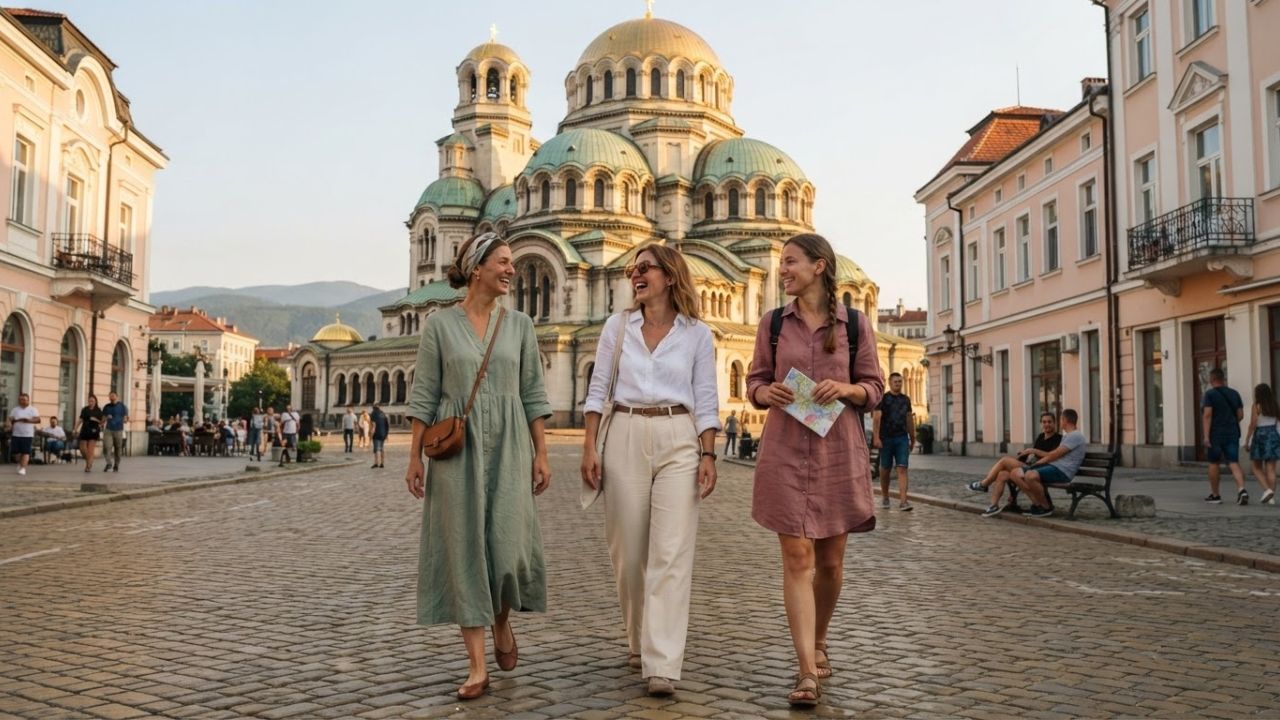
Image generated by AI
Official Eurostat pricing metrics identify Bulgaria as the European Union’s most cost-effective travel destination in 2026, leading a major regional shift from high-cost Western capitals toward affordable Eastern and Central European hubs.
SOFIA, Bulgaria — European travel patterns are undergoing a structural shift as rising accommodation and dining costs in traditional hubs like Paris, Amsterdam, Zurich, and Vienna prompt travelers to seek high-value alternatives. Anchored by official Eurostat data placing Bulgaria among the European Union’s lowest-priced countries, the Balkan nation is emerging as Europe’s premier value travel powerhouse for 2026.
The evolution reflects a fundamental change in consumer behavior, where international tourists prioritize purchasing power, authentic cultural immersion, and extended stays over high-cost landmark visiting. Alongside Bulgaria, neighboring markets in Central and Eastern Europe—including Romania, Hungary, and Poland—are capturing market share by offering historic architecture, nature reserves, and modern tourist infrastructure at lower price points.
Eurostat Data Identifies Bulgaria as Europe's Lowest-Cost Destination
Statistical indices published by Eurostat consistently rank Bulgaria at the bottom of the European Union's price level index for hotel, catering, and consumer goods. This structural price advantage positions the country as an ideal destination for budget-conscious travelers seeking comprehensive European itineraries.
Bulgaria’s tourism appeal spans three distinct geographic tiers:
- Historic Urban Travel: Capital city Sofia features affordable public transport, museum access, and iconic architectural landmarks such as the Alexander Nevsky Cathedral.
- Alpine Nature & Hiking: The Rila Mountains offer high-altitude trekking trails, scenic glacial lakes, and outdoor sports at a fraction of Alpine resort costs.
- Coastal Resorts: The Black Sea shoreline delivers expansive sandy beaches and resort infrastructure suitable for summer family holidays.
This geographic diversity enables visitors to combine city breaks, mountain trekking, and beach relaxation within a single trip without overextending their travel budgets.
Eastern and Central European Value Travel Benchmark Matrix
The comparison table below details the primary value destinations across Eastern and Central Europe, highlighting key travel hubs, primary attractions, and relative affordability benchmarks:
| Destination Country | Primary Travel Hubs | Key Cultural / Natural Attractions | Eurostat Relative Price Index | Value Tourism Appeal |
|---|---|---|---|---|
| Bulgaria | Sofia, Plovdiv, Varna | Alexander Nevsky Cathedral, Rila Mountains, Black Sea Coast | EU's Lowest Price Tier | Maximum budget efficiency for multi-destination trips |
| Romania | Bucharest, Brașov, Sibiu | Transylvania castles, medieval architecture, Carpathian hiking | Significantly below EU average | Authentic slow travel & affordable heritage tourism |
| Hungary | Budapest, Lake Balaton | Danube riverfront, historic thermal bathhouses, grand architecture | Competitive Central European rate | Premium European elegance at accessible daily costs |
| Poland | Kraków, Wrocław, Warsaw | Main Market Square, colourful Old Town streets, Tatra lakes | Highly competitive pricing | Modern transport infrastructure & rich urban history |
Romania Capitalizes on Heritage Tourism in Transylvania, Brașov, and Sibiu
Romania is rapidly cementing its standing as another key pillar of Europe’s value travel sector. While capital city Bucharest introduces visitors to modern Romanian art and history, the country's primary tourism growth is concentrated across the historic region of Transylvania.
Medieval cities like Brașov and Sibiu allow travelers to explore cobblestone streets, fortified churches, and mountain scenery while avoiding the steep daily expenses common across Western European historic centers.
Furthermore, Romania’s affordable passenger rail network and low daily dining costs make it an attractive market for slow-travel enthusiasts. Visitors can extend trip durations to explore rural villages, nature reserves, and Carpathian hiking routes without encountering premium resort pricing.
Hungary Blends European Elegance with Accessible Prices in Budapest
Hungary demonstrates that affordable tourism does not require sacrificing luxury or architectural grandeur. Capital city Budapest stands as one of Central Europe's most elegant urban destinations, offering majestic imperial architecture along the Danube River at competitive price levels.
Visitors to Budapest can access world-class cultural experiences—including iconic river views, historic castle districts, and traditional thermal bathhouses—at daily costs significantly below those of neighboring capitals like Vienna or Zurich.
The country's wellness bath culture provides an internationally recognized health tourism product, drawing leisure travelers seeking high-quality spa experiences within an affordable travel framework.
Poland Leverages Modern Infrastructure in Kraków and Wrocław
Poland continues to strengthen its position as one of Europe's most reliable value destinations, combining modern transportation networks with historic urban centers. Kraków remains the nation’s flagship attraction, anchored by its UNESCO-listed Main Market Square and medieval heritage.
Simultaneously, Wrocław is gaining international popularity for its colorful Old Town market square, historic bridges, and accessible arts scene. Beyond urban centers, Poland’s southern mountain ranges and northern lake districts provide affordable alternatives for outdoor sports.
Supported by expanding low-cost airline connections and high-speed rail links, Poland allows travelers to navigate multiple regions efficiently while maintaining strict budget control.
Practical Implications for Budget-Conscious Travelers and Longer Holidays
For the international traveler, the rise of Bulgaria and its regional neighbors transforms European holiday planning. By selecting destinations with lower Eurostat price level indices, travelers can effectively double their holiday duration or upgrade accommodation standards for the same total expenditure required for a short trip to Western European capitals.
From a macro-tourism perspective, the value travel movement redistributes European visitor traffic, easing overtourism in crowded Western hotspots while channeling economic growth into Eastern and Central European communities.
As travelers increasingly prioritize financial value and authentic experiences, Bulgaria’s low-cost infrastructure establishes it as a permanent leader in Europe’s evolving travel landscape.
Traveler Planning Guide: Maximizing Vacation Value in Eastern Europe
Travelers seeking to maximize their holiday budget across Eastern and Central Europe should consider these practical strategies:
- Fly into Secondary Hubs: Utilize low-cost carriers flying directly into regional gateways like Sofia, Plovdiv, Kraków, or Sibiu.
- Travel During Shoulder Months: Visit in May, September, or October for mild weather, lower accommodation rates, and uncrowded historical sites.
- Utilize Regional Rail & Bus Networks: Take advantage of affordable passenger trains and regional coaches to travel between cities rather than booking domestic flights.
- Sample Local Cuisine: Dine at traditional local taverns (mehanas in Bulgaria) for authentic, high-quality meals at modest prices.
Related Travel Guides
Disclaimer
This article is for informational and educational purposes only. It does not constitute legal, financial, or professional advice. While we strive to provide accurate and up-to-date information, travel policies, regulations, and conditions change rapidly. Always verify information with official sources before making travel decisions. Nomad Lawyer makes no representations about the accuracy, reliability, completeness, or suitability of the information provided. Readers should consult qualified professionals for advice specific to their circumstances. The views expressed in this article are those of the author and do not necessarily reflect the views of Nomad Lawyer.
Raushan Kumar
Founder & Lead Developer
Full-stack developer with 11+ years of experience and a passionate traveller. Raushan built Nomad Lawyer from the ground up with a vision to create the best travel and law experience on the web.
Learn more about our team →