
Military Aviation in Modern Conflict: Which Aircraft Are Actually Shaping Today's Battlefields
Breaking airline news and aviation industry updates for 2026.

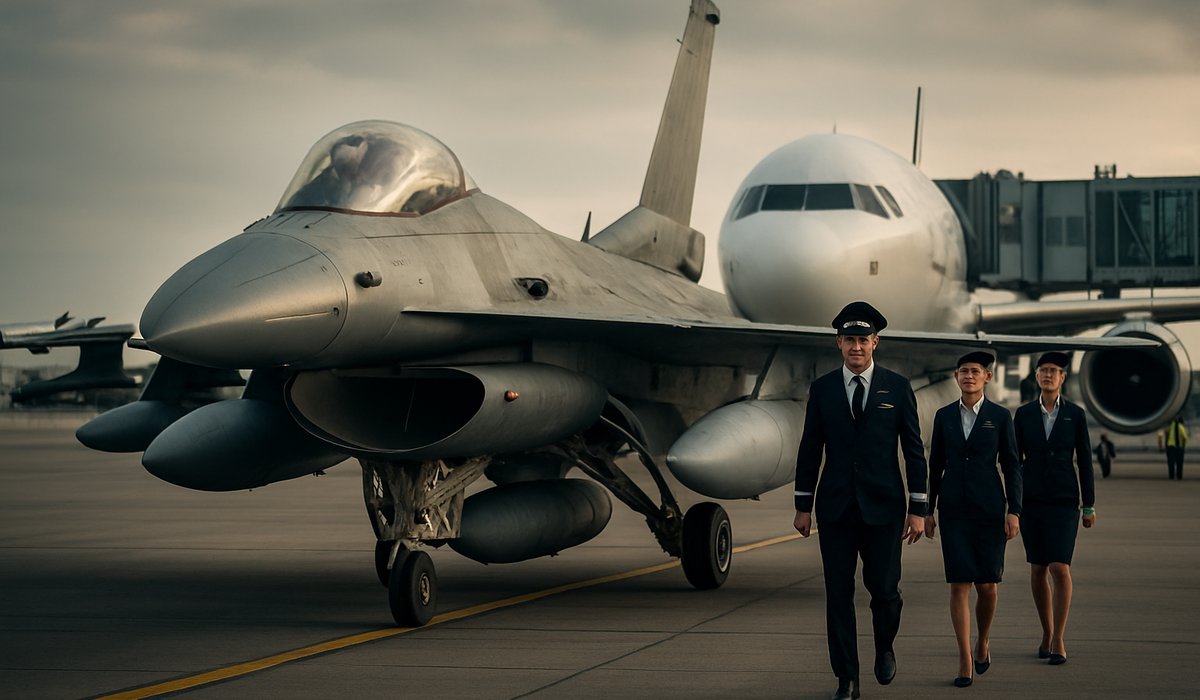
Image generated by AI
Military Aviation in Modern Conflict: Which Aircraft Are Actually Shaping Today's Battlefields
As 2026 sees unprecedented military operations across multiple theaters, analysis reveals which combat aircraft are proving decisive in real-world engagements
The Expanding Theater of Modern Warfare
The global conflict landscape in 2026 presents an unprecedented complexity, with simultaneous military operations unfolding across the Middle East, Eastern Europe, Sub-Saharan Africa, and the Asia-Pacific region. From the large-scale invasion of Ukraine to emerging confrontations in Venezuela, Mali, Myanmar, and Sudan—alongside escalating tensions surrounding Taiwan—military aviation has become central to how these conflicts develop and sustain themselves.
Yet amid the geopolitical intensity, a critical question emerges: which aircraft are actually defining these conflicts, and which remain strategically significant but secondary to current kinetic operations?
The Chinese Arsenal: Capability Without Current Dominance
China's modernized fighter fleet—including the J-20 stealth fighter, J-15 carrier-based jet, J-10 lightweight multirole aircraft, and J-16 strike fighter—represents one of the world's most advanced indigenous military aviation programs. These platforms have fundamentally altered the regional power balance and force projection capabilities across Southeast Asia.
However, despite their technical sophistication and numerical presence, these Chinese aircraft have not yet emerged as the defining platforms in today's most intense active conflicts. Instead, they function as strategic deterrents and regional balancers rather than primary participants in ongoing kinetic warfare.
The Asymmetry of Modern Combat Aviation
The reality of contemporary conflict reveals a paradox: the most technologically advanced aircraft often operate in theaters where older, proven platforms dominate actual combat operations. The platforms truly "defining" current conflicts tend to be those already deeply integrated into active war zones, flown by experienced pilots in sustained operations.
This distinction matters profoundly for defense policy, procurement decisions, and strategic planning. While next-generation capabilities provide deterrence and long-term strategic advantage, immediate military outcomes in active conflicts depend on proven aircraft, pilot experience, maintenance infrastructure, and available resources.
Strategic Implications for 2026 and Beyond
As military tensions continue escalating globally, the aviation industry and defense procurement specialists face a crucial recalibration. Investment strategies must balance advanced capability development with practical effectiveness in current operational theaters. The gap between technological sophistication and combat relevance will likely shape military planning for years ahead.
FAQ: Military Aircraft and Modern Conflicts
Which military aircraft are currently most active in global conflicts? While advanced platforms like the J-20 exist, aircraft already deployed in ongoing conflicts in Ukraine, the Middle East, and other regions are proving more operationally significant.
Are Chinese military jets involved in current combat operations? Chinese aircraft primarily serve deterrent roles in regional tensions rather than participating in active kinetic conflicts in 2026.
How do advanced fighters compare to established combat aircraft in real warfare? Proven platforms with experienced pilots and infrastructure often outperform advanced jets in active combat, despite inferior technology on paper.
What role will next-generation fighters play in future conflicts? Strategic deterrence and regional power balance remain critical, even if they're not currently defining active warfare.
How are defense budgets being allocated between proven and emerging aircraft? Nations continue balancing investments between current operational needs and next-generation capabilities for future conflicts.
Related Travel Guides
Flight Delay Compensation Guide 2026
Understanding Airline Route Changes
Airport Security Process Updated (2026)
External Resources
Disclaimer
This article is for informational and educational purposes only. It does not constitute legal, financial, or professional advice. While we strive to provide accurate and up-to-date information, travel policies, regulations, and conditions change rapidly. Always verify information with official sources before making travel decisions. Nomad Lawyer makes no representations about the accuracy, reliability, completeness, or suitability of the information provided. Readers should consult qualified professionals for advice specific to their circumstances. The views expressed in this article are those of the author and do not necessarily reflect the views of Nomad Lawyer.
Preeti Gunjan
Contributor & Community Manager
A passionate traveller and community builder. Preeti helps grow the Nomad Lawyer community, fostering engagement and bringing the reader experience to life.
Learn more about our team →