
Brazil Travel Evolution Guide 2026: Mapping 50 Destinations, Regional Spending, and Ecotourism Hubs

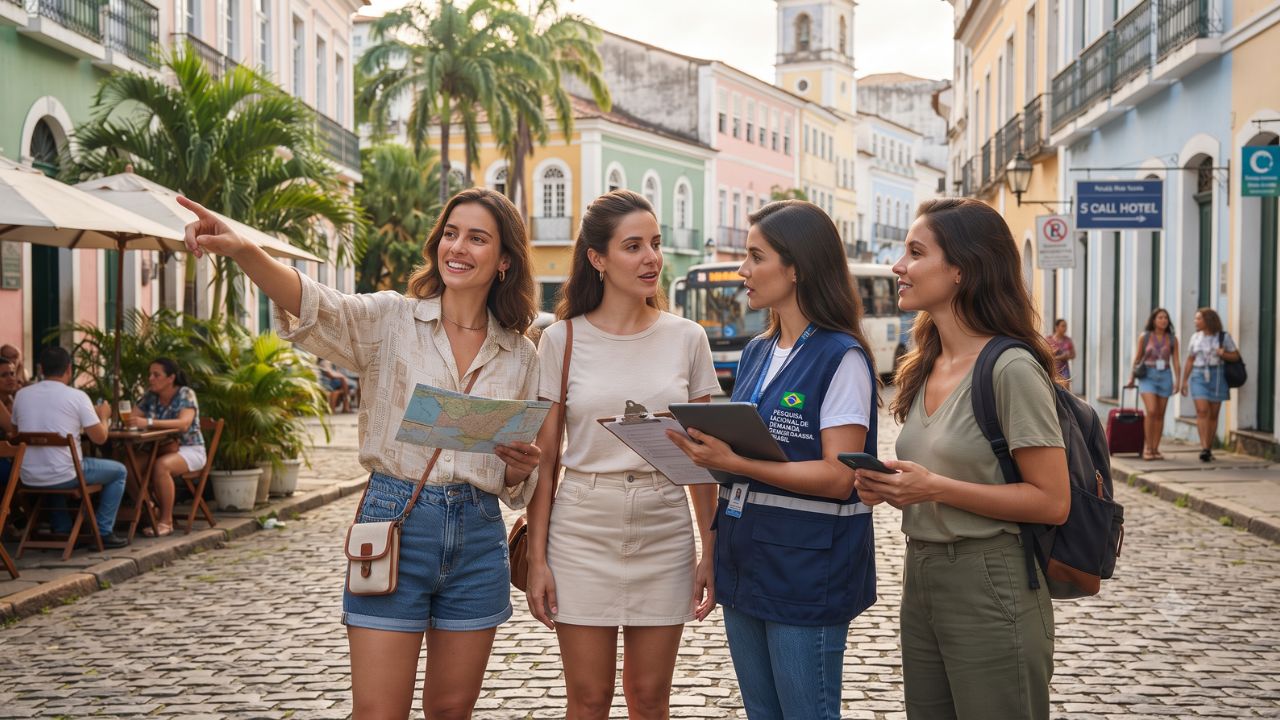
While international travel to South America’s largest nation has historically focused on the coastal postcard icons of Rio de Janeiro and Salvador, Brazil’s Ministry of Tourism has completed its first comprehensive National Tourism Demand Survey (Pesquisa Nacional de Demanda Turística – PNDT), deploying researchers to conduct 22,500 in-person interviews across 50 municipalities in all five geographic regions. Concluded on 3 October 2026, this empirical study marks a decisive shift from counting raw border arrivals to mapping how domestic and international travelers explore regional ecotourism sanctuaries, historic colonial enclaves, and inland culinary corridors.
For independent travelers, backpackers, and cultural enthusiasts exploring the continent, this nationwide research highlights a richer, highly decentralized travel network. From the wildlife-rich wetlands of the Pantanal and crystal-clear freshwater rivers of Bonito to the Afro-Brazilian rhythms of Bahia, understanding Brazil’s five distinct geographic regions enables travelers to craft deeply authentic itineraries while supporting local conservation initiatives overseen by the Ministry of Tourism (Ministério do Turismo – MTur).
Research Architecture: The Scale of the 2026 PNDT Fieldwork
The PNDT represents one of the most ambitious tourism data initiatives ever conducted in Latin America. Undertaken between 16 September and 3 October 2026, the survey gathered direct, face-to-face field interviews across 50 diverse municipalities, evaluating traveler demographics, motivation, lodging preferences, transit methods, and expenditure patterns.
The data feeds directly into the National Sustainable Tourism Observatory (Observatório Nacional do Turismo Sustentável), establishing a baseline for sustainable infrastructure investment, airline route subsidies, and local heritage preservation.
| Survey Dimension | Official Operational Parameter | Institutional Objective | Practical Impact for Travelers |
|---|---|---|---|
| Official Name | Pesquisa Nacional de Demanda Turística (PNDT) | Map real-time traveler behavior and spending | Guides national infrastructure investments |
| Fieldwork Duration | 16 September to 3 October 2026 | Direct face-to-face destination interviews | Captures ground-level visitor satisfaction |
| Interview Sample Size | Approximately 22,500 verified travelers | Comprehensive demographic cross-section | Evaluates domestic vs. international preferences |
| Geographic Coverage | 50 Municipalities across all 5 Regions | De-concentrates travel from megacities | Promotes secondary nature and cultural hubs |
| Data Repository | National Sustainable Tourism Observatory | Sustainable public tourism policy design | Expands regional transport and eco-lodging |
What Makes Brazil's Five Tourism Regions Experientially Unique
Brazil’s continental scale encompasses five geographic macro-regions, each offering distinct cultural heritage, culinary traditions, and biomes:
- The North (Amazonas & Pará): Dominated by the Amazon Basin, travelers base in Manaus or Belém to explore flooded igapó forests, stay in indigenous-run jungle lodges, and experience Amazonian gastronomy featuring açaí, pirarucu river fish, and jambu herb infusions.
- The Northeast (Bahia, Pernambuco, Ceará): The cultural heartland of Afro-Brazilian traditions. The Historic Centre of Salvador de Bahia UNESCO World Heritage Site features 17th-century Portuguese colonial baroque architecture in Pelourinho, capoeira circles in public squares, and coastal cuisine centered on palm-oil-infused moqueca baiana.
- The Southeast (São Paulo & Rio de Janeiro): The economic and cultural powerhouse, combining the dramatic coastal granite peaks and Atlantic rainforests of Rio with São Paulo’s world-renowned art museums, architecture, and international gastronomy.
- The Central-West (Mato Grosso, Mato Grosso do Sul, Goiás): South America’s premier wildlife sanctuary. The Pantanal wetlands and the limestone spring caverns of Bonito offer unparalleled snorkeling with freshwater fish, jaguar tracking safaris, and birdwatching for hyacinth macaws.
- The South (Paraná, Santa Catarina, Rio Grande do Sul): Characterized by European immigrant architecture, cool-climate Serra Gaúcha vineyards, subtropical pine forests (araucárias), and the thunderous cascading waterfalls of Iguaçu National Park.
| Geographic Macro-Region | Primary Geography & Biome | Signature Cultural & Nature Assets | Gateway Cities & Transport Hubs |
|---|---|---|---|
| North | Amazon Rainforest & River Basins | Jungle lodges, riverboats, Amazonian spices | Manaus (MAO), Belém (BEL) |
| Northeast | Tropical Coastline & Atlantic Forest | Pelourinho heritage, Olinda baroque, beaches | Salvador (SSA), Recife (REC), Fortaleza (FOR) |
| Central-West | Pantanal Wetlands & Cerrado Savannah | Jaguar safaris, Bonito freshwater springs | Cuiabá (CGB), Campo Grande (CGR), Brasília (BSB) |
| Southeast | Coastal Serra do Mar & Atlantic Megacities | Christ the Redeemer, MASP museum, nightlife | São Paulo (GRU/CGH), Rio de Janeiro (GIG/SDU) |
| South | Subtropical Plateaus, Canyons & Vineyards | Iguaçu Falls, Serra Gaúcha wine estates | Curitiba (CWB), Florianópolis (FLN), Foz (IGU) |
Visitor Insider Tips
- Book Certified Ecotourism Vouchers in Bonito: In Mato Grosso do Sul's ecotourism capital of Bonito, all river snorkeling and cave excursions (such as the Abismo Anhumas and Rio da Prata) require advance digital vouchers managed through certified municipal agencies to prevent environmental overcrowding.
- Embrace Regional Gastronomic Etiquette: In Salvador da Bahia, sample street-side acarajé (deep-fried black-eyed pea fritters stuffed with vatapá and dried shrimp) from traditional Baianas dressed in white lace. If asked whether you prefer it "quente" (hot) or "frio" (mild), understand that "quente" refers to fiery malagueta chili pepper heat.
- Utilize Domestic Air Corridors for Multi-Region Circuits: Because distances between regions exceed thousands of kilometers, book multi-city domestic flight passes through Brazilian carriers (LATAM, Gol, Azul) to link the Amazon or Pantanal with coastal hubs without doubling back to São Paulo.
- Adopt Sensible Urban Safety Habits: In major metropolitan hubs like Rio de Janeiro and Salvador, keep high-end jewelry and expensive smartphones concealed in public squares. Use authorized rideshare applications (Uber or 99) for evening transit, and carry a secondary payment card for everyday beachside coconut purchases.
Cultural and Environmental Context
According to international marketing initiatives from Embratur / Visit Brasil, sustainable tourism development focuses heavily on community empowerment and environmental stewardship. The PNDT survey provides critical empirical data to ensure that visitor growth respects fragile biomes, such as the Pantanal and the Atlantic Forest (Mata Atlântica).
Community-based tourism initiatives across the Amazon and Bahia empower indigenous quilombola and riverine communities to manage their own hospitality lodges, ensuring that tourism revenue directly finances local schools, forest monitoring patrols, and artisan cooperatives. By hiring certified local guides, honoring community traditions, and respecting wildlife observation distances, travelers help safeguard Brazil's extraordinary biodiversity and living cultural heritage.
FAQ: Exploring Brazil in 2026
What is the purpose of Brazil's National Tourism Demand Survey (PNDT)?
The PNDT is an empirical nationwide study conducted across 50 municipalities and 22,500 travelers to map real-time visitor spending, travel patterns, and destination satisfaction across all five regions.
What is the best season for wildlife viewing in the Pantanal?
The dry season from July to October is optimal for wildlife viewing, as receding waters concentrate jaguars, giant otters, caimans, and capybaras around shrinking lagoons.
Do international tourists need visas to visit Brazil?
Visa requirements vary by nationality. Many travelers (including EU and UK passport holders) enjoy 90-day visa-free entry, while select nationalities must obtain an electronic visa (e-Visa) prior to departure.
How do travelers get from Rio de Janeiro to Iguaçu Falls?
Direct commercial flights operate daily from Rio de Janeiro (GIG/SDU) to Foz do Iguaçu International Airport (IGU), taking approximately two hours.
By looking past standard postcard itineraries and exploring Brazil's regional heartlands, travelers experience an astonishing continent of biodiversity, living rhythm, and boundless warmth.
Related Travel Guides
Disclaimer
This article is for informational and educational purposes only. It does not constitute legal, financial, or professional advice. While we strive to provide accurate and up-to-date information, travel policies, regulations, and conditions change rapidly. Always verify information with official sources before making travel decisions. Nomad Lawyer makes no representations about the accuracy, reliability, completeness, or suitability of the information provided. Readers should consult qualified professionals for advice specific to their circumstances. The views expressed in this article are those of the author and do not necessarily reflect the views of Nomad Lawyer.
Raushan Kumar
Founder & Lead Developer
Full-stack developer with 11+ years of experience and a passionate traveller. Raushan built Nomad Lawyer from the ground up with a vision to create the best travel and law experience on the web.
Learn more about our team →