
LATAM, GOL, and Azul Ground Flights Triggering Widespread Brazil Flight Cancellations and Delays Across São Paulo, Rio de Janeiro, Campinas, and Belo Horizonte: New Travel Alert
Brazil faces severe travel chaos as LATAM, GOL, Azul, American, and United cancel 25 flights and delay 143 across São Paulo, Rio, Campinas, and Belo Horizonte.

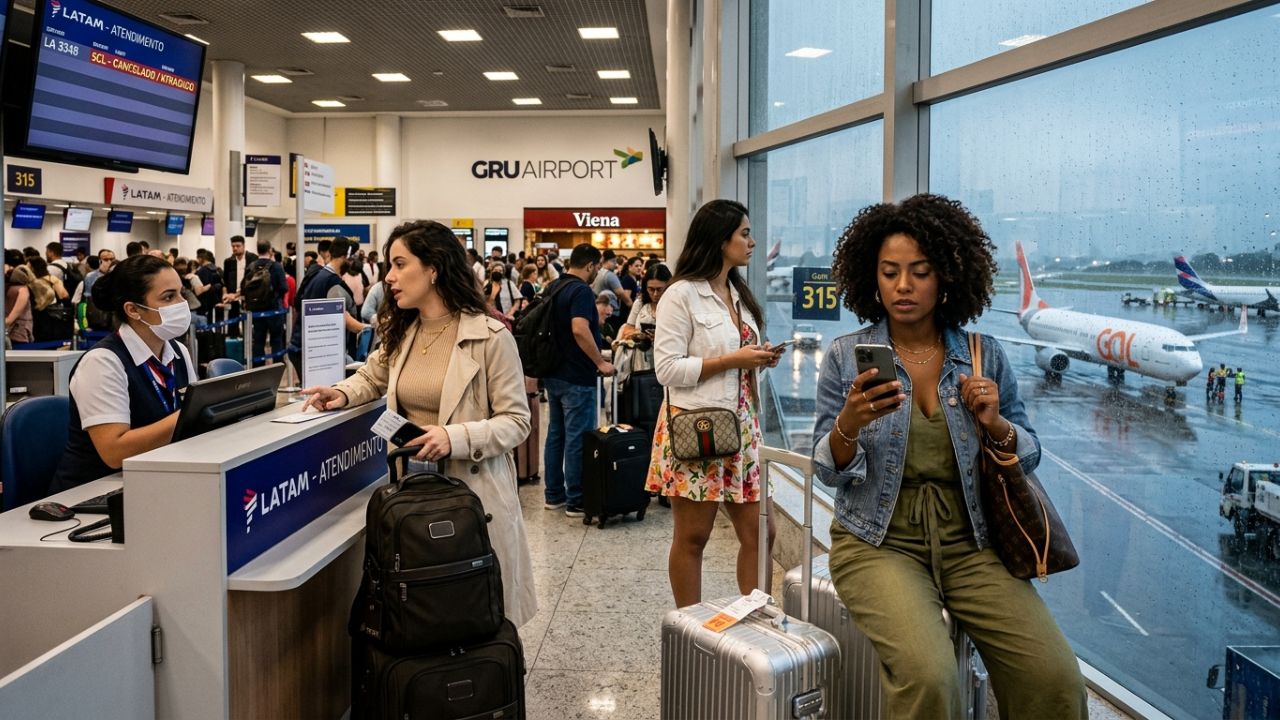
Image generated by AI
In a dramatic wave of operational instability that has swept across South America's largest aviation market, thousands of travelers have been left stranded. On May 18, 2026, leading domestic and international carriers—including LATAM Brasil, GOL Linhas Aéreas, Azul Brazilian Airlines, Azul Conecta, American Airlines, and United Airlines—suspended exactly 25 flights and triggered over 100 delays nationwide. This latest airline news update highlights the intense operational pressure on Brazil's core aviation network, causing extensive travel chaos and severe terminal congestion across major hubs in São Paulo, Rio de Janeiro, Campinas, and Belo Horizonte.
Quick Summary
- Official Alert: Brazil’s primary airports are facing severe logistics congestion due to widespread flight suspensions and delays.
- Scale of Disruptions: Exactly 25 flights cancelled and 143 delays logged by domestic and international carriers.
- Key Operators Affected: LATAM Brasil, GOL Linhas Aéreas, Azul Brazilian Airlines, Azul Conecta, American, and United.
- Primary Hubs Hit: São Paulo-Guarulhos (GRU), Belo Horizonte-Tancredo Neves (CNF), Campinas-Viracopos (VCP), and Rio de Janeiro-Galeão (GIG).
- Main Causes Cited: Carriers attribute the scheduling disruptions to sudden operational conflicts, staffing shortages, and scheduling issues.
Crucial Details of the Brazil Flight Cancellations and Delays
According to flight logging records manually sourced from FlightAware, the ongoing Brazil Flight Cancellations and Delays have concentrated pressure on the country's primary travel hubs. These include São Paulo-Guarulhos International Airport (GRU) in São Paulo, Tancredo Neves International Airport (CNF) in Belo Horizonte, Viracopos International Airport (VCP) in Campinas, and Rio de Janeiro/Galeão International Airport (GIG) in Rio de Janeiro. Because these facilities process the highest volume of business and leisure passenger traffic in the country, even localized scheduling conflicts quickly ripple across the national transit network, causing crowded passenger gates and luggage logjams.
Operational logs show a significant concentration of flight suspensions across multiple carriers. At São Paulo-Guarulhos (GRU), LATAM Brasil cancelled 5 flights and delayed 67 others, while GOL Linhas Aéreas logged 1 cancellation and 40 delays, and American Airlines recorded 1 cancellation. In Belo Horizonte (CNF), Azul Brazilian Airlines cancelled 7 flights and delayed 4, while its regional subsidiary Azul Conecta reported 1 cancellation and 1 delay. At Campinas (VCP), Azul Brazilian Airlines registered 4 cancellations and 22 delays, with Azul Conecta recording 2 cancellations. In Rio de Janeiro (GIG), Azul Brazilian Airlines recorded 2 cancellations, GOL Linhas Aéreas registered 1 cancellation and 9 delays, and United Airlines logged 1 cancellation.
Airport Disruption Matrix and Airline Breakdown across Brazil
The extensive schedule groundings have severely impacted diverse traveler groups across Brazil's key commercial regions:
- Guarulhos International Congestion: As the country's main gateway, GRU is dealing with massive terminal queues, with LATAM and GOL accounting for 107 delayed flights, impacting transcontinental connections.
- Tancredo Neves Regional Backlog: Azul’s 8 cancellations at CNF have stranded regional commuters across Minas Gerais, causing extended terminal wait times.
- Viracopos Operations Strain: The 6 cancellations and 22 delays by Azul and Azul Conecta at VCP have disrupted cargo networks and business travel in the state of São Paulo.
- Galeão Tourism Disruptions: Cancellations from Azul, GOL, and United at GIG have impacted international vacationers in Rio de Janeiro, leaving passengers scrambling for alternative flights.
What Aviation Authorities and Carrier Networks Are Reporting
Brazilian civil aviation representatives and airline dispatch teams are actively working to manage the terminal backlogs. Carriers attribute the sudden flight groundings to a combination of unexpected operational issues, staffing shortages, and complex scheduling conflicts. Station managers are deploying additional customer service personnel to airport check-in desks, while reservation offices are working to rebook stranded passengers on subsequent domestic departures.
Passenger rights organizations in Brazil are also reminding travelers of their local legal protections under ANAC (National Civil Aviation Agency) regulations. Under ANAC Resolution 400, airlines operating within Brazil are legally obligated to provide affected passengers with comprehensive assistance depending on their wait times. This includes communication support after 1 hour, meal vouchers after 2 hours, and hotel accommodations with round-trip transfers after 4 hours, in addition to options for full rebooking or monetary refunds.
Actionable Survival Guide for Stranded Passengers
If your travel itinerary is affected by flight groundings or severe delays in Brazil, travel safety experts recommend taking the following steps:
- Monitor Official Digital Portals: Frequently check your email, text notifications, and carrier-specific mobile applications for automated flight alerts or rebooking notices.
- Verify Status via Airport Portals: Visit the airline's website directly to cross-reference real-time schedule modifications and track terminal updates.
- Contact Customer Service Promptly: Reach out to the airline’s customer desk at the terminal, call the phone hotline, or use online chat portals to bypass physical service queues.
- Understand Your ANAC Rights: Familiarize yourself with ANAC Resolution 400 guidelines regarding airline-provided meals, communication, and lodging during extended delays.
- Explore Alternative Transit Networks: Check for alternative flights on competing carriers, or consider long-distance intercity bus networks to reach your destination.
Broader Context of Brazil's Vulnerable Aviation Infrastructure
The primary airports of São Paulo, Rio de Janeiro, Campinas, and Belo Horizonte serve as the backbone of South American aviation, processing millions of passengers annually. Because these hubs handle tight flight rotations, operational friction at one gateway can quickly trigger cascading scheduling issues across the country. STAFFING shortages and localized aircraft maintenance issues can easily overwhelm domestic carriers, demonstrating the fragility of the country's tightly scheduled air routes.
The simultaneous groundings by LATAM, GOL, Azul, American, and United highlight the interconnected nature of modern air travel. While large airlines maintain regional reserves to absorb isolated disruptions, a concentration of operational issues across multiple carriers can quickly overwhelm airport infrastructure, turning minor delays into broad travel challenges that require days to resolve.
Looking Ahead: Operational Stabilization and Scheduling Adjustments
As airline dispatch crews and airport terminal managers coordinate to clear passenger backlogs, flight operations across Brazil are expected to slowly stabilize over the next 48 hours. Carriers are actively working to reschedule the 25 suspended flights and return delayed aircraft to their regular rotations. Travelers are strongly urged to remain patient, check their flight status before heading to the terminal, and carry essential travel documents in their hand luggage to ensure a organized and safe journey across Brazil.
Conclusion
Navigating widespread flight cancellations at major South American hubs requires active preparation, flexibility, and a thorough understanding of passenger rights. By leveraging mobile tracking tools, contacting carrier support desks, and understanding ANAC safety guidelines, travelers can effectively manage unexpected scheduling issues. Remaining vigilant and prepared is the ultimate key to ensuring safe and comfortable journeys through Brazil's busy aviation gateways.
FAQ: Brazil Flight Cancellations and Delays 2026
1. What caused the widespread flight cancellations in Brazil?
Airlines cited sudden operational conflicts, staffing shortages, and scheduling issues as the primary causes behind the flight groundings.
2. Which Brazilian airports are facing the highest volume of delayed flights?
São Paulo-Guarulhos International Airport logged the highest absolute delays, with LATAM Brasil reporting 67 delayed flights and GOL Linhas Aéreas reporting 40.
3. What are my passenger rights if my flight is canceled in Brazil?
Under Brazil’s ANAC Resolution 400, passengers are entitled to tiered assistance from airlines, including food vouchers, free communications, and hotel lodging during extended delays, as well as full rebooking options.
4. Can I request to be rebooked on a competing carrier's flight?
Yes. Under ANAC regulations, if your flight is canceled, you can request that the airline rebook you on the next available flight, which may include competing domestic carriers if their own flights are full.
5. How can I avoid long wait times at airport customer service desks?
Travelers should check their mobile airline applications, monitor official websites for automated notifications, and use online customer service chat portals to process rebookings quickly.
Related Travel Guides
- Germany Gripped by Travel Chaos as Air Canada, Air France, United, and Lufthansa Suspend Flights, Triggering Major Munich and Frankfurt Flight Delays: New Travel Alert
- NWS Declares Red Flag Fire Emergency Across Texas, Oklahoma, Nebraska, Kansas, Colorado, and Wyoming as Wildfires Threaten Major Road Trip Disruption: New Travel Alert
- The 10 Best Tips to Claim Passenger Rights in Brazil under ANAC, According to Reddit
Suggested Metadata
Disclaimer
This article is for informational and educational purposes only. It does not constitute legal, financial, or professional advice. While we strive to provide accurate and up-to-date information, travel policies, regulations, and conditions change rapidly. Always verify information with official sources before making travel decisions. Nomad Lawyer makes no representations about the accuracy, reliability, completeness, or suitability of the information provided. Readers should consult qualified professionals for advice specific to their circumstances. The views expressed in this article are those of the author and do not necessarily reflect the views of Nomad Lawyer.
Kunal K Choudhary
Co-Founder & Contributor
A passionate traveller and tech enthusiast. Kunal contributes to the vision and growth of Nomad Lawyer, bringing fresh perspectives and driving the community forward.
Learn more about our team →