
Brazil Launches Landmark Visa-Free Access for Chinese Travelers as Global Energy Crisis and Strait of Hormuz Tensions Redefine the New Trade Axis: How Saudi Arabia and UAE Stability Anchors Sino-Brazilian Ties Amid US-Iran Conflict
Brazil has officially implemented visa-free entry for Chinese ordinary passport holders to surmount the global energy crisis and Strait of Hormuz tensions, fortifying the New Trade Axis during the US-Iran conflict.

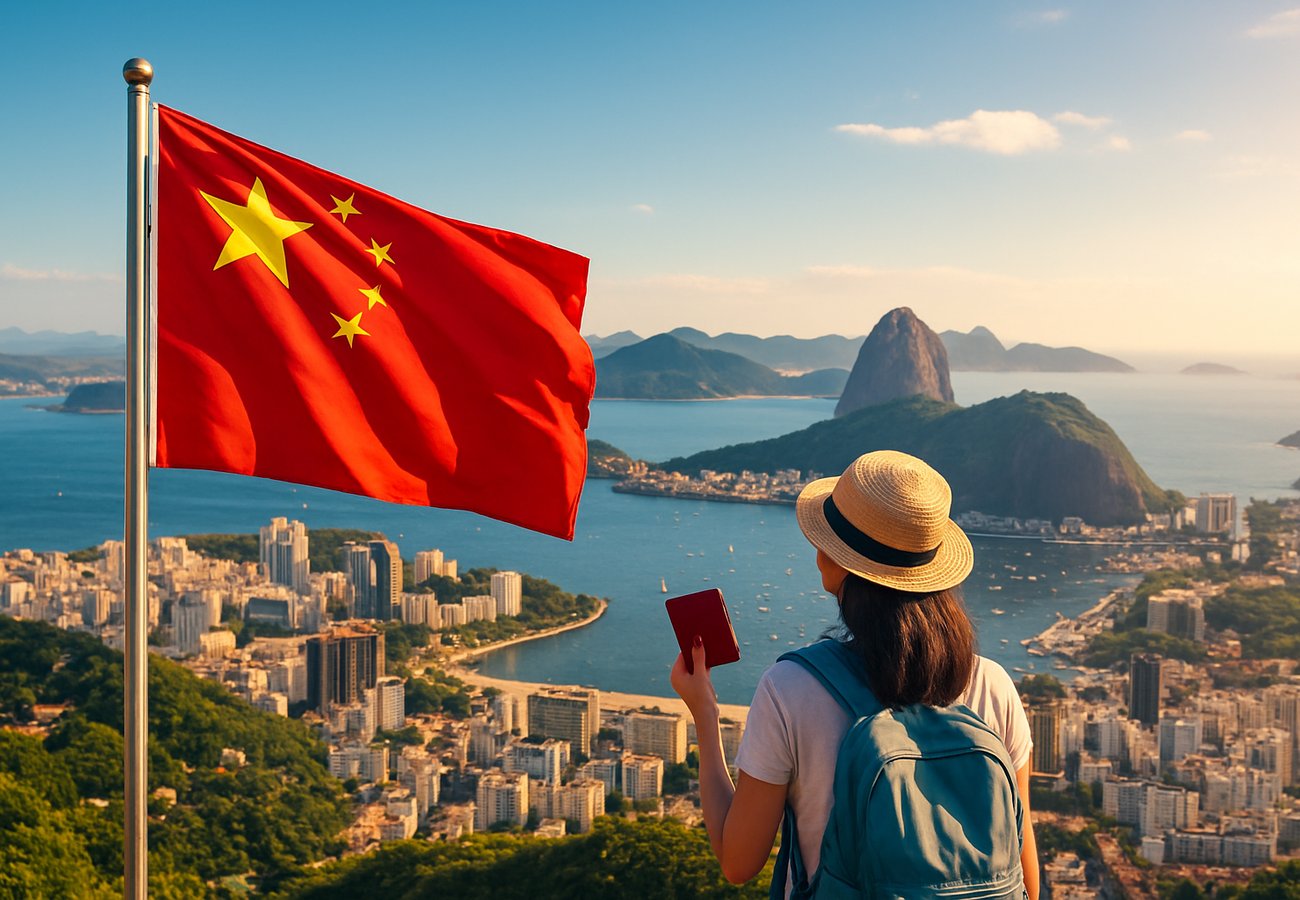
Image generated by AI
Quick Summary
- Diplomatic Milestone: Beginning May 11, 2026, the Brazilian government will grant visa-free entry to Chinese citizens holding ordinary passports, reported by Xinhua News Agency.
- Sovereign Integration: The move follows the 2024 facilitation for service passports and China’s own trial visa-free policy for Brazilians, creating a high degree of reciprocity in the Global South.
- Trade Resilience: The policy surmounts the global energy crisis precisely as Strait of Hormuz tensions and the US-Iran conflict drive maritime and aviation fuel costs to record highs.
- Gulf Anchor: Saudi Arabia, the UAE, and Qatar are facilitating the energy stability required for BRICS+ connectivity, countering the threat of maritime shipping disruptions.
- Strategic Growth: Analysts, including Tang Xiao-yang from Tsinghua University, suggest the move is a direct attempt to stimulate trade in agriculture, renewable energy, and infrastructure.
- Economic Impact: The removal of visa hurdles is expected to spark a surge in outbound Chinese travel to Brazil, contributing substantially to the local economy in Rio de Janeiro and São Paulo.
- Source: Brazilian Ministry of Foreign Affairs / Xinhua News Strategic Bulletin, May 8, 2026.
SÃO PAULO / BEIJING — In a monumental move to secure the "New Trade Axis" from the volatile "geopolitical tax" of 2026, the governments of Brazil and China have officially dismantled the last institutional barriers to movement. According to breaking reports released on May 8, 2026, Brazil will implement a landmark visa-free policy for Chinese ordinary passport holders. This development is being analyzed by senior global affairs and energy journalists as a "Global South Sanctuary" play, occurring precisely as Strait of Hormuz tensions and a severe US-Iran conflict drive oil prices to record highs, forcing the world’s most significant developing economies to surmount the risks of maritime shipping disruptions through aggressive institutional facilitation.
Expanded Overview: The "New Trade Axis" and Institutional Agility
The scale of the Sino-Brazilian partnership has reached an operational necessity in 2026, with bilateral trade surpassing historic benchmarks. By granting visa-free access, Brazil is surmounting the "Resourceful Risk" of administrative bottlenecks. This strategic move follows a successful pilot program for service passport holders in June 2024 and mirrors China’s trial visa-free policy for Brazilians (implemented June 2025 – May 2026). It signals a mature diplomatic approach where trust is established through consistent, bilateral actions, ensuring that the wealth generated by cross-border cooperation stays within the host communities.
Geopolitical Context: Surmounting the Strait of Hormuz and the BRICS+ Shield
The broader geopolitical landscape in 2026 has been dominated by the standoff in the Strait of Hormuz. As Saudi Arabia, the UAE, and Qatar work to stabilize global energy flows, the reliability of traditional "Northern" trade routes has become increasingly precarious. The US-Iran conflict has created a "choke-point anxiety" that translates into higher insurance premiums and fuel surcharges. By streamlining face-to-face business negotiation, Brazil and China are surmounting the threat of a "Logistical Blockade" through the protection of "Institutional Connectivity" flows, positioning themselves as an anchor of stability in the Global South.
Global Energy Impact: The BRICS Hedge Against Record Oil Prices
Rising oil prices have fundamentally redrawn the trade map for 2026.
- Operational Surcharge: The cost of maritime and air transport between East Asia and South America has spiked by 29% due to the global energy crisis, making "Institutional Facilitation" a vital economic hedge.
- Strategic Advantage: The Sino-Brazilian corridor is benefiting from the energy stability provided by Saudi Arabia and the UAE, which act as the primary energy anchor for the fuels required to keep the "beating heart of the Global South" moving.
Shipping and Trade Impact: The Resilience of Agriculture and Renewables
The ongoing shipping disruption in global trade routes has made the procurement of fertilizers and infrastructure components more difficult.
- Resourceful Service: Brazil and China are surmounting these delays through a focus on deep integration of supply chains, ensuring that the energy of the 2026 season is not lost to maritime bottlenecks.
- Collaborative Development: The ease of travel is a prerequisite for the joint development of renewable energy technologies and agricultural infrastructure, surmounting the logistical fatigue of 2026 through world-class stewardship.
Regional Impact: The "Reciprocal Approach" in Rio and Beijing
The synergy created by parallel policies is yielding long-term strategic advantages:
- The São Paulo Anchor: As the industrial hub of South America, São Paulo is seeing a massive surge in Chinese business visitors, surmounting the "Resourceful Risk" of the 2026 economic climate.
- The Rio Surge: Outbound Chinese travelers are prioritizing Rio de Janeiro as their primary "Safe Haven" for cultural and natural exploration, surmounting the energy crisis through high-value tourism.
- Economic Sanctuary: The initiative ensures that the Sino-Brazilian partnership remains a "stable sanctuary" for future investors, setting a precedent for international relations in the 21st century.
Industry / Expert Analysis: The Move Toward "Sovereign Integration"
Logistics and trade analysts suggest that the Brazil-China visa-free policy is a "Masterclass in Institutional Facilitation." In an era where the global energy crisis makes every international movement an investment, the move toward digital, pre-vetted entry is the only logical path. By minimizing the "Resourceful Risk" of administrative delays, the two nations are surmounting the logistical fatigue of 2026, ensuring that resources can be redirected into improving the "Nature-First" experience of the traveler and the "Efficiency-First" experience of the trader.
What Happens Next: Toward Trade Liberalization
Following the May 8 report, several key developments are anticipated:
- Policy Success: The success of the visa-free era will likely encourage further discussions on comprehensive trade liberalization and environmental cooperation.
- Infrastructure Hardening: Continued investment in "Global South" transport hubs to further surmount the Strait of Hormuz volatility.
- Global Alignment: Other BRICS+ members are expected to adopt the "Sino-Brazilian Standard" as they surmount the geopolitical tax of the 2026 season.
Conclusion: Reinforcing the Global South Anchor Amid Global Risk
The landmark visa-free access between Brazil and China is a testament to the power of "Resourceful Resilience" in a world of shipping disruptions and oil price volatility. By surmounting the challenges of the global energy crisis and the geopolitical shadow of the Strait of Hormuz, the two nations are proving that the "New Trade Axis" is the ultimate defense against global instability. As the world watches the Middle East, the message from São Paulo is clear: the borders are open, the trust is established, and the growth is strictly protected.
Key Takeaways: Brazil-China Visa-Free Era 2026
- Policy: Visa-free entry for Chinese ordinary passport holders (Starting May 11).
- Reciprocity: Mirrors China's trial visa-free policy for Brazilians (2025-2026).
- Geopolitics: Strait of Hormuz tensions and US-Iran conflict driving "Institutional Connectivity" defenses.
- Gulf Role: Saudi Arabia, UAE, and Qatar stabilizing the Global South energy anchor.
- Sectors: Agriculture, renewable energy, and infrastructure to be the primary beneficiaries.
- Outlook: Institutional facilitation as the engine for sustainable development and mutual respect.
Related Tourism News
- BRICS 2026: Why the Brazil-China Axis is the Ultimate Test of Trade Resilience
- Sino-Brazilian Tourism: How Rio and Beijing are Surmounting the Global Energy Crisis
- Gulf Energy Stability: Powering the Future of Global South Connectivity
Disclaimer
This article is for informational and educational purposes only. It does not constitute legal, financial, or professional advice. While we strive to provide accurate and up-to-date information, travel policies, regulations, and conditions change rapidly. Always verify information with official sources before making travel decisions. Nomad Lawyer makes no representations about the accuracy, reliability, completeness, or suitability of the information provided. Readers should consult qualified professionals for advice specific to their circumstances. The views expressed in this article are those of the author and do not necessarily reflect the views of Nomad Lawyer.
Kunal K Choudhary
Co-Founder & Contributor
A passionate traveller and tech enthusiast. Kunal contributes to the vision and growth of Nomad Lawyer, bringing fresh perspectives and driving the community forward.
Learn more about our team →